
IN THEORY, the higher the number of turns, greater is the torque that can be generated (and often with less heat).
When you are using a brushed motor, a lower turn motor should be equipped with a smaller pinion.
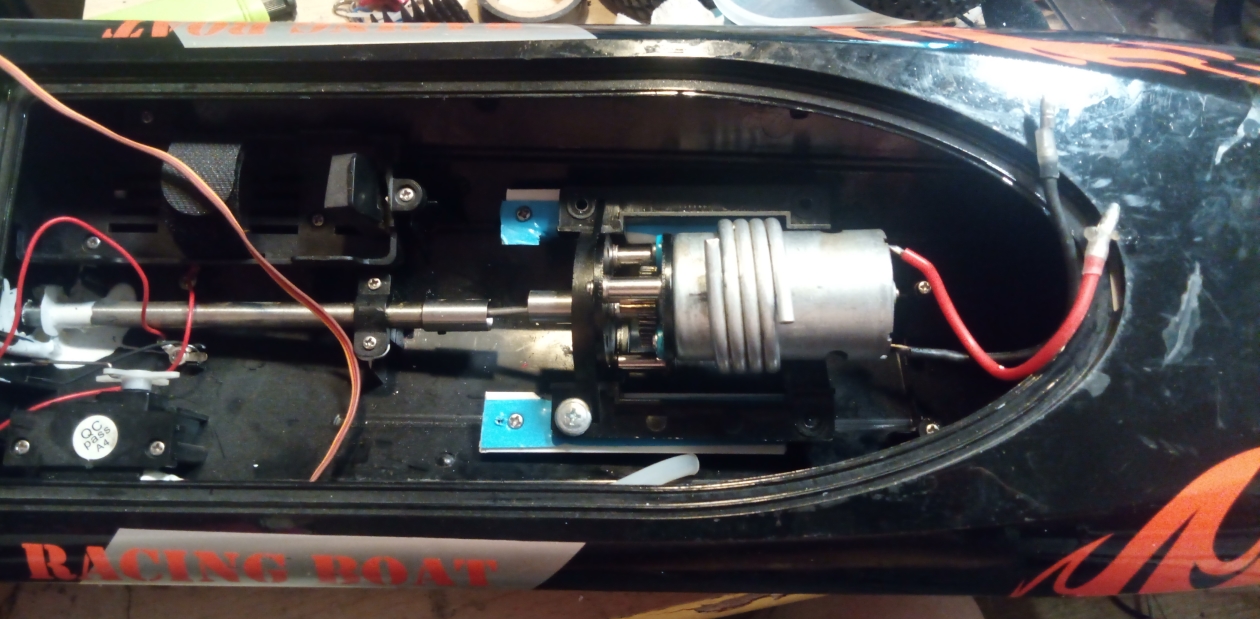
The photo shows a 23T motor with a 29T pinion. The motor failed during the first 5-minute run due to excessive heat (see what had happened to the fan blades that were supposed to be inside the motor).

In reality, the more winds you have in a motor the skinnier and longer the wire is inside the motor coil, meaning there is greater resistance and less amperage, ultimately leading to less torque.
With a relatively slow motor, if you use a 3s battery you will see the increased voltage making up for the lower amperage due to thinner wire. Efficiency and thermal wise, from a practical standpoint it would be better to use a high turn motor at a higher voltage than to use a low turn motor at a higher amperage (a low turn motor running at a higher amperage will likely get hotter).