
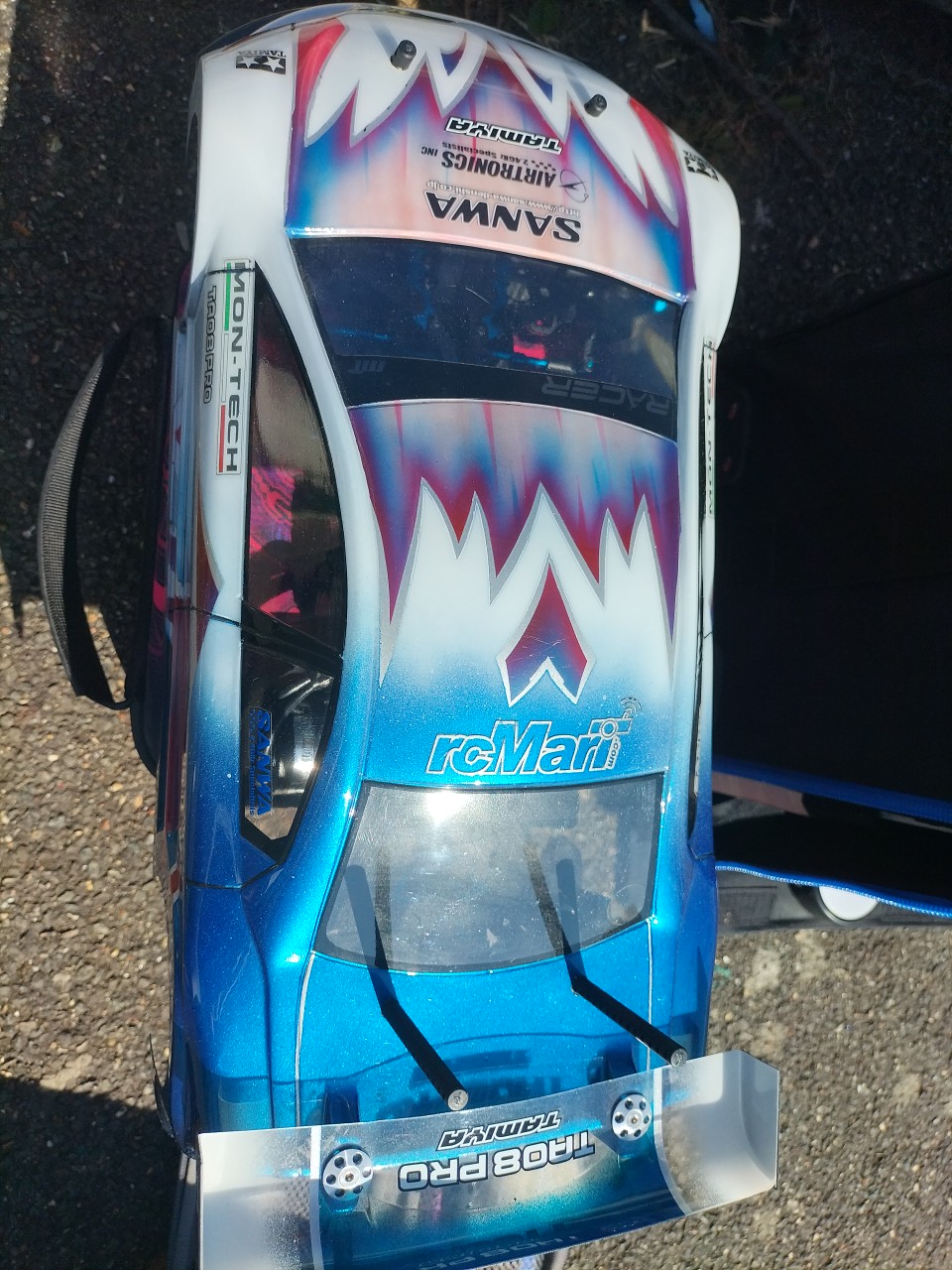
When it comes to RC cars, two brands that often come up in discussions are Xray and Tamiya. Both have their unique offerings, and as a hobbyist, understanding their differences can help in making an informed choice.
Xray is renowned for its precision engineering and high-performance models. Their cars, such as the X4 touring car, are designed with a focus on adjustability and adaptability across various racing conditions. The Xray X4, for instance, features a modular design that allows racers to fine-tune the car’s setup to suit different track surfaces and driving styles. This adaptability makes Xray cars a popular choice among racers who value the ability to customize and adjust their vehicles to achieve optimal performance.
Tamiya, on the other hand, has a rich history in the RC world, offering a wide range of models from beginner-friendly kits to more advanced racing cars. Their TT-01 chassis, for example, has been a staple for many hobbyists, especially in drifting and rallying applications. The TT-01’s bathtub chassis frame combined with the central driveshaft makes it a durable car for everyday surfaces, and its relatively light weight plastic chassis and cut-out mounting positions for the battery and motor gives it a low center of gravity. Tamiya’s recent addition of LED lights in most of their TT-01 kits adds a realistic touch, making night races more immersive.
Comparing the Two:
- Build Quality: Xray models are known for their high-quality materials and precision engineering, offering a more premium feel. Tamiya, while also producing well-built models, offers a broader range catering to both beginners and advanced hobbyists.
- Customization: Xray provides extensive options for tuning and upgrading, allowing racers to fine-tune their vehicles for optimal performance. Tamiya offers customization options as well, but the extent can vary depending on the model.
- Price Point: Xray models tend to be on the higher end of the price spectrum, reflecting their premium build and performance. Tamiya offers a wider range of prices, making it accessible for hobbyists at different levels.
- Community and Support: Both brands have strong communities and support systems. Tamiya’s long-standing presence in the RC world has cultivated a large and active community, while Xray’s focus on competitive racing has garnered a dedicated following.
As a hobbyist, the choice between Xray and Tamiya depends on your personal preferences and what you’re looking to get out of your RC experience. If you value precision engineering and are looking for a high-performance racing car with extensive customization options, Xray might be the way to go. However, if you’re seeking a brand with a rich history, a wide range of models catering to various skill levels, and a strong community, Tamiya offers a compelling choice.
Ultimately, both brands have their merits, and exploring models from each can provide a well-rounded perspective on the diverse world of RC cars.
About the vids:
The TA08 Pro performs very well out of the box on low to medium grip surfaces and is perfectly suited for club racing or light regional competition. It offers a smooth and forgiving driving experience with good traction. The X4’22, meanwhile, excels on high-grip surfaces and is built for the demands of national and international level races, where every detail matters. Its performance is razor-sharp, but that also means it rewards precise setup and driving skill.
XRay X4 22:
TA08 Pro:
When it comes to build quality, the TA08 Pro uses high-quality plastics but is clearly built with hobbyists and club racers in mind. It’s easier to assemble and forgiving to drive, which makes it appealing for less experienced users or those new to touring cars. The X4’22, on the other hand, is constructed with professional-grade materials and requires a precise and experienced hand during assembly and tuning. It’s designed for racers who are already familiar with competitive RC car setup.


