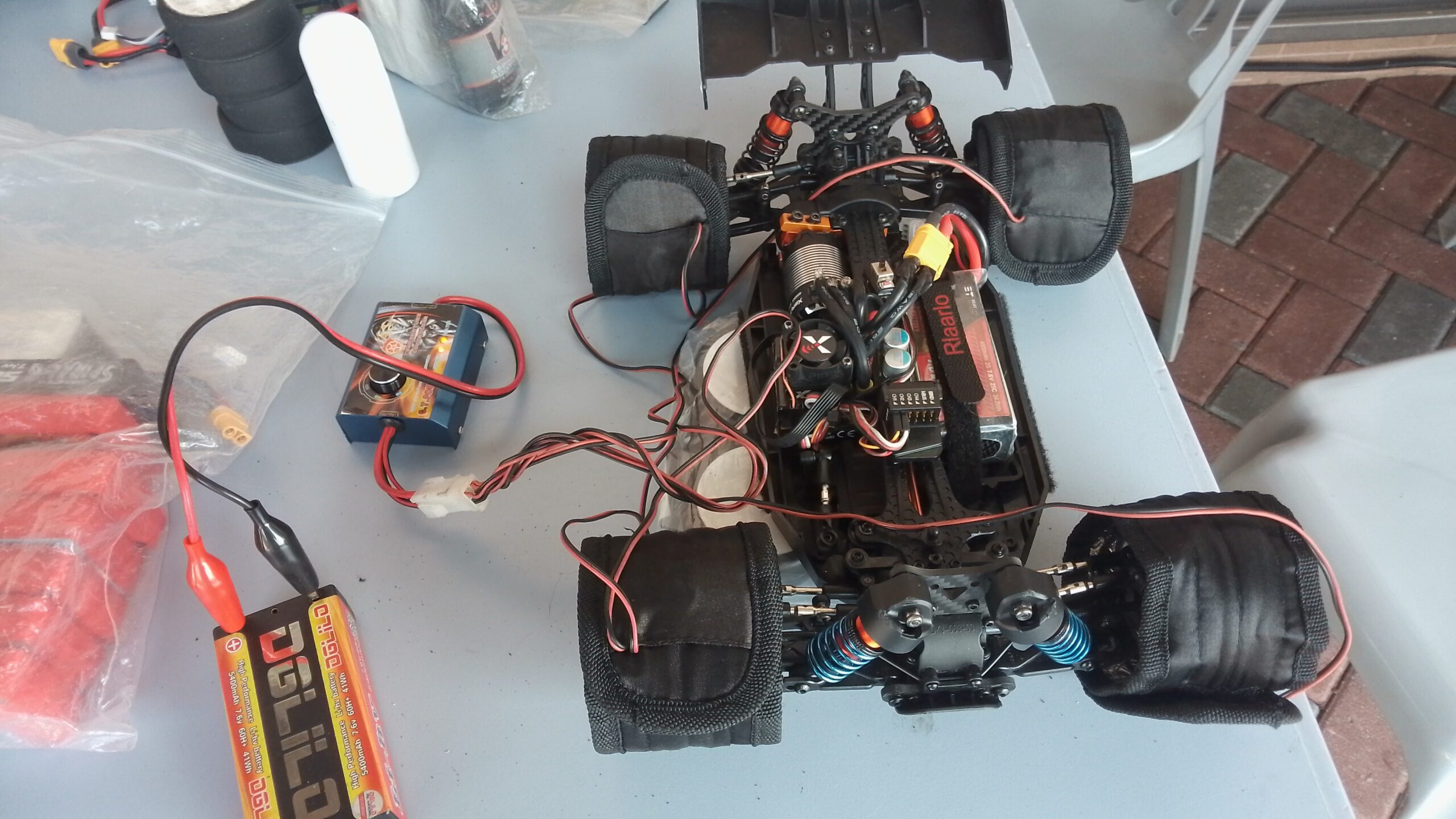

If you have ever watched competitive on-road RC racing, you have probably noticed drivers slipping their cars into what look like tiny electric blankets before a heat. Those are tire warmers, and they are one of the most underrated performance tools in the hobby.
The thing about RC tires is that when they are cold, they are about as grippy as a hockey puck on glass. But get them to the right temperature, and they transform into sticky, high-traction performance machines. Whether you are racing touring cars on carpet, F1 on asphalt, or GT on polished concrete, learning how to properly use tire warmers will shave seconds off your lap times.
Let us walk through everything you need to know, from understanding why warming matters to executing the perfect pre-race routine.
Why Bother With Tire Warmers?
Before diving into the steps, it helps to understand why warm tires matter so much in on-road RC racing. The most immediate benefit is having instant grip from the very first lap. Cold rubber is hard and rigid, like a plastic toy. When you launch with cold tires, you are fighting for traction that simply is not there. Pre-warmed tires soften the compound, allowing it to conform to the track surface’s microscopic imperfections, which means you can accelerate harder and carry more speed through corners immediately.
Without warmers, you would need to spend the first few minutes of practice or the first laps of a heat gently bringing the tires up to temperature through driving. With warmers, your tires are ready to race the moment they hit the track. This leads to consistent performance where every lap counts and you want predictable handling. Tire warmers ensure your first flying lap is as fast as your last.
There is also the practical matter of protecting your investment. RC tires are not cheap. Driving hard on cold tires can cause what racers call cold tearing, which creates uneven wear patterns that ruin expensive rubber before its time. Proper warming helps tires wear evenly and last longer, saving you money in the long run.
Choosing the Right Tire Warmer for Your Application
Not all tire warmers are created equal, and you need a system that matches your car and your needs. Size compatibility is the first consideration. You need to make sure the warmer fits your scale, whether that is 1/10, 1/8, or F1. Most quality warmers come with interchangeable heating elements for different wheel sizes, which is worth looking for if you race multiple classes.
Independent temperature control is another feature worth seeking out. Systems that let you set front and rear temperatures separately are valuable because different tire compounds often require different heat levels. You might run softer tires up front or need to adjust based on track conditions, and having that flexibility makes a real difference.
You will also need to consider your power options. You typically have two main choices. AC power from a pit supply via a DC adapter works well if you are set up at a track with electrical access. DC power from a LiPo battery is great for mobility when you are walking to the starting grid. Some of the newer models even support USB-C input, making them even more flexible for pit-side charging and heating.
Setting Up Your Power Source
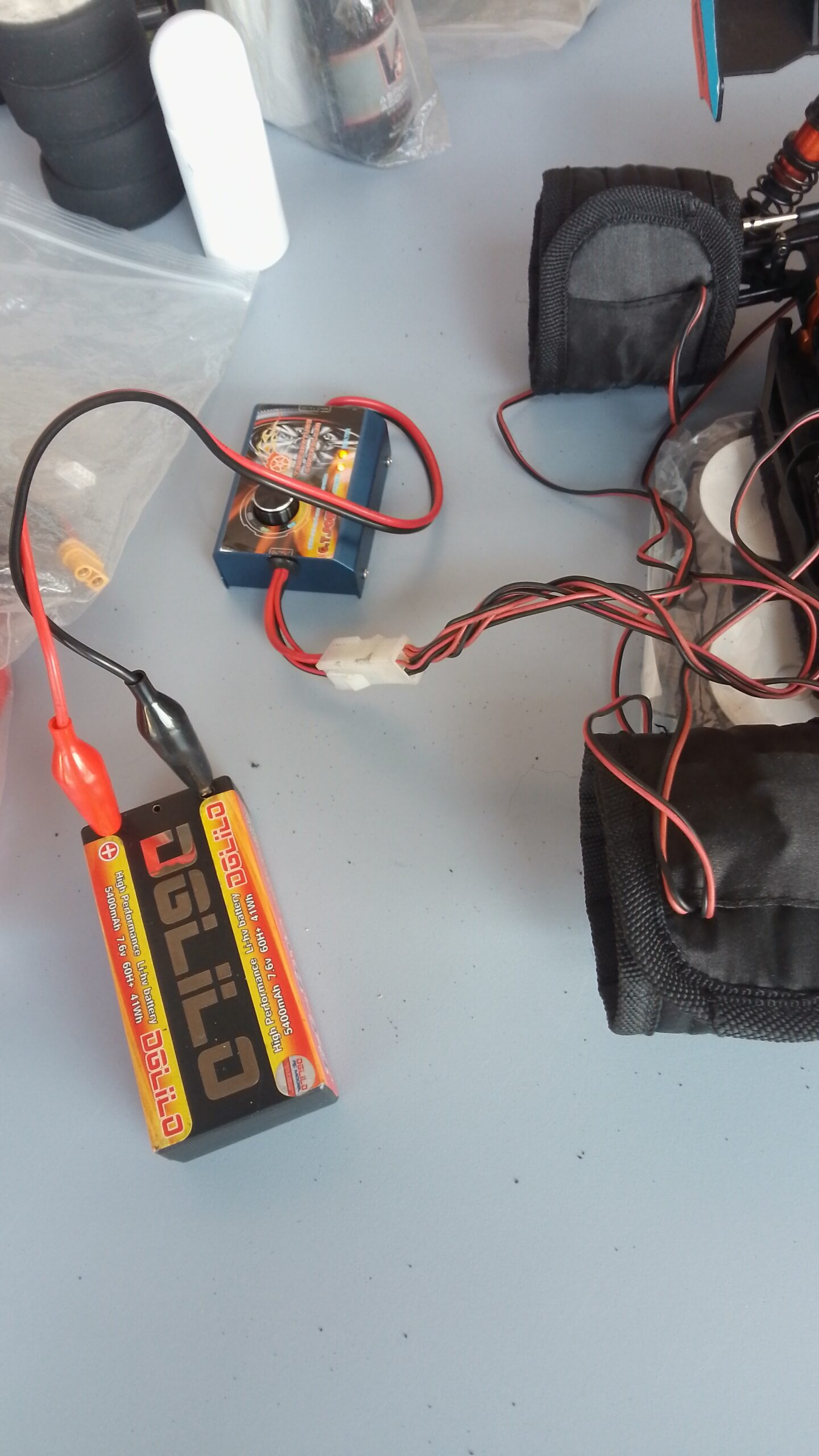
Once you have your warmer, you need to power it properly. If you are at a track with pit tables and electrical access, a twelve to eighteen volt DC power supply is the way to go, just make sure it can deliver enough current because some systems need up to eight amps to perform optimally.
For grid walks or when AC power is not available, you can run most warmers off a three or four cell LiPo pack. Many systems feature dual inputs including connectors for easy battery connection. Just be sure to check your warmer’s voltage requirements before connecting any power source. Plugging a four cell battery into a system only rated for three cell can fry your electronics.
Preparing Your Tires
This step varies depending on your track surface. If you are racing on asphalt, you might want to apply tire additive before heating. The recommended approach is to apply the additive, wait until the tires look dry-ish, then place them in the warmers with paper towels to absorb any excess. Let them heat for ten to fifteen minutes until the wheels feel thoroughly warmed through.
For carpet tracks, the process is simpler. Carpet racers typically do not use additives. You just mount your tires, make sure they are clean, and place them directly in the warmers.
Setting Your Target Temperature
This is where precision matters. Different tire compounds need different temperatures. Soft compounds generally perform best at lower temperatures around thirty-five to forty-five degrees Celsius. Medium compounds like mid-range temperatures from forty-five to sixty degrees. Hard compounds typically need higher temperatures from sixty to eighty degrees.
You should check with your tire manufacturer or experienced racers at your track for specific recommendations. The compound formulation and track surface both affect the ideal temperature, so what works at one track might not work at another.
Many quality warmers let you set front and rear separately, which is valuable because front tires often need different temperatures than rears. You might also run different compounds front to rear, which is common in some classes, and track conditions might call for staggered setups.
Positioning the Tires and Starting the Heating Process
Proper placement matters. You slide each tire into its heating element or cup, and the heating elements should make good contact with the tire surface. For systems with wraps, you want them snug but not overly tight.
Some racers use stands that suspend the car with tires free-floating in the warmers, while others simply place the warmers with tires on the pit table. Both methods work, so you can choose what fits your pit setup best.
Most tires need ten to twenty minutes to reach proper temperature. The exact time depends on your starting temperature, whether you are in a cold pit or on a warm day, the tire mass and compound, and your warmer’s power output.
Quality warmers have indicator lights or LCD screens to help you monitor progress. Red usually means heating in progress, while green indicates reaching target temperature. Newer systems even connect to smartphone apps for real-time monitoring, which can be handy for keeping track without constantly checking.
Race Day Timing and When to Heat
This is a common question for new racers. When do you turn the warmers on? For qualifiers, you want to start heating about fifteen to twenty minutes before your scheduled heat. This ensures tires are at temperature when you walk to the grid.
If there is a gap between qualifying and mains, you may need to re-heat because tires cool down faster than you might think. Some racers keep warmers powered by battery packs while walking to the starting line, which is a clever way to maintain temperature right up to the moment the race starts.
You do need to be careful about not overdoing it. Leaving tires in warmers for hours can damage them. Most controllers include safety timers that typically shut down after two to four hours to prevent overheating, which is a nice feature for peace of mind.
Removing the Warmers and Racing
When it is time, you quickly remove the warmers and place your car on the track. Those tires will be soft and sticky, ready to hook up immediately. You should notice immediate traction out of corners, consistent steering response from lap one, and none of that greasy feeling as tires gradually come up to temperature.
Common Mistakes to Avoid
There are a few pitfalls worth watching out for. Setting temperatures too high is a common one. More heat is not always better, and overheating can actually degrade tire compounds and reduce grip. Sticking to manufacturer recommendations is your safest bet.
Ignoring ambient conditions can also trip you up. On hot days, you might need less heating time. On cold days, you might need more. Adjusting based on conditions is part of the art.
Never leave warmers unattended for long periods. These are electrical devices drawing significant current, so you do not want them running overnight or while you are away from your pit. Using the wrong size warmer is another mistake to avoid because a 1/8 scale warmer will not fit 1/10 touring car tires properly, leading to uneven heating. Matching your equipment matters.
Final Thoughts
Tire warmers might seem like an expensive luxury for casual racers, but once you have experienced the consistency they provide, you will never go back. They transform your car’s handling from unpredictable to precise, and they protect your investment in expensive race rubber.
Whether you are chasing championships or just trying to move up the standings at your local club, proper tire warming is one of the easiest performance upgrades you can make. The steps are straightforward once you understand them, from choosing the right warmer and powering it correctly to setting appropriate temperatures and timing your heating right.
Now get out there and put some heat in those tires. Your lap times will thank you.