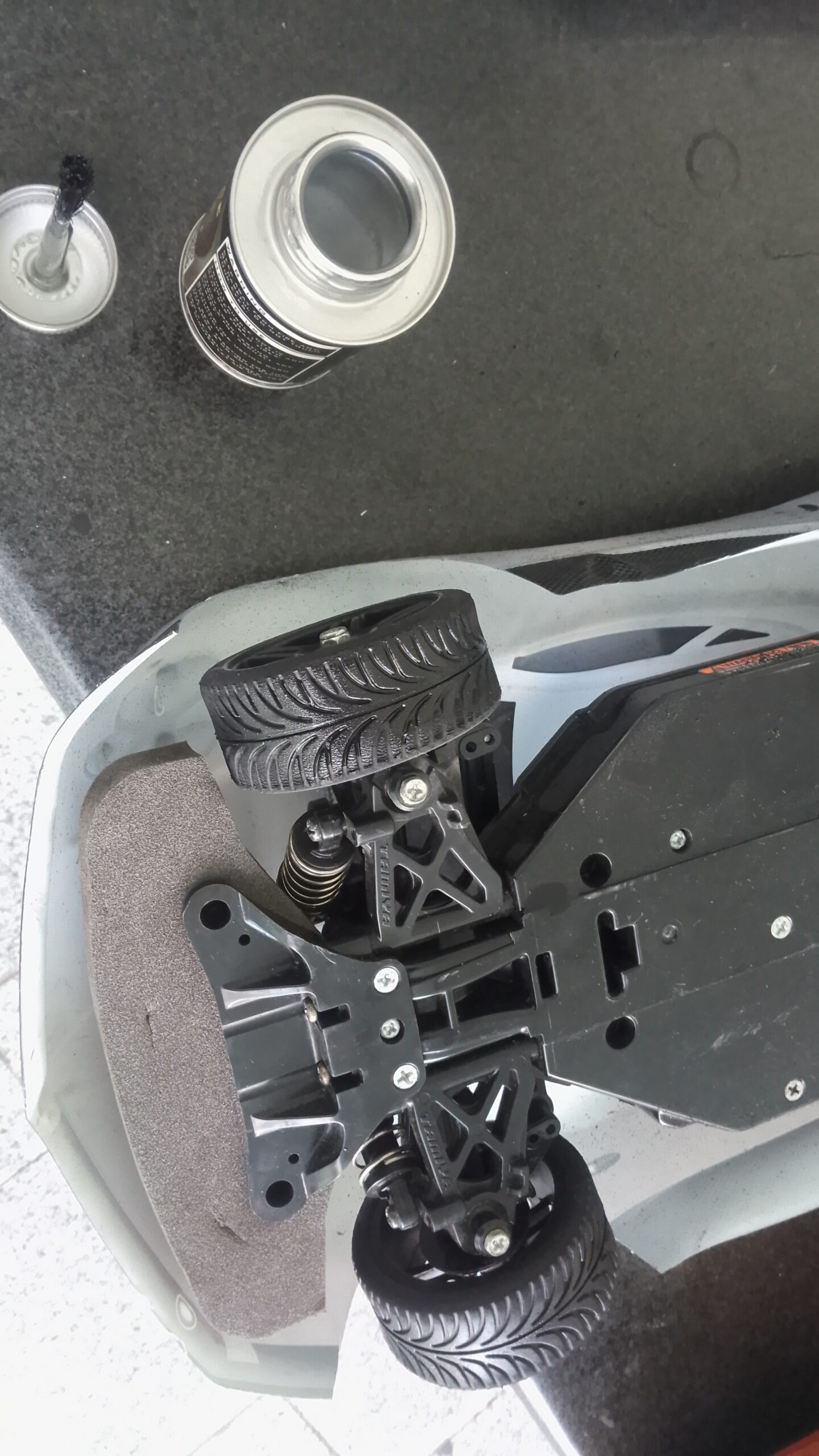

The secret to unlocking true speed in on-road RC racing often lies in a small bottle of chemical compound known as tire additive, or what many in the hobby simply call tire sauce. There is nothing more frustrating than arriving at the track with a perfectly tuned car, fresh batteries, and a confident game plan, only to find that the car simply refuses to stick through the corners. It pushes wide on entry or fishtails violently on exit, and no amount of suspension tweaking seems to fix it. While mechanical grip is the foundation of handling, there comes a point where the limits of the rubber itself become the bottleneck. This is where tire additives enter the picture, and understanding how to use them properly can mean the difference between struggling for traction and dominating the leaderboard.
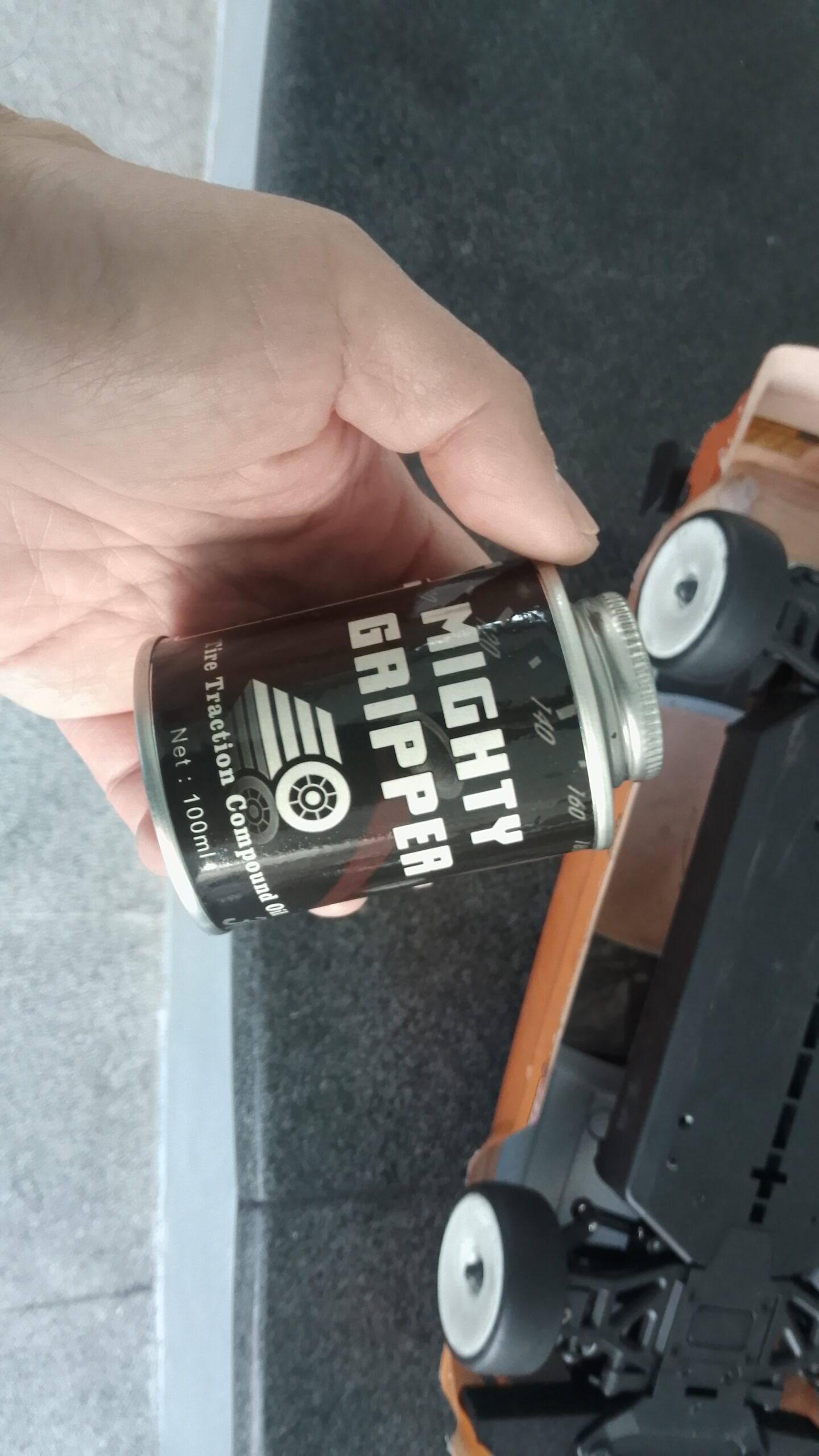
Tire sauce is not a cleaning product, nor is it intended to make the track surface itself sticky. Rather, it is a chemical solution designed to soften the outer layer of the tire compound. By increasing the rubber’s flexibility and conforming more intimately to the texture of the track surface, the coefficient of friction rises, and mechanical grip improves significantly. The rubber becomes more pliable and eager to bite into the surface, whether that surface is indoor carpet or outdoor asphalt. Different additives are formulated for different environments, with carpet-specific compounds usually being low-odor and safe for indoor club use, while asphalt formulations are designed to handle the abrasiveness of outdoor tracks and manage tire degradation more effectively. There are also distinctions between additives meant for foam tires, which are porous and absorb chemicals differently, and those meant for rubber tires, which require a different approach to penetration and softening. Knowing which bottle to reach for is the first step in the process.
Before any additive touches the tire, preparation is everything. The tires must be surgically clean, stripped of any dust, old rubber residue, or oils that might have accumulated during storage or previous running sessions. Most serious racers rely on brake cleaner or dedicated tire cleaning solutions to strip the rubber down to a bare, virgin state. Spraying the tires thoroughly and wiping them down until they are completely dry ensures that the additive will be absorbed evenly and effectively. Applying sauce over dirt or leftover residue is not only wasteful but counterproductive, as it prevents the chemical from reaching the rubber where it is actually needed.
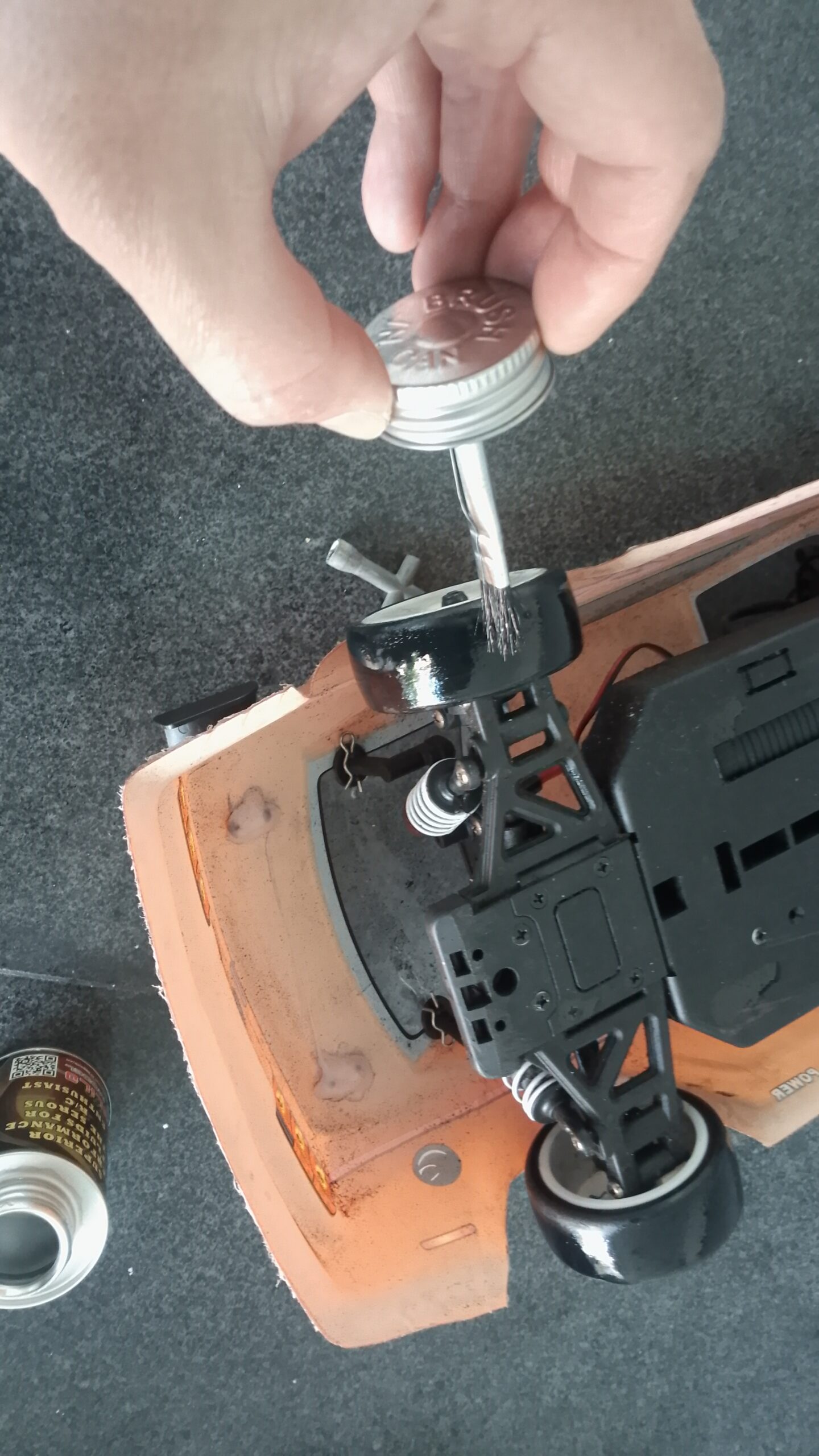
Once the tires are clean and dry, the application process begins with careful intention. It is not a matter of drenching the tire and hoping for the best. Instead, a thin and even coat should be applied to the tread surface using the applicator sponge that comes with most bottles, a refillable pen designed specifically for this purpose, or even a clean paintbrush for more precision. The strategy can vary depending on what the car needs. Some drivers apply the additive to the entire circumference of the tire for maximum straight-line grip and cornering confidence. Others take a more nuanced approach, treating only the inside edge of the front tires to encourage rotation and help the car turn in more sharply, while applying a full coat to the rear tires to ensure stability and traction on corner exit. These small adjustments can fine-tune the car’s behavior without changing suspension settings.
After application, patience becomes essential because the chemical needs time to penetrate the rubber. The standard recommendation from most manufacturers is to allow the tires to sit for ten to twenty minutes while the additive works its way into the compound. If the track or pit area is particularly cold, this soak time may need to be extended to thirty minutes to compensate for the slower chemical reaction. Conversely, on high-grip tracks where too much traction can actually cause the car to become twitchy or prone to traction rolling, a shorter soak time may be beneficial to keep the car manageable.
For those looking to take their preparation to the next level, tire warmers are an invaluable tool. Placing the treated tires into warmers while they are still wet with additive accelerates the chemical reaction and drives the softeners deeper into the rubber. Some racers apply a single coat and let the heat do the work, while others apply a second coat halfway through the warming process for maximum penetration. The target temperature typically falls in the range of one hundred ten to one hundred twenty-five degrees Fahrenheit for rubber tires, though specific recommendations vary by manufacturer. The combination of chemical softening and controlled heat creates a tire that is optimally prepared for the track surface.
Perhaps the most critical and commonly overlooked step comes just before the car hits the track. The tires must be wiped completely dry with a clean rag or microfiber cloth. Sending a car onto the track with wet tires is a guaranteed recipe for disaster because the excess liquid acts as a lubricant rather than a grip aid. The chemical has already done its job by softening the rubber from within, and any residue left on the surface will only cause the car to slide uncontrollably. A quick wipe down immediately before the qualifier or main event ensures that the tires are ready to perform at their peak.
There are pitfalls to avoid along the way. Applying too much additive does not yield better results and often leads to a mess on the wheels, the pit mat, and potentially the track surface itself. Using unapproved or mystery compounds on public tracks, especially indoor carpet facilities, can contaminate the surface for everyone and is usually against club rules. It is always wise to check what is permitted before applying anything. Additionally, failing to clean the tires after a run allows the additive to dry on the rubber repeatedly, which can eventually harden the compound and render the tires useless for future race days.
For casual club racing or practice sessions, tire additive may not be strictly necessary, and many drivers do just fine without it. But for those chasing every tenth of a second and looking to extract the full potential from their car, especially in competitive classes like 1/10 touring car or 1/12 scale, additive becomes an essential part of the setup process. The ritual of cleaning, applying, heating, and wiping transforms a standard set of tires into a weapon tailored for the track surface. It is a skill worth developing, and once mastered, it opens the door to a level of grip and confidence that mechanical setup alone cannot provide.
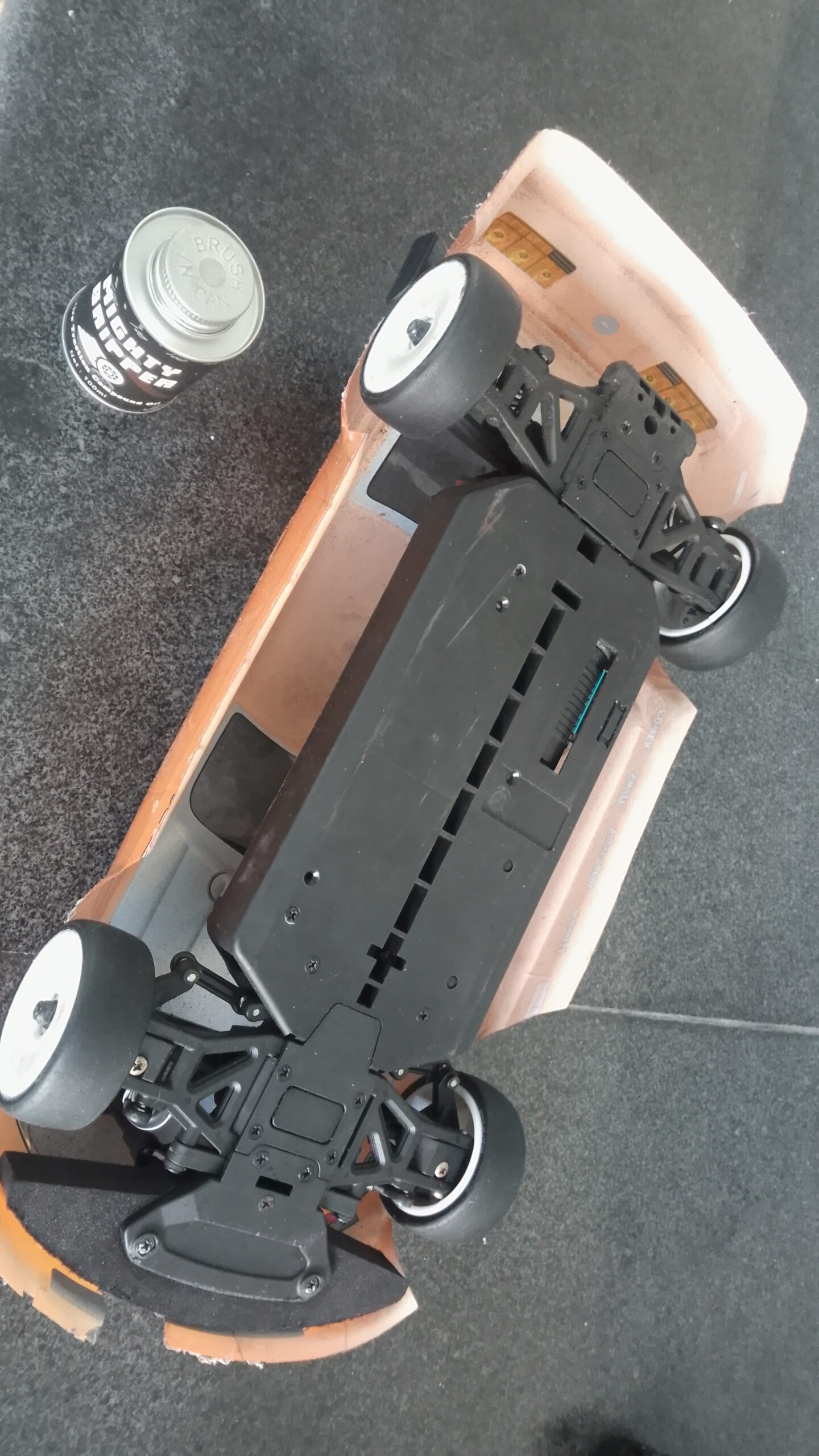
Tire sauce works on most rubber tires: