
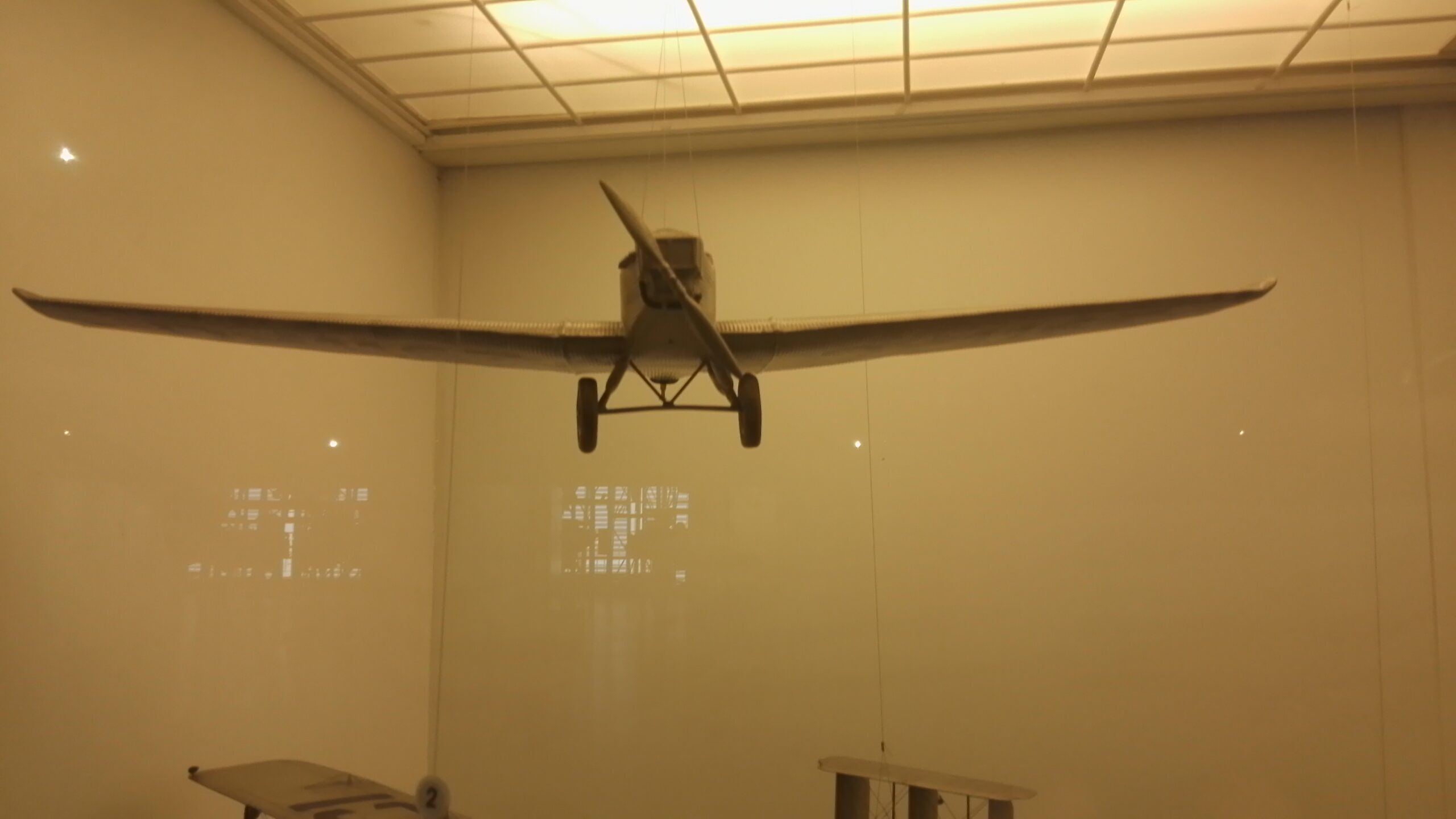
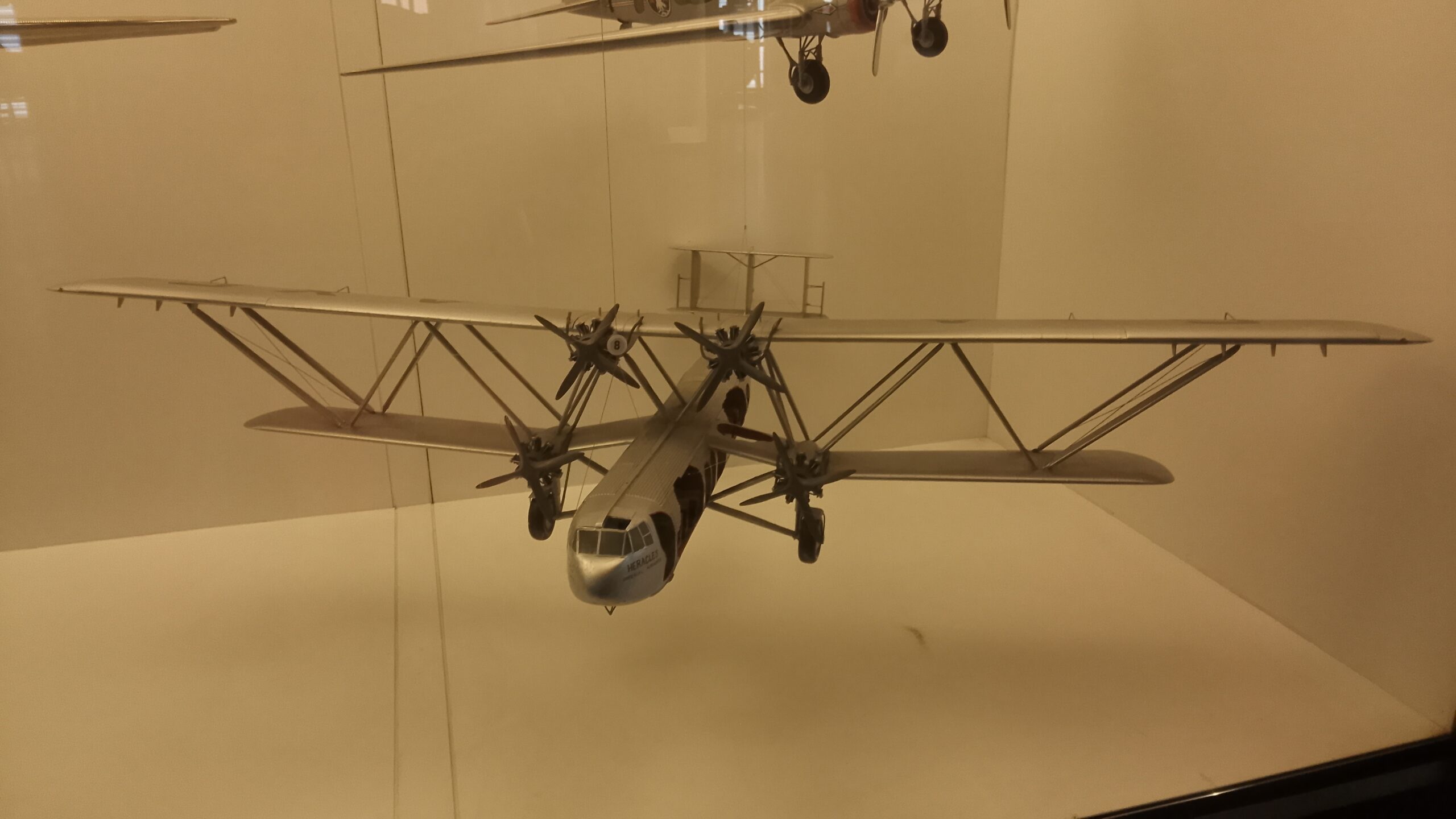
* The photos in this post show plane models of the London Science Museum.
This is a fantastic question, and it’s one that every RC pilot grapples with at some point. The jump from a single-engine plane to a multi-engine beast isn’t just about bolting on more propellers. It changes everything—how the plane flies, how you launch it, how you land it, and most importantly, what happens when something goes wrong. Let me walk you through the differences, from the simplicity of one engine all the way up to the majesty of four.
One Engine: The Reliable Workhorse
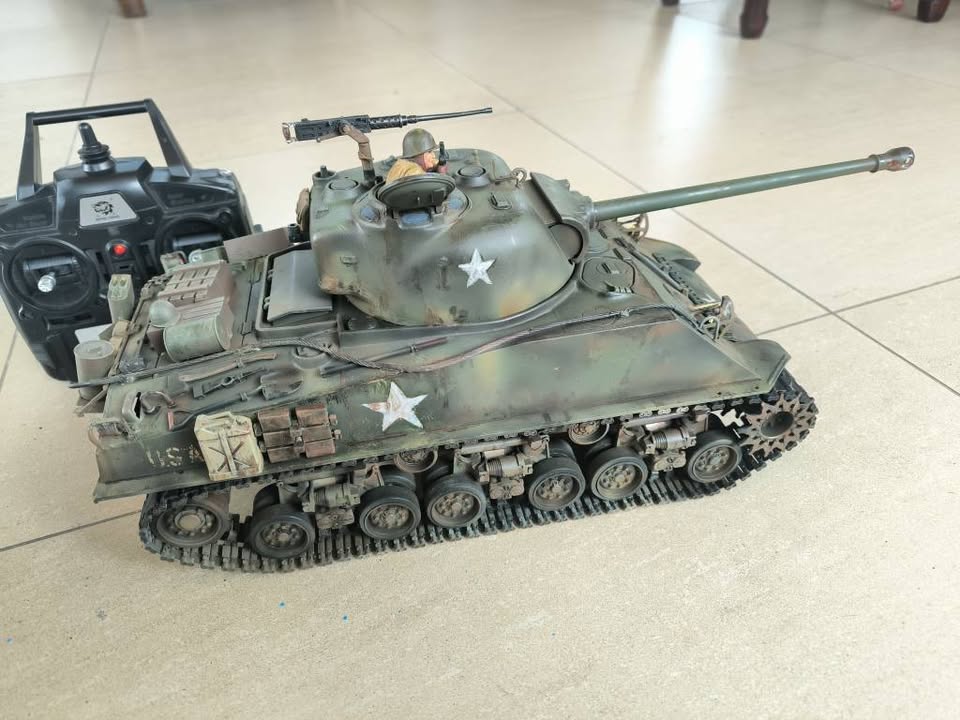
The single-engine RC plane is where almost everyone starts, and for good reason. It is the simplest, most forgiving, and most efficient configuration you can fly. With one engine mounted on the nose, the thrust line runs straight down the center of the fuselage. That means when you punch the throttle, the plane pulls forward in a straight line with no weird handling quirks. Torque roll—the tendency of the plane to twist opposite the propeller spin—is present but manageable, usually corrected with a bit of right rudder on takeoff.
If your single engine quits, you have a glider. It is not a fun glider, and you will be nervous, but you can dead-stick land it if you keep your cool. Weight is low, cost is low, maintenance is simple, and you can fit the whole thing in your car without disassembling a wing. The downside is power redundancy: if that one engine fails, you are coming down. There is no backup.
Two Engines: The Twin That Demands Respect
Moving to twin engines is the single biggest step up in difficulty. On paper, two engines sound great: twice the power, better climb performance, and the cool factor of a B-25 or P-38 lookalike. But here is the dirty secret of twin-engine RC flying. When one engine fails, the plane does not simply fly on one engine. It tries to kill you.
The problem is asymmetric thrust. If your left engine quits, the right engine is still pulling at full power, but it is pulling from a point out on the wing. That creates a violent yaw toward the dead engine. If you do not react instantly—and I mean within a second—the plane will snap into a spin that is nearly impossible to recover from at low altitude. The solution is to immediately reduce power on the live engine, apply full rudder away from the dead engine, and pray you have enough altitude to stabilize. This is why experienced twin pilots practice engine-out drills constantly.
That said, a properly set up twin is a joy to fly. The sound of two engines in sync is glorious. The plane tracks straighter in the air due to the distributed thrust. And you have genuine redundancy if you are high enough to handle a failure. But twins are heavier, more expensive, and require careful matching of engine speeds. If your two engines are not perfectly synchronized, the plane will yaw constantly, wearing out your rudder thumb. Electric twins have an advantage here because brushless motors can be electronically synchronized far more easily than glow or gas engines.

Three Engines: The Rare Bird
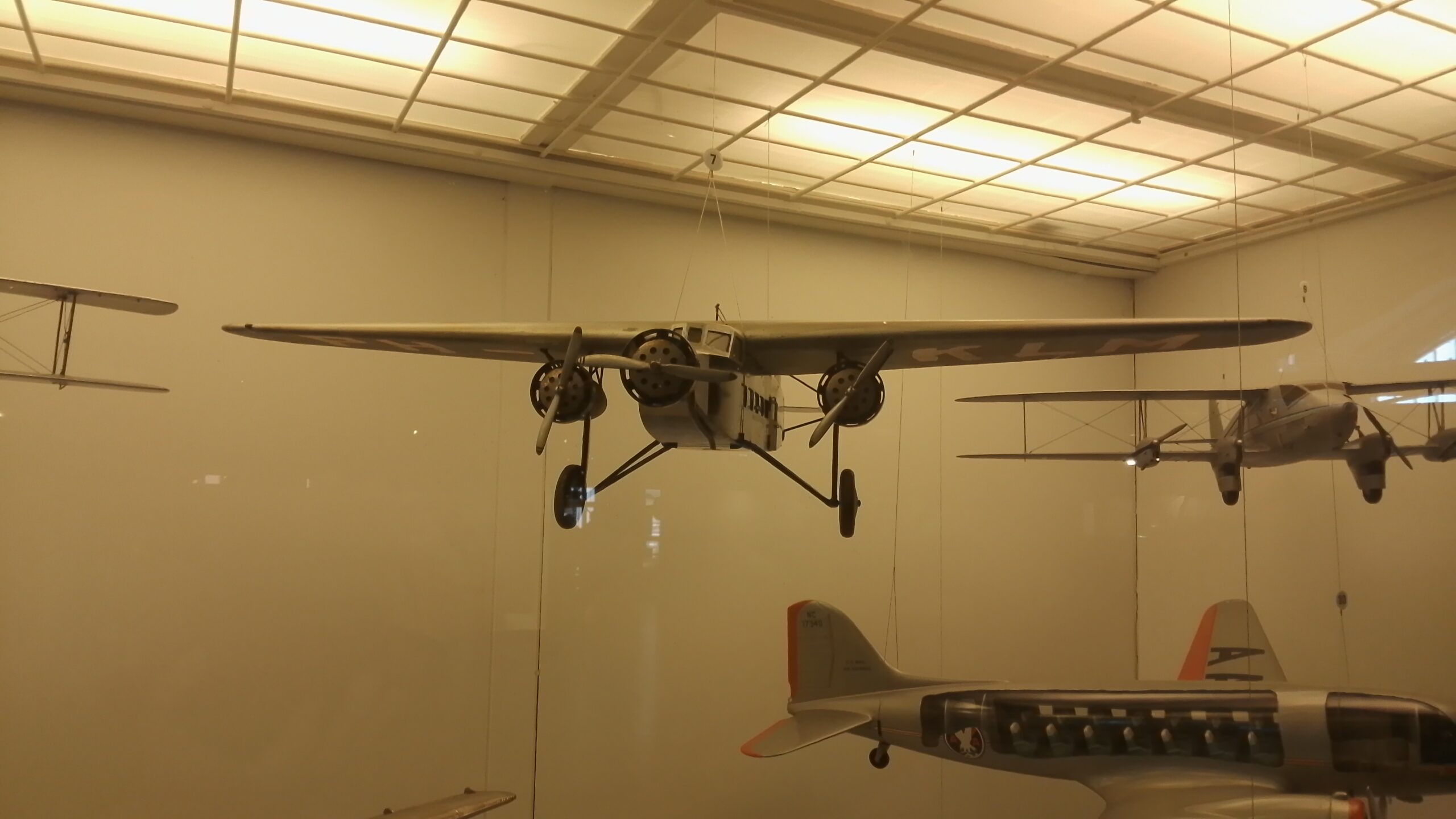
Three-engine RC planes are almost nonexistent, and there is a reason for that. Historically, real aircraft used three engines for specific reasons: the Boeing 727 needed the third engine at the tail for climb performance out of hot-and-high airports, and the Ford Trimotor used three because its engines were underpowered. In the RC world, three engines means one engine on the centerline (like a single) plus one on each wing. The center engine pulls straight, while the wing engines introduce the same asymmetric thrust risks as a twin.
The problem is complexity. You now have three engines to start, three to tune, three to synchronize, and three to fail. If one wing engine dies, you have the same violent yaw as a twin. If the center engine dies, you essentially become a twin with asymmetric thrust anyway. There is no scenario where three engines are better than two or four. They exist only for scale fidelity—someone building a Ford Trimator or a Boeing 727 wants it to look right on the flyby. For everyone else, three engines are a party trick.
Four Engines: The Heavy Lifter
Four engines are the domain of the big bombers: the B-17, the Lancaster, the B-24, and the modern C-130. In RC, a four-engine plane is a statement. It says, “I have a lot of money, a lot of patience, and a very large car.” The sheer presence of a four-engine RC model on a flyby is unforgettable. The sound of four motors humming in harmony is like a choir of angry bees, and the crowd will stop to watch.
From a flight dynamics perspective, four engines are actually more forgiving than twins in one specific way. If you lose an outboard engine (the one farthest from the fuselage), the asymmetric thrust is severe because that engine has a long lever arm to the centerline. But if you lose an inboard engine (the one closer to the fuselage), the yaw is milder than a twin because the remaining outboard engine on that wing still pulls, but the moment arm is shorter. More importantly, with four engines, you have three left. That is genuine redundancy. You can lose one engine and still fly controllably if you manage throttle correctly.
The downsides are brutal. Four engines mean four times the vibration, four times the fuel or battery consumption, and four times the pre-flight checks. Starting a four-engine gas plane is a ritual: you start number three, then number four, then number two, then number one, constantly checking temperatures and sync. Electric makes this easier, but you still need four separate electronic speed controllers and a massive battery pack. Weight is enormous, so your landing gear must be robust, and your wing loading is high, meaning stall speed is higher. Landing a four-engine RC plane is not a gentle affair—it is a commitment.
The Cheat Sheet
Here is the simple truth of it. One engine is for learning, for sport flying, and for anyone who just wants to relax. Two engines are for the pilot who wants a challenge, loves the sound, and has practiced engine-out drills until they are muscle memory. Three engines are for the scale purist who absolutely must have that Ford Trimotor look and accepts the absurdity. Four engines are for the showman, the bomber fanatic, and anyone who has ever looked at a B-17 and thought, “I want to hear that.”
If you are new to multi-engine RC, start with an electric twin. Electric motors are far more reliable than glow or gas, and you can set up differential throttle mixing on your radio to help counteract asymmetric thrust automatically. Some modern RC transmitters even have an “engine-out assist” mode that reduces power on the live engine when it detects a yaw. Use it. Your plane will thank you.
And remember this rule above all others: altitude is insurance. When you fly multi-engine, fly high enough that if something fails, you have time to react. The ground is very hard, and asymmetrical thrust is very unforgiving.