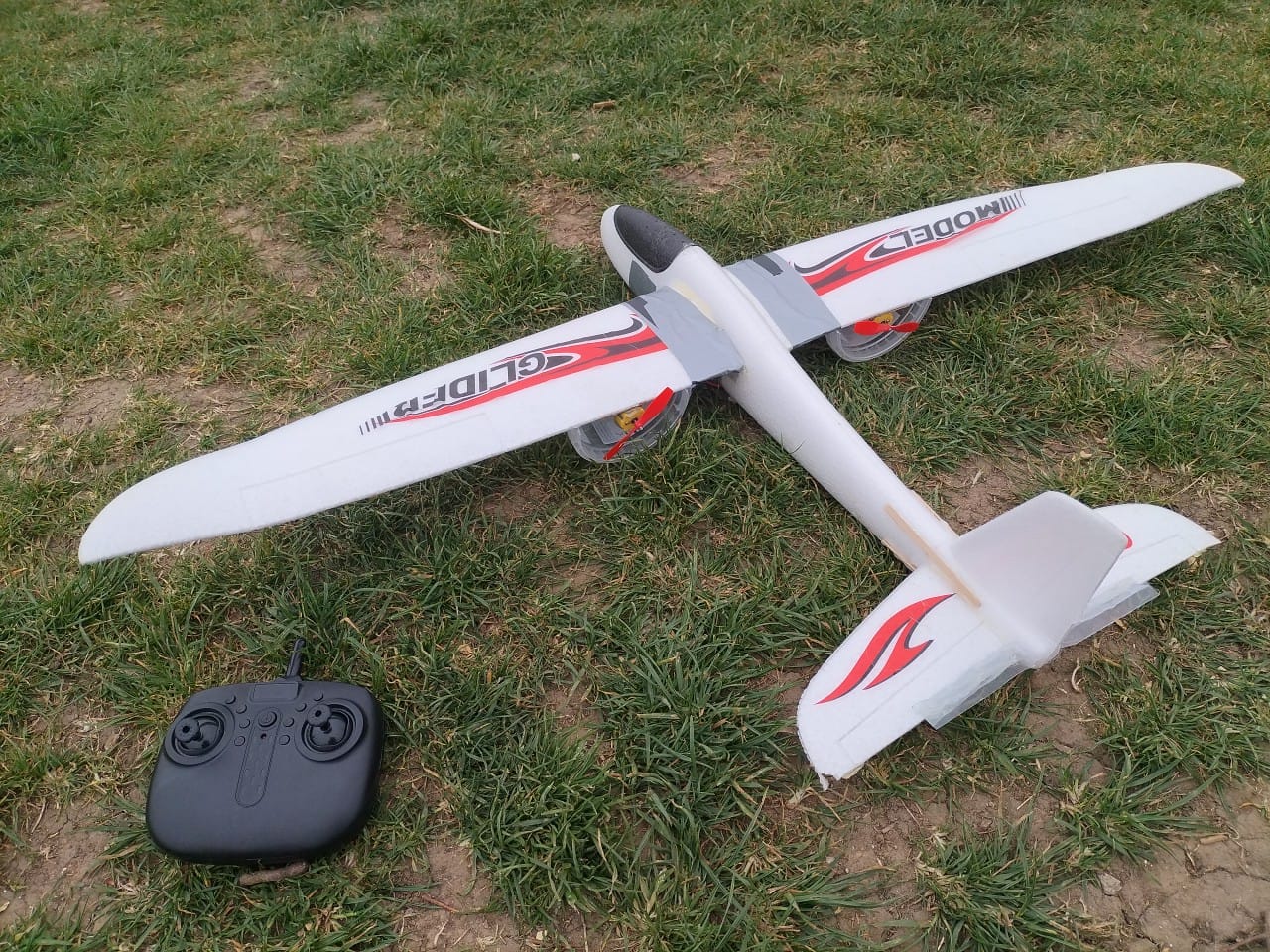
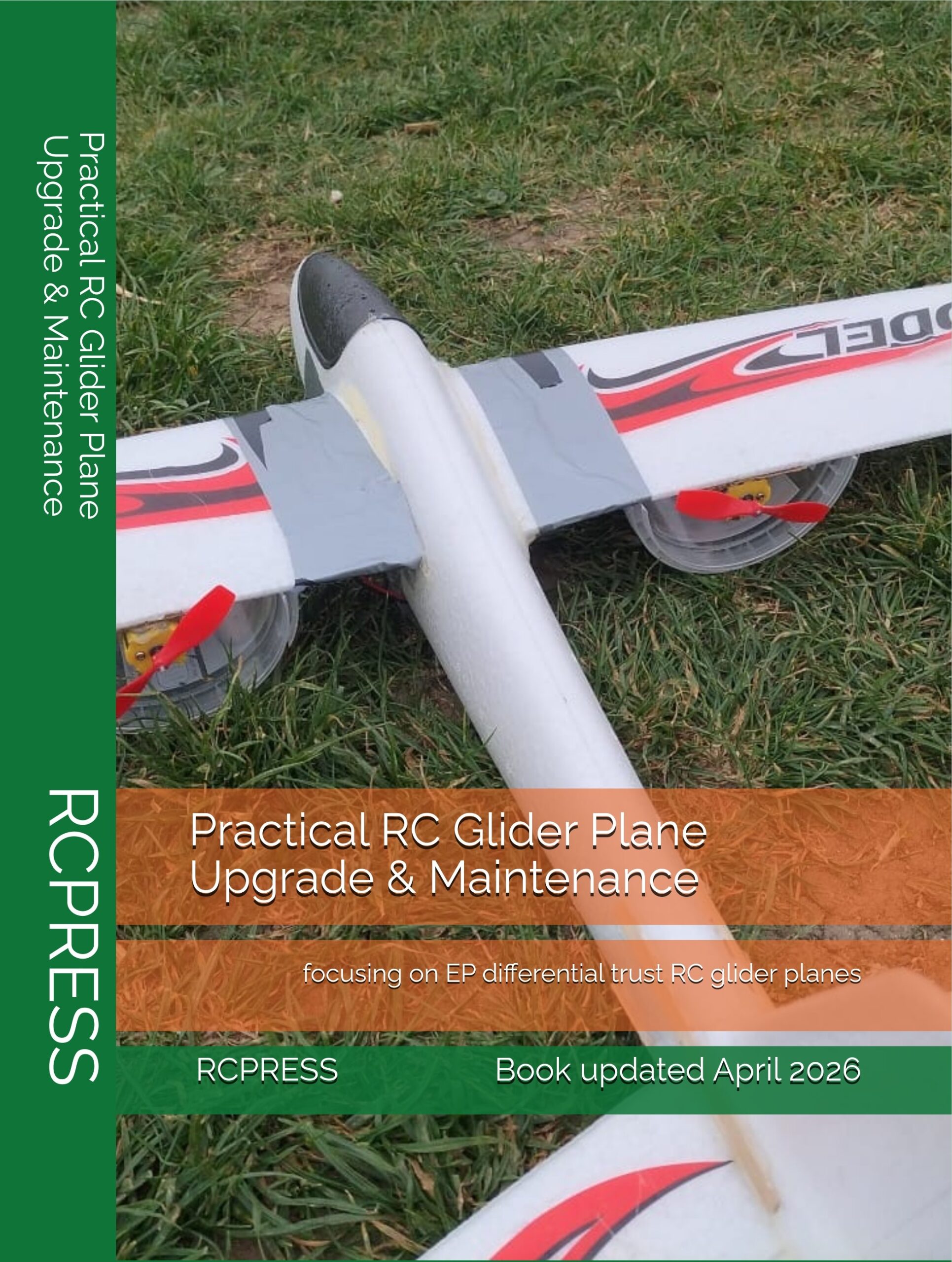
Practical RC Glider Plane Upgrade & Maintenance
focusing on EP differential thrust RC glider planes
There is a moment that every RC glider pilot remembers. It is not the first successful launch or the first thermal caught. It is the moment when you realize that the glider in your hands—the one you bought as a beginner, the one with scuffs on the nose and tape holding something together—can do more than you ever expected. Maybe it was a flight that lasted twice as long as any before. Maybe it was the way the glider turned into lift without being told, as if it had learned something you had not yet taught it. Maybe it was simply the satisfaction of fixing a problem yourself rather than buying a replacement part. Whatever the moment, it marked the transition from being someone who flies RC gliders to someone who understands them.
This book is written for that moment. It is for the pilot who has mastered the basics—who can launch, fly, and land without panic—and now wants to go further. It is for the builder who has assembled a kit or flown a ready-to-fly model and discovered that the real adventure begins when you start asking questions. Why does my glider sink faster than others? What is that strange oscillation I see in certain conditions? Can I add a larger propeller? How do I know when my center of gravity is truly correct? These are not problems to be solved once and forgotten. They are invitations to a deeper engagement with your aircraft and with the fascinating physics that keep it aloft.
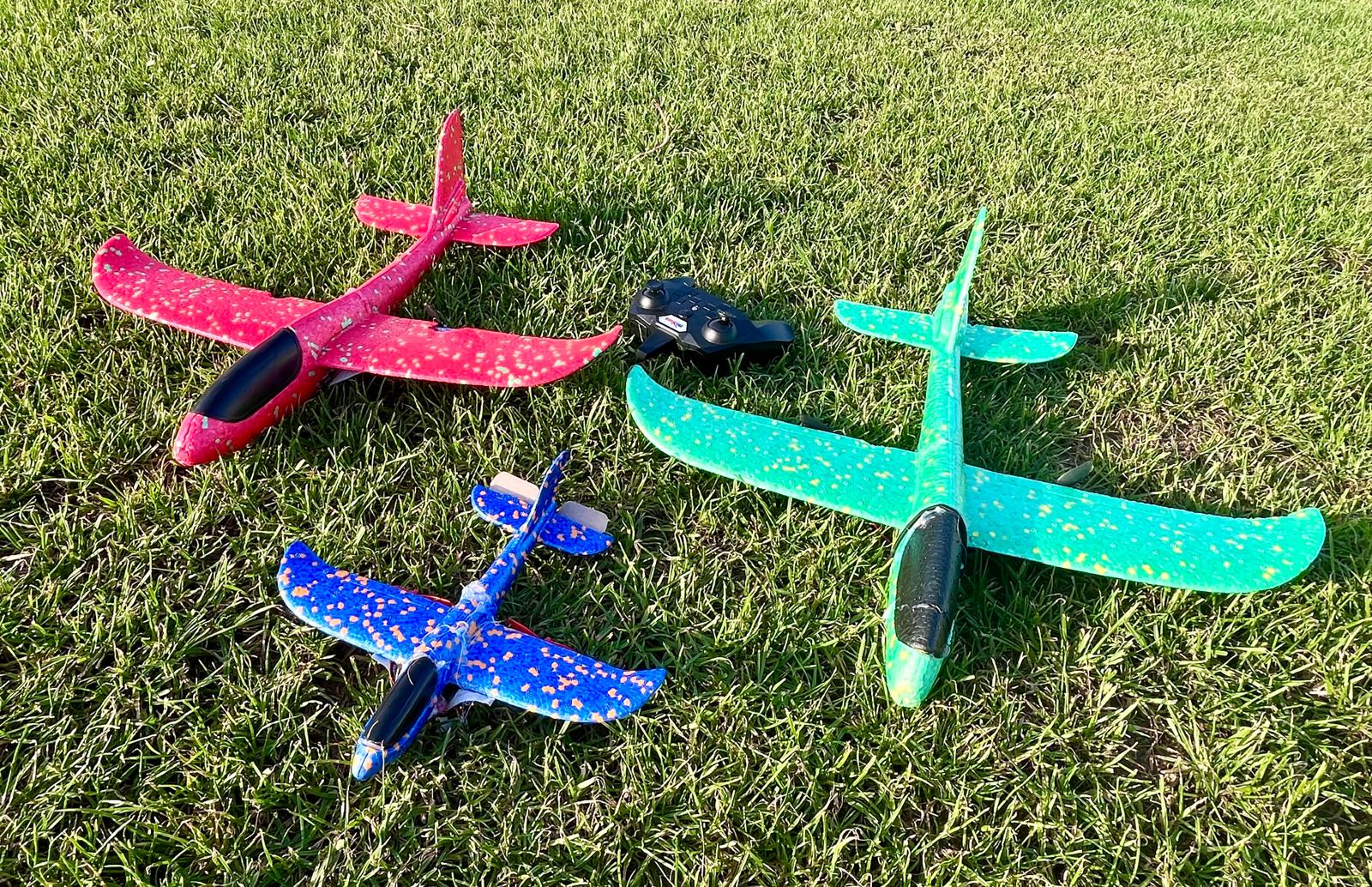
The RC gliders we fly at the entry level are remarkable machines. They are engineered to be affordable, durable, and forgiving—qualities that make them perfect for learning. But affordability and durability sometimes come at the cost of performance. The manufacturers who produce these gliders make deliberate choices to hit a price point, to simplify assembly, or to ensure the model survives the inevitable hard landings of a beginner.
This book is about those improvements. It is about understanding what your glider is doing well and what it could do better. It is about making changes that are practical, affordable, and within the reach of anyone with basic tools and a willingness to learn. You will not find instructions for building a competition-level glider from raw materials or for installing complex flight stabilization systems that cost more than your airframe. Instead, you will find clear, step-by-step guidance for the upgrades and repair tasks that offer the greatest return on investment—in both performance and satisfaction.