The angle of the horizontal stabilizer, often referred to as stabilizer incidence or tail incidence, is one of the primary controls for pitch in an RC glider, and its effect on a climb is directly linked to the aircraft’s trim speed. The core principle is that the stabilizer angle determines the speed at which the glider naturally wants to fly. A more negative incidence, where the leading edge of the stabilizer is pushed down or the trailing edge is raised, forces the tail down and the nose up, resulting in a slower trim speed but the glider is flying up.
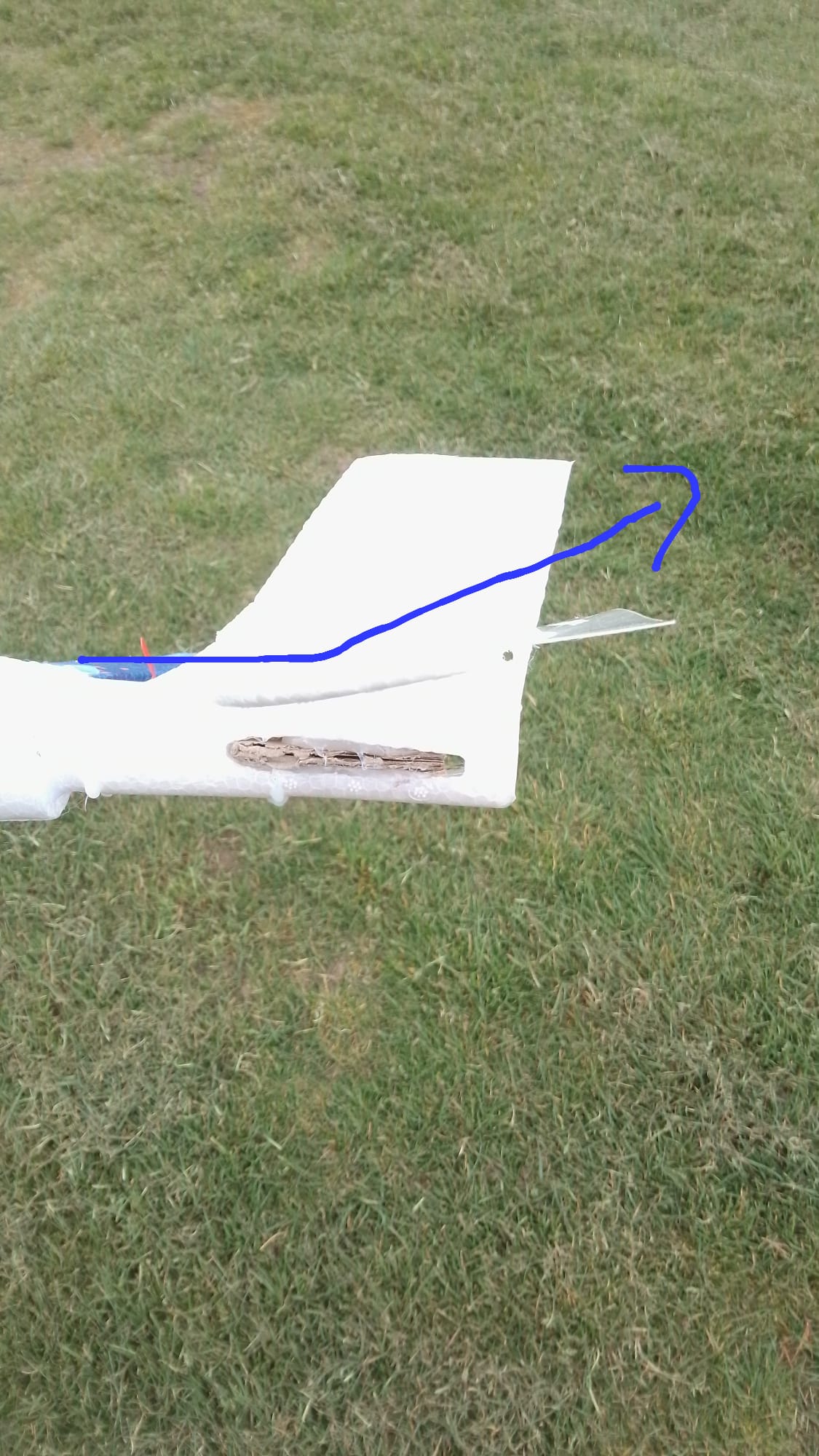
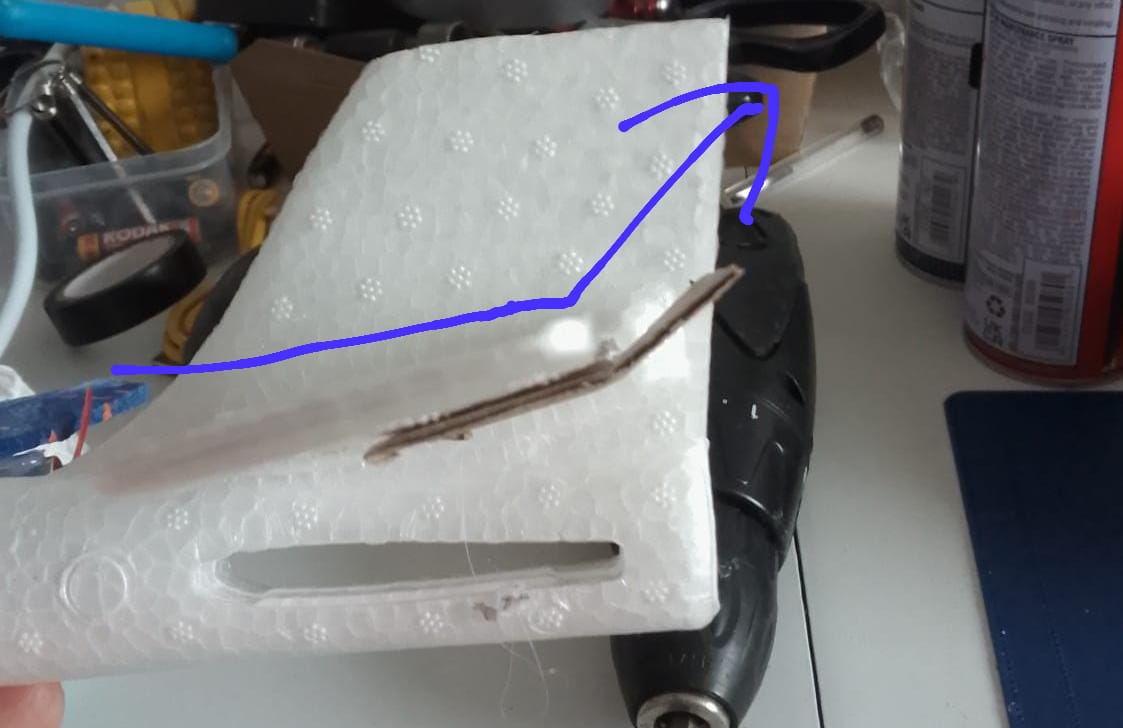
When an RC glider has insufficient tail incidence (meaning the horizontal stabilizer is set at too low an angle relative to the wing, or is “nose-down” too much), the glider will exhibit a persistent nose-down tendency. The general advice is that for a simple RC glider to stay in the air you want a more negative tail incidence. This video shows what would happen if tail incidence is negative enough but thrust is too weak to overcome the extra drag… When the tail incidence is proper but thrust is not enough, the plane will gradually descend (due to more drag) while maintaining a nose-up state.
Sometimes you do have to also check the battery weight, if the battery at the front is too heavy you may have to be more aggressive in the tail incidence…
When the motor is engaged, how this trim speed affects the climb depends largely on the thrust line and the glider’s configuration. For a typical electric RC glider with a roughly horizontal thrust line, a stabilizer set for a fast trim speed will cause the glider to accelerate smoothly when throttle is applied. Because the aircraft is trimmed to fly quickly, it will resist pitching up aggressively and instead climb in a shallow, efficient manner. On the other hand, if the stabilizer is set for a slow trim speed, the glider will try to maintain that slow speed even under power. As thrust increases, the aircraft cannot accelerate without pitching up to preserve its slow trim condition, resulting in a steep, aggressive climb that can lead to a stall or a loop if not managed carefully. Loop is common when the nose is up too much!
Sometimes a stock glider with DIY conversion may not have the ideal tail incidence and you will have to manually trim by adding extra pieces to the tail. Lots of trial and error can be expected.

Fixed trimming refers to the practice of setting the horizontal stabilizer or elevator to a single, mechanically fixed position that is not adjusted during flight via flight modes or variable incidence mechanisms. This approach has its own set of advantages and disadvantages that influence how a glider handles, particularly during climbs.

The primary advantage of fixed trimming is its simplicity and reliability. With no moving parts dedicated to adjusting the stabilizer angle and no complex programming required in the transmitter, the setup is straightforward and leaves little room for mechanical failure or pilot error. This makes fixed trimming particularly appealing for beginner pilots or for simple foam gliders where the manufacturer has already determined a safe and balanced neutral point. Because the control surfaces remain in a predictable configuration, the pilot can focus entirely on flying and reading the air without needing to manage multiple flight modes or remember to switch trim settings between launch, cruise, and thermal phases.
However, the simplicity of fixed trimming comes with significant compromises in performance and flexibility. The most notable drawback is that a single fixed stabilizer angle represents a compromise that cannot optimally serve all phases of flight. A trim setting that provides a stable, slow glide for thermaling will cause the glider to pitch up aggressively and inefficiently under power, often resulting in a steep, stall-prone climb that wastes battery energy. Conversely, a trim setting that yields a fast, penetrating cruise speed will make the glider difficult to thermal, as it will constantly want to accelerate out of the slow, circling flight required to stay within a rising bubble of air. The pilot must therefore constantly fight the trim with manual elevator input, holding back pressure on the stick during a thermal and holding forward pressure during a powered climb, which is physically demanding and reduces precision.

Another disadvantage of fixed trimming is its lack of adaptability to changing wind conditions. On a windy day, a glider trimmed for a calm-day glide speed may lack the forward penetration needed to make progress upwind, whereas a pilot using variable trim or flight modes could simply switch to a speed mode with a faster trim setting. Additionally, fixed trimming offers no provision for the subtle adjustments used by experienced pilots to optimize performance, such as adding a touch of down elevator during the launch climb to prevent zooming or incorporating snap flap, where camber is linked to elevator input for tighter turning.

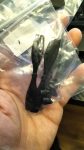
With the smaller red props there is not enough thrust to overcome the extra drag. We therefore upgrade the system to 2S power and use larger props. Now it finally flies.
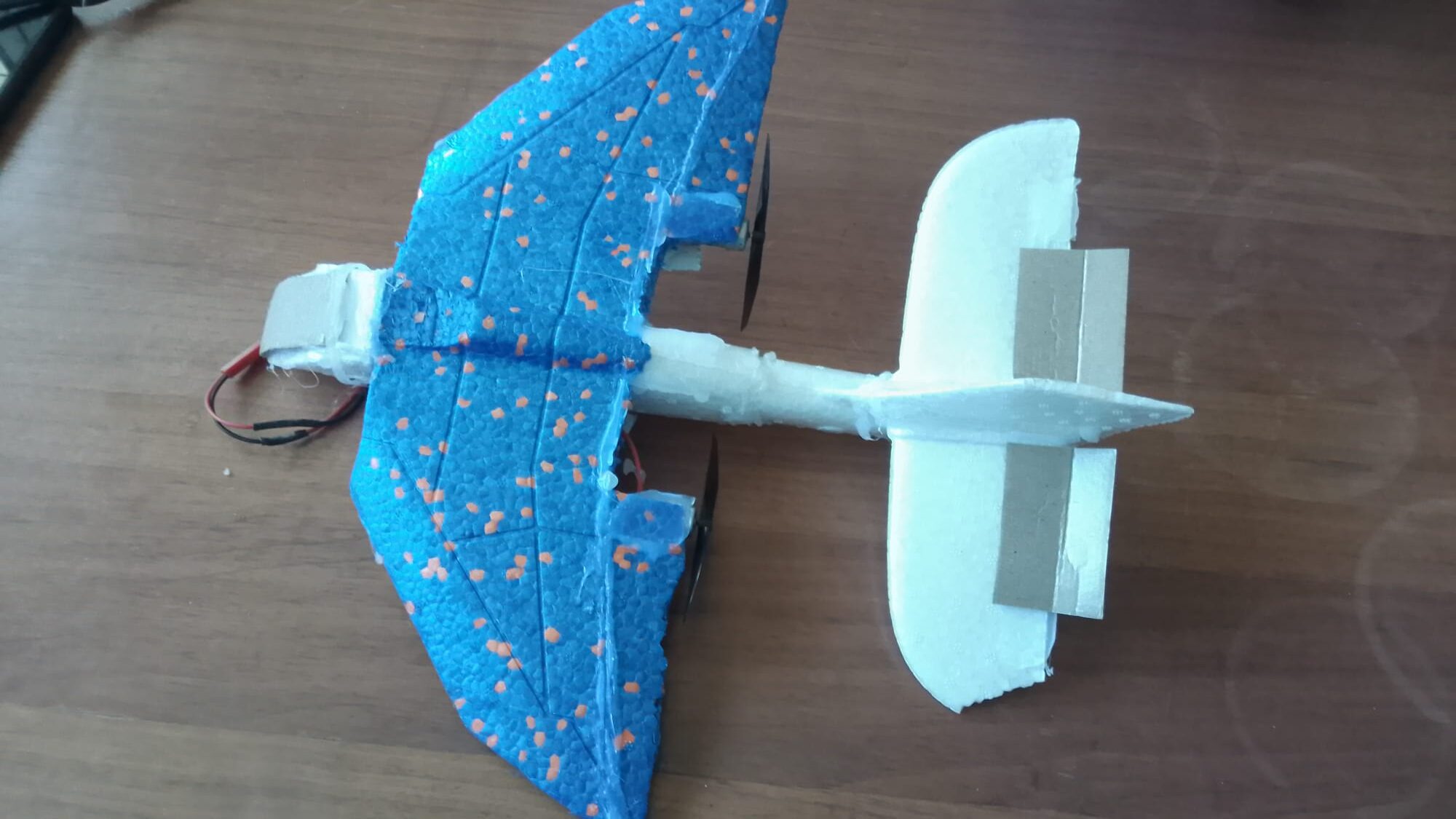
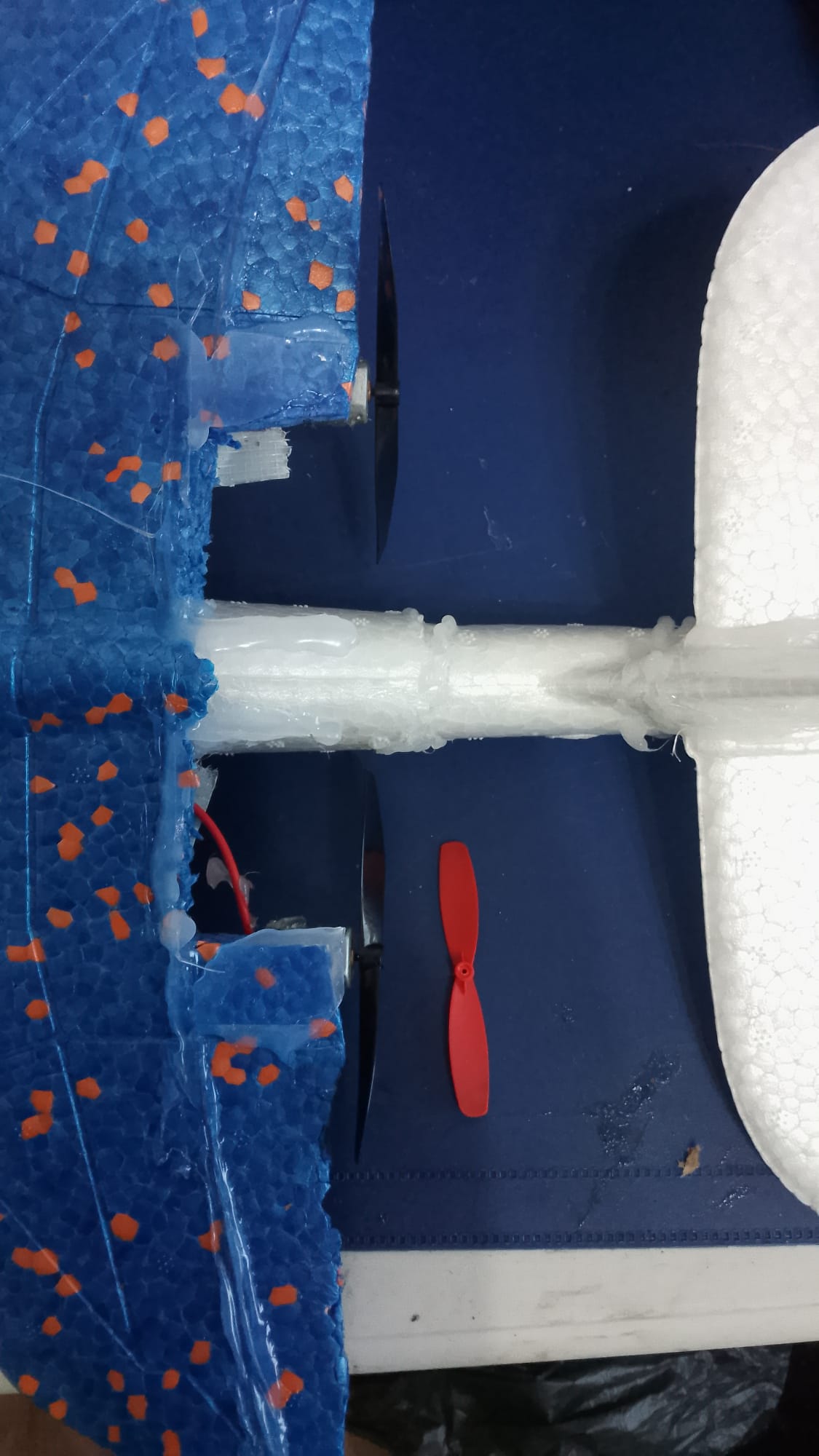
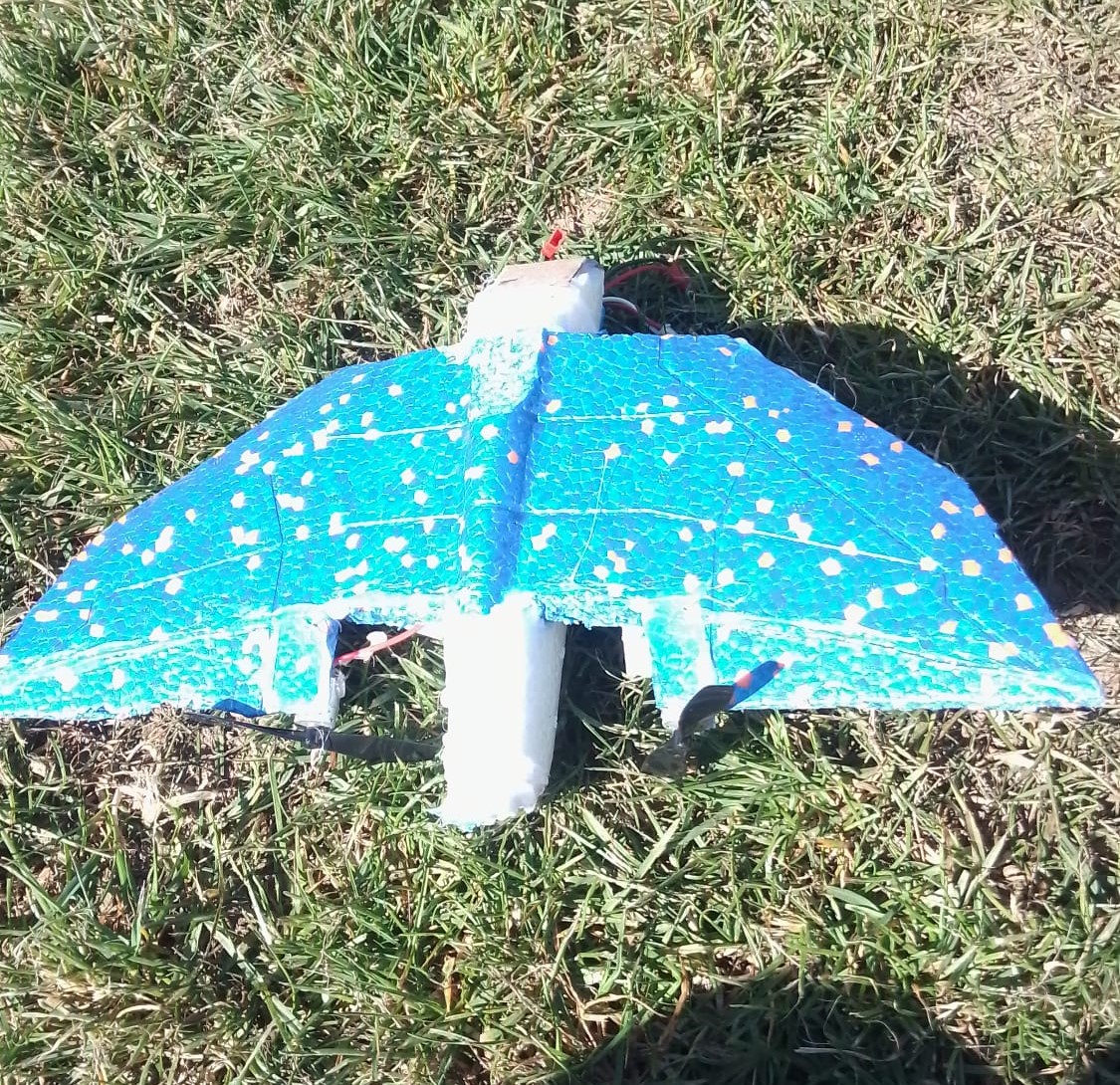
Without a tail the plane will NOT fly. DIY Delta Wing is never easy!