Back in the day, foam bumpers were pretty much standard on RC cars, especially touring cars and buggies. They did their job well—absorbing big hits and protecting the chassis from nose-dives into walls or pipes. But if you look around tracks today, you’ll notice most people have moved over to comb style (plastic) bumpers instead, and there are a few reasons for that shift.
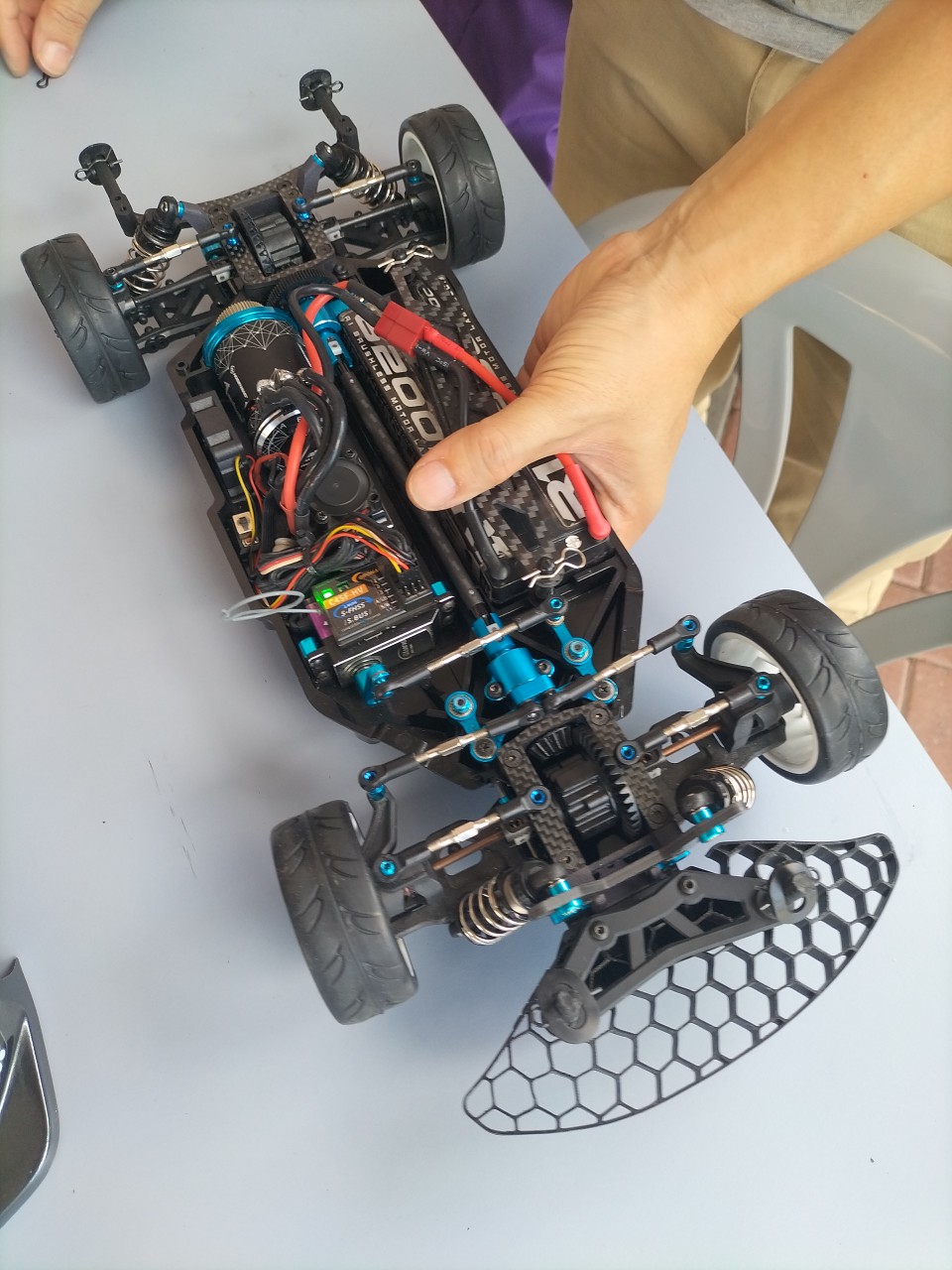
First off, comb bumpers are way more durable over time. Foam tends to get chewed up pretty quickly—one good crash into a corner and your nice square bumper turns into a ragged sponge. You end up trimming it, flipping it, or replacing it often. Comb style bumpers, on the other hand, flex and spring back. They don’t disintegrate after a weekend of racing, so you get more mileage out of them.
Another reason is aero and fitment. Foam bumpers used to double as body supports, but with today’s low, sleek shells, people don’t want a big block of foam sticking out under the nose. Comb bumpers are slimmer and often designed to cradle the body perfectly, keeping it supported without ruining the look or dragging on the ground. They also channel airflow better, especially on on-road cars where every bit of stability helps.
There’s also weight and consistency. Foam absorbs moisture and dirt, so it can actually change weight and balance as it wears down. Comb bumpers are lightweight plastic, and they stay the same shape and weight from run to run. That consistency matters if you’re chasing lap times.
Finally, it’s about modern track needs. Tracks today are generally smoother and less destructive than the rough parking-lot surfaces of the 80s and 90s. You don’t need a big pillow of foam to save the front end anymore—what you want is something that protects the chassis plate, keeps the body in place, and doesn’t affect handling. The comb bumper does exactly that.