
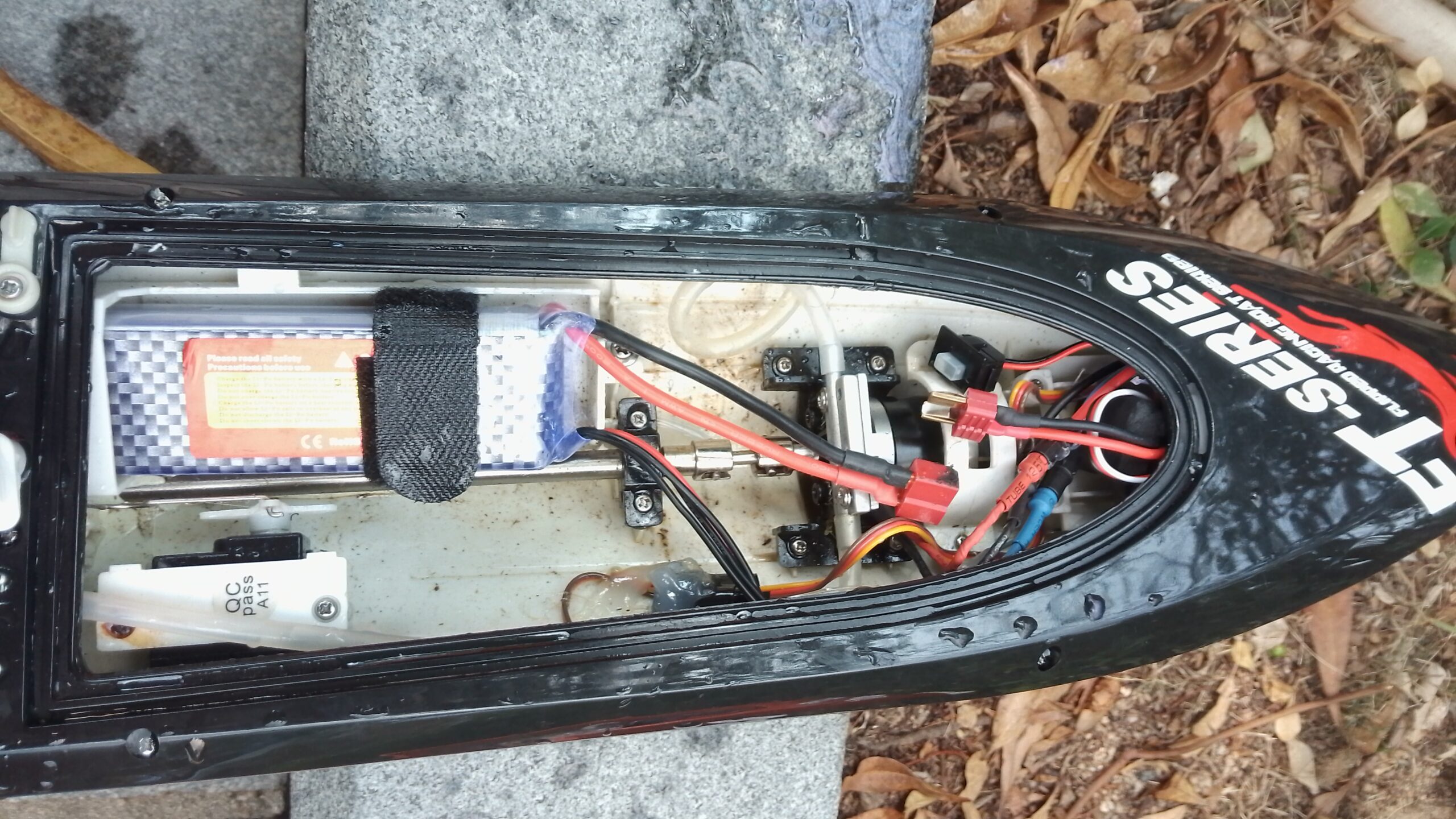
When you start looking at brushless motors for an RC boat, the sheer number of choices can quickly become overwhelming. There are inrunners and outrunners, sensored and sensorless options, water-cooled variants, and a dizzying array of KV ratings to consider. For years, the boating community was dominated by inrunner motors, those sleek closed-can designs that spin at astronomically high RPMs. Lately, however, more and more ready-to-run boats are shipping with outrunners, and for good reason. If you want explosive acceleration, better efficiency, and a motor that runs cooler, the outrunner might just be the secret sauce your boat needs.
To understand why, it helps to use a car analogy. An inrunner motor is like a high-strung four-cylinder engine that loves to rev to the moon and makes its power at the very top end. An outrunner, on the other hand, is like a big-block V8 that produces massive torque right off idle. Because the magnets are located on the outside of the can, which is the part that spins, outrunners have a larger diameter and more rotational mass. This design gives them a significant torque advantage, and in a boat, this translates directly to something we all love: hole shot.
If you have ever driven a heavy or deep-vee boat, you know the struggle of getting on plane. That is the moment when the boat has to push its bow down and climb on top of the water instead of plowing through it, and it takes a lot of low-end grunt to accomplish this. An outrunner provides exactly that, producing massive amounts of torque that allow the boat to get on step almost instantly upon hitting the throttle. Instead of the sluggish hesitation where the bow points to the sky, an outrunner-powered boat digs in and goes, making it absolutely thrilling to hit the trigger and feel the boat literally leap forward.
Because outrunners make such high torque at low RPMs, they are often perfect for direct-drive systems where the motor is connected directly to the flex shaft that spins the propeller. With an inrunner, you sometimes need a gearbox or a specific drivetrain setup to manage the insane RPMs and translate them into usable thrust. Outrunners spin at a more manageable speed while swinging a bigger prop with authority, which means less complexity, fewer moving parts to fail, and a more reliable boat overall.


