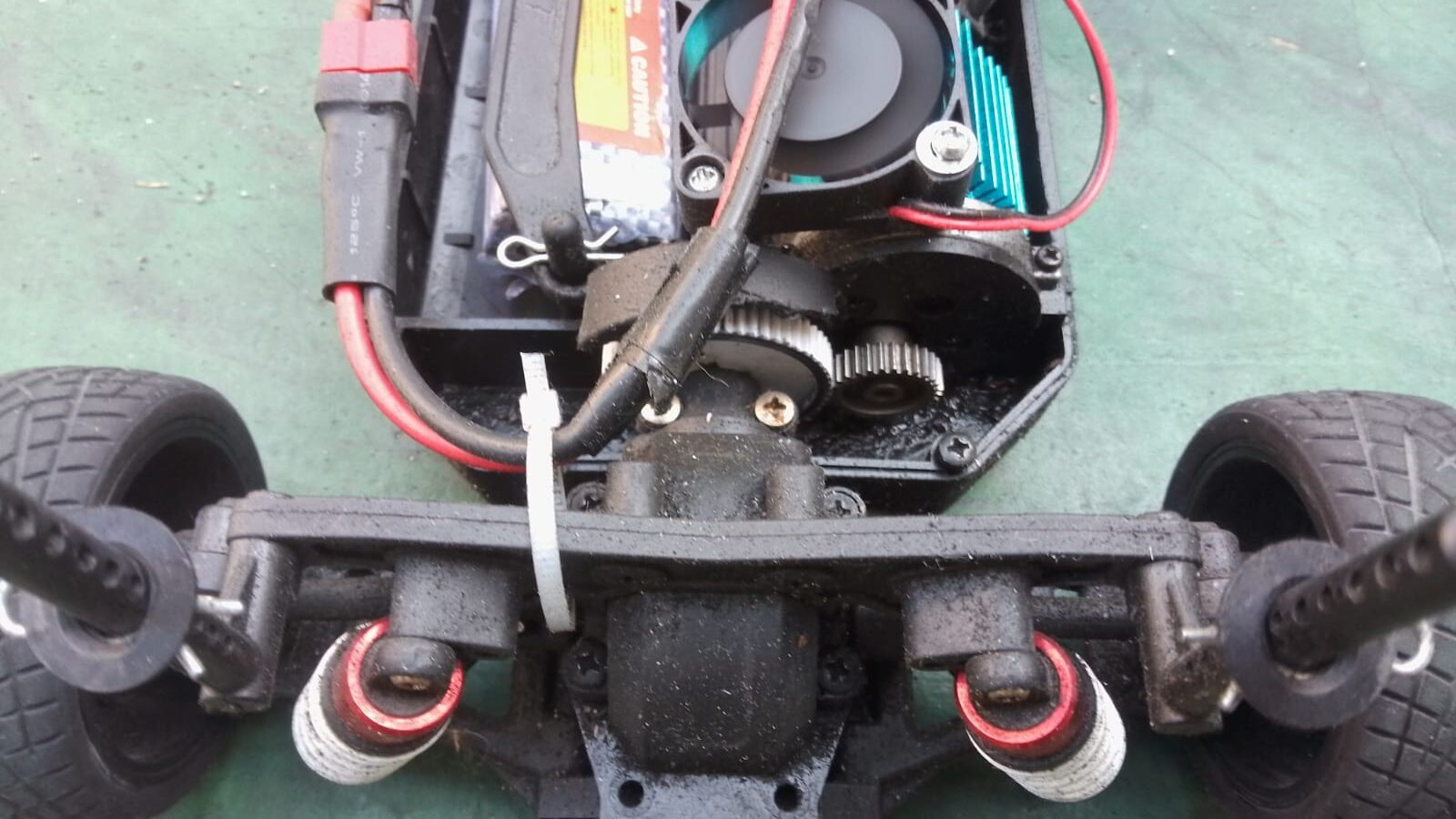
Both the Fazer and TT-01/TT-02 are entry-level 4WD touring platforms. Both are built to be tough, simple, and easy for beginners to assemble and drive. And because of that, the basic upgrade paths are very similar.
The Kyosho Fazer features a sturdy, well-designed chassis that generally comes as a Ready-To-Run (RTR) model, meaning it is pre-assembled and includes almost everything needed to get started. The Tamiya TT02 is available in both kit and RTR formats, with the kit version being particularly popular among hobbyists who enjoy building their own cars. BOTH have highy similar structure although there is no parts compatibility between them.
This book has been updated in April 2025. Tamiya TT01, TT02 and Kyosho Fazer Practical Upgrade & Maintenance for Beginners has been developed from the ground up for beginners who are new to Tamiya TT01/TT02 or Kyosho Fazer. It gives an introduction to their architectures. The primary goal is to explain various RC technical concepts and essential DIY upgrade & maintenance techniques in very simple language. Modern features such as 2.4G radio, Lipo batteries and brushless systems are covered in addition to the more traditional RC terminologies, techniques and technologies. We believe that this book and its support materials have everything you need for an informative, interesting, challenging and entertaining onroad RC experience with cars based on the TT01/TT02/Fazer chassis.
Hobbyist’s Breakdown: TT-Series vs. Kyosho Fazer Mk2
1. Build & Layout
Tamiya TT-01 / TT-02: Both are classic 1/10 shaft-driven, bathtub-style chassis that are straightforward to assemble—especially with Tamiya’s crystal-clear instructions. TT-01 is more old-school and entry-level, while TT-02 brings modern flexibility with LiPo battery support and chassis flex improvements.
Kyosho Fazer Mk2 (FZ02): It features a lightweight, deckless tub chassis with nylon reinforcements, front and rear stiffeners, and ribbed sections for impact resistance. Around 40% of it comes pre-assembled, with handy parts like HD center shaft, universal swing shafts, and DIY-friendly transponder and body mounts in the kit.
2. Handling & Driving Feel
TT-series: Known for being a fantastic DIY platform. Fun to tinker with, but out of the box they’re not blazing fast or sharp. You’ll get a basic, predictable drive that rewards upgrades and patience.
Fazer Mk2: Users report it’s “way more nimble and agile”, even handling rough pavement better than other touring rigs. There are comments about 50 mph+ speeds with brushless power—impressive straight off the shelf. The chassis is solid out of the box, with oil shocks and bearings delivering a refined handling baseline that many TT chassis need upgrades to match.
3. Tuning & Upgrade Roadmap
Tamiya TT-series: The sky’s the limit for hop-ups. Want aluminum parts, tighter steering, better shocks, LiPo integration? No problem. Community support and parts are strong—even though upgrades can get expensive and sometimes fiddly.
Kyosho Fazer: Solid as delivered, but lacks deep tuning flexibility. It’s built for simplicity and style rather than granular adjustments—no sway bars, limited geometry tweaks—and aftermarket support is lighter compared to Tamiya.
4. Durability & Reliability
Tamiya TT-series: Plastic parts are decent but some users highlight Tamiya’s upper front arms and steering parts as weak points. Solid upgrades help—hence the “Tamiya project car” reputation.
Fazer Mk2: Initially robust, with nylon body and added reinforcements. But fragility can show up—like broken driveshafts from debris or chipping body panels on rough surfaces. Owners recommend upgrades like aluminum shafts or protective covers for peace of mind.
This book has extensive coverage on Fazer tuning and modification (such as using TT01 spur gear and 0.6 mod pinion to replace the hard to find stock gears).