
If you’ve been around RC cars for a while, you’ve probably noticed more and more racers switching to shorty LiPo batteries instead of the traditional full-length packs. At first glance, it might seem like a small change, but in RC, battery size and placement can make a big difference. Shorty LiPos aren’t just a trend—they solve several real performance and setup problems.
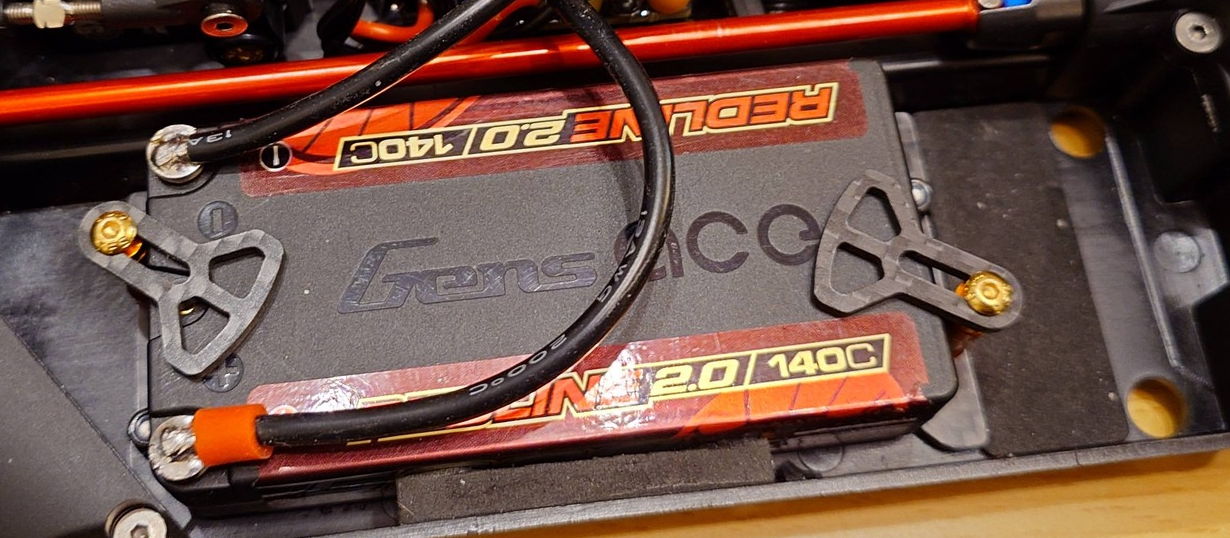
The biggest advantage of a shorty LiPo is weight distribution. A shorty pack is physically shorter and usually lighter than a standard stick pack. This gives drivers freedom to move the battery forward, backward, or sideways in the chassis. By adjusting where that weight sits, you can fine-tune how the car turns, accelerates, and feels on different track conditions.
On low-grip surfaces, moving a shorty LiPo forward can add steering and stability. On high-grip tracks, shifting it rearward can improve traction and exit speed. With a full-length battery, you’re mostly stuck with one position. A shorty turns the battery into a tuning tool rather than just a power source.
Another major reason racers like shorty LiPos is lower overall weight. Less weight means the car changes direction more easily, brakes harder, and reacts faster. This is especially noticeable in 1/10 scale racing, where shaving even a few grams can improve lap times. A lighter car also puts less stress on tires, which can improve consistency over a race run.
Shorty packs also help with chassis balance. Modern RC race cars are designed with very low center-of-gravity layouts, and shorty LiPos fit perfectly into these designs. Because they’re compact, they can be mounted flatter and lower, reducing chassis roll and making the car feel more planted in corners.
There’s also a practical racing benefit: class rules. Many racing classes have minimum weight limits. Using a shorty LiPo lets drivers place ballast exactly where they want it instead of being forced to carry extra weight in an inconvenient location. This gives more control over how the car handles without breaking the rules.
Of course, shorty LiPos aren’t always the best choice for everyone. They usually have slightly lower capacity than full-size packs, which can mean shorter run times for bashing or long practice sessions. They also tend to cost a bit more, especially high-quality race packs.


