
If you’ve been around RC cars for a while, the mention of Ni-Cd batteries probably brings back some strong nostalgia. Long before LiPo packs and smart chargers became the norm, Ni-Cd was the battery technology that powered countless RC cars, trucks, and buggies. But in today’s world of high-capacity LiPo and NiMH packs, is there still a place for Ni-Cd in RC? Surprisingly, the answer isn’t a simple no.
For most modern RC drivers, Ni-Cd batteries have clearly been left behind. Compared to today’s standards, they have lower capacity, shorter run times, and suffer from the infamous “memory effect” if not properly discharged before recharging. LiPo batteries, in particular, offer far more power in a smaller, lighter package, which translates directly into better acceleration, longer run times, and higher top speeds. From a pure performance perspective, Ni-Cd simply can’t compete.
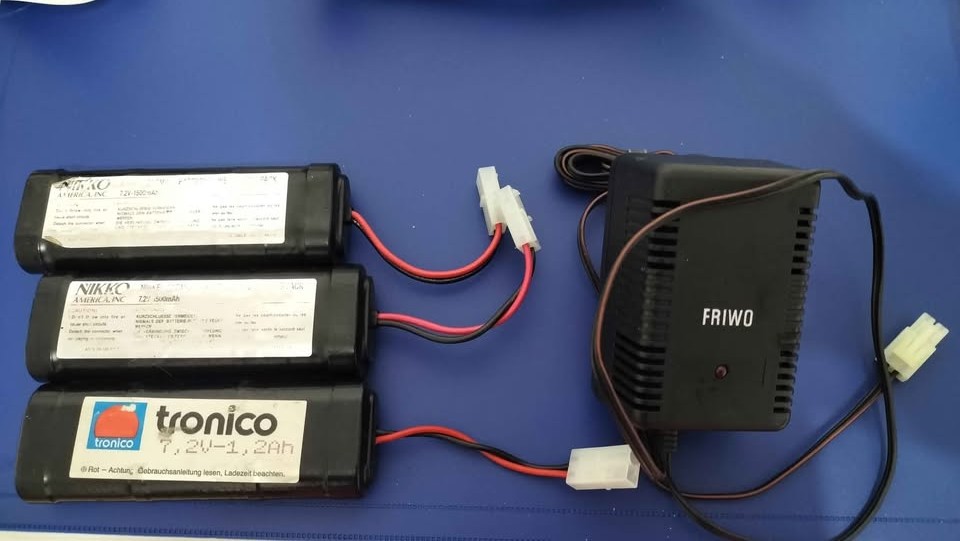
That said, Ni-Cd batteries haven’t disappeared entirely. There is still a small but real market for them, mostly driven by specific use cases rather than mainstream performance RC. One of the biggest reasons is compatibility with older RC cars. Many vintage and toy-grade RC models from the 1980s and 1990s were designed specifically around Ni-Cd packs and chargers. Using modern batteries in these cars can require electrical modifications or risk damaging original electronics. For collectors who want to keep their models original—or at least period-correct—Ni-Cd batteries remain a practical option.
Another reason Ni-Cd still has some supporters is durability. Ni-Cd cells are tough. They tolerate overcharging better than LiPo, are less sensitive to cold temperatures, and don’t pose the same fire risks when mishandled. For simple backyard RC cars, especially those used by children, some people still appreciate the “plug it in and don’t worry too much” nature of Ni-Cd systems.
Ni-Cd batteries also continue to appear in low-cost, entry-level RC cars, particularly toy-grade models. Manufacturers choose them because they’re cheap, robust, and easy to manage with basic chargers. In this segment, long run times and high power aren’t the priority—simplicity and safety are.
However, it’s important to be realistic about the future. Environmental regulations and manufacturing shifts have made Ni-Cd batteries less common and harder to find. Cadmium is toxic, and many regions restrict its use, which limits large-scale production. As a result, NiMH batteries have largely replaced Ni-Cd in situations where lithium batteries aren’t suitable.
So, is there still a market for Ni-Cd batteries in RC cars? Yes—but it’s a niche market. Vintage restorations, collectors, toy-grade RC cars, and users who value simplicity over performance keep Ni-Cd alive. For modern hobby-grade RC driving, though, LiPo and NiMH have firmly taken over.
In the end, Ni-Cd batteries are no longer the future of RC—but they’re still part of its present, quietly powering old favorites and reminding us where the hobby started.