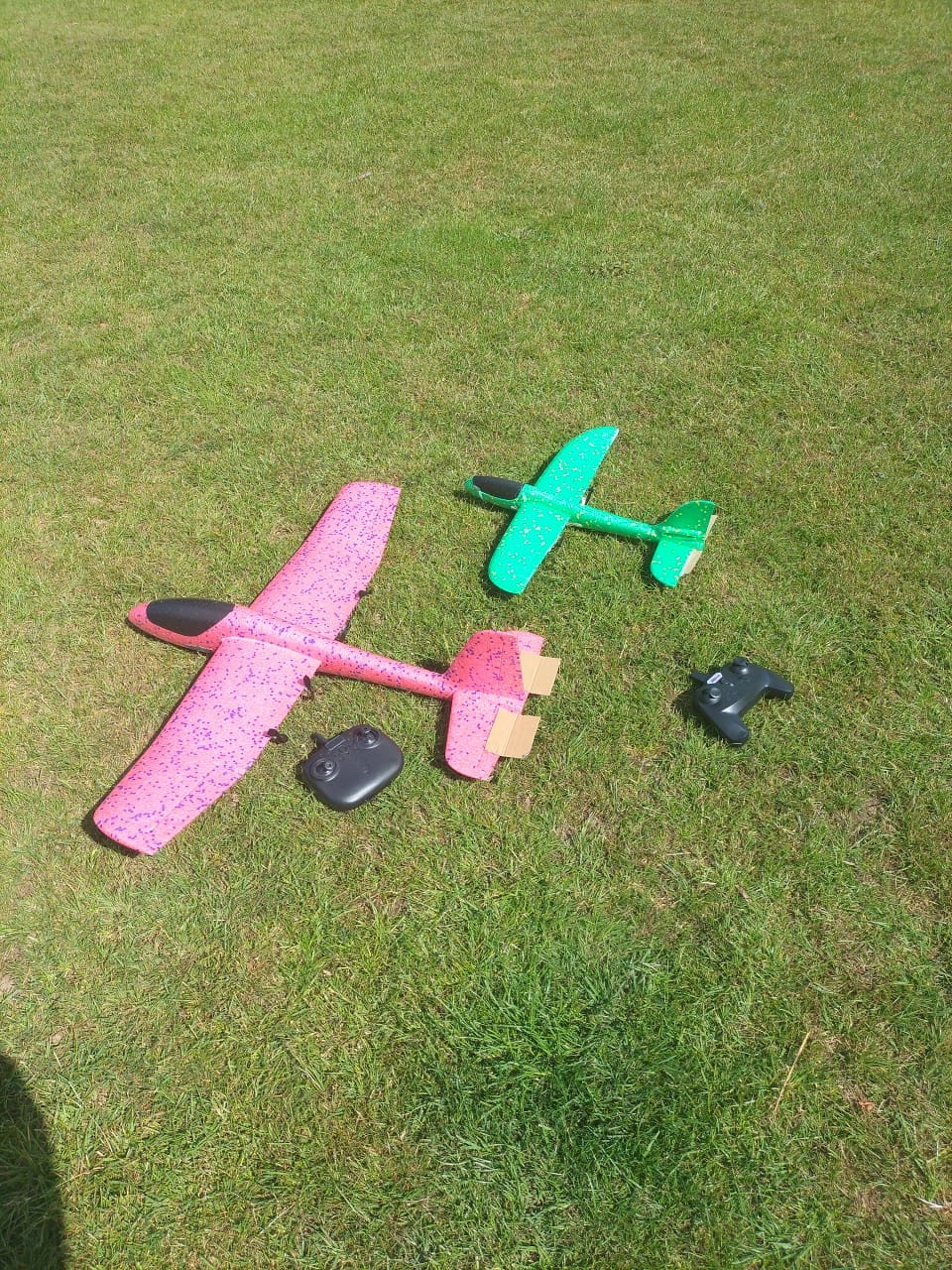
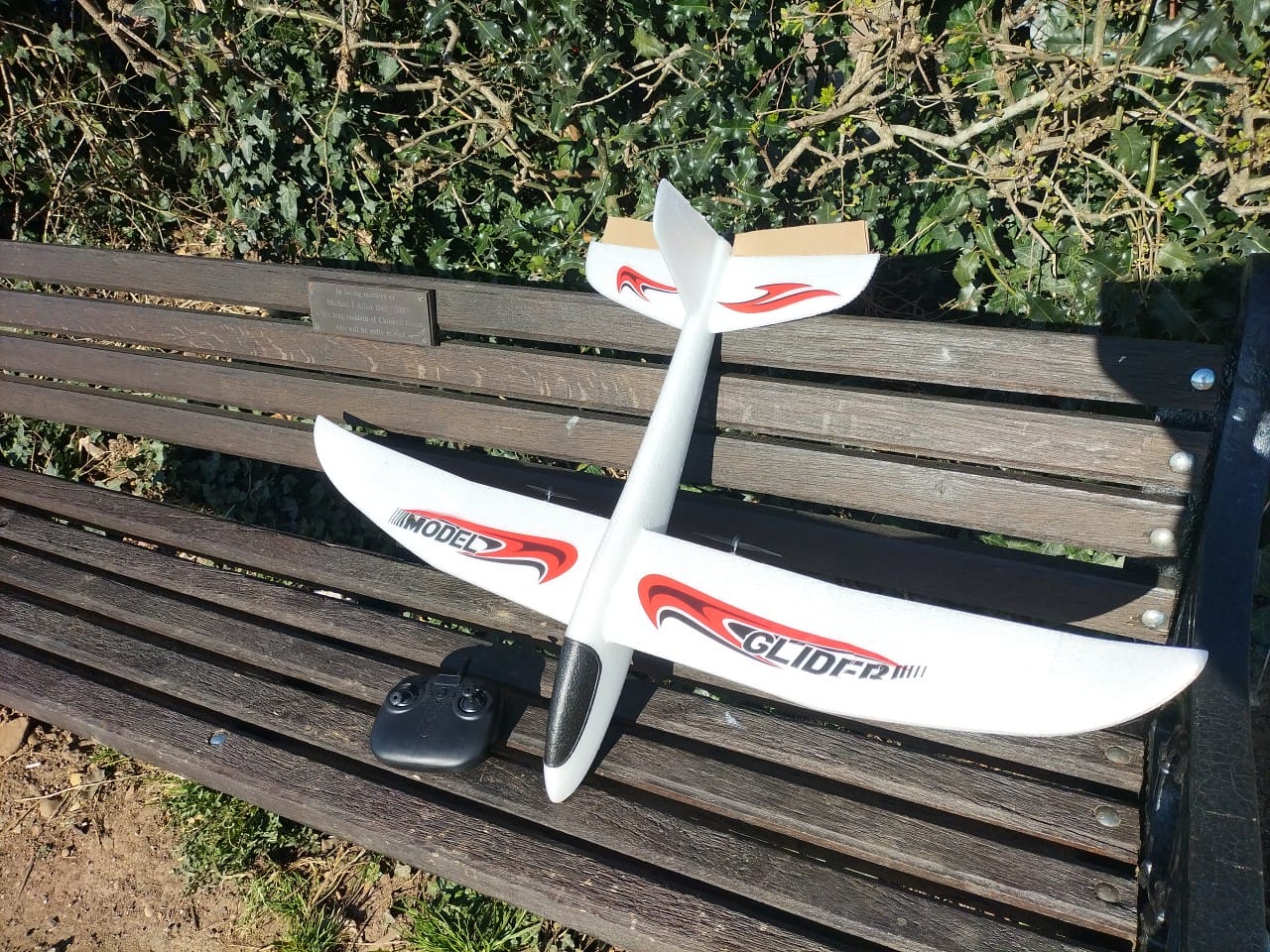
This may look a bit off topic, but many of the simple and cheap RC gliders work exactly like PCA.
When we think of airplanes, we imagine wings, rudders, and elevators working in harmony to steer a machine through the sky. But what happens if those controls fail? That’s where the idea of Propulsion Controlled Aircraft (PCA) comes in—a fascinating concept that shows just how far aerospace innovation can stretch when safety is on the line.
What is Propulsion Controlled Aircraft?
Propulsion Controlled Aircraft (PCA) is a system that allows a plane to be flown using only its engines for control. Instead of relying on the usual control surfaces like ailerons or elevators, pilots adjust thrust from the engines to change the aircraft’s pitch, roll, and yaw. By carefully balancing engine power, a pilot can keep the airplane stable, turn, and even land safely—without traditional flight controls.
Why Was It Developed?
The PCA concept came out of the need for a last line of defense in emergencies. Imagine if hydraulic systems fail, or if a mechanical failure makes the control surfaces inoperable. In the past, that almost always meant disaster. NASA and the FAA, working together with aircraft manufacturers, developed PCA technology in the 1990s as a way to give pilots a fighting chance when everything else has failed.
One of the most famous test cases involved an F-15 and later a McDonnell Douglas MD-11, where pilots successfully demonstrated that they could fly and land using only throttle inputs. It wasn’t pretty, but it worked—and that was the point.
How Does It Work?
The PCA system relies on differential thrust—varying the power between engines—to mimic control inputs. For example:
Pitch (nose up or down): Both engines increase or decrease thrust together.
Roll (bank left or right): One engine produces more thrust than the other.
Yaw (swing left or right): Asymmetric thrust helps steer the aircraft.
The pilot isn’t expected to manually “juggle throttles” in a real PCA system. Instead, computer software interprets control stick inputs and translates them into subtle thrust adjustments.
Why Does It Matter?
PCA is not something you’d use on every flight. It’s a safety net—a backup that could save lives in catastrophic failures. In fact, PCA research was directly influenced by tragic accidents where loss of flight controls left pilots helpless. The technology demonstrated that even large commercial jets could be stabilized and landed using only engines.
Modern Relevance
While PCA hasn’t become standard equipment on airliners, the principles live on in redundant flight control systems and ongoing research into automated safety measures. With fly-by-wire systems and advanced automation, many of the same “control by engine” ideas are now baked into modern designs as part of overall system resilience.
Low cost differential trust RC Gliders implement PCA pretty well.