In the RC world, one of the common debates is whether to go with a sensored or sensorless brushless motor. On the surface, both deliver the speed and efficiency that made brushless tech such a big leap forward from brushed systems, but the way they behave on the track, trail, or water can feel very different.
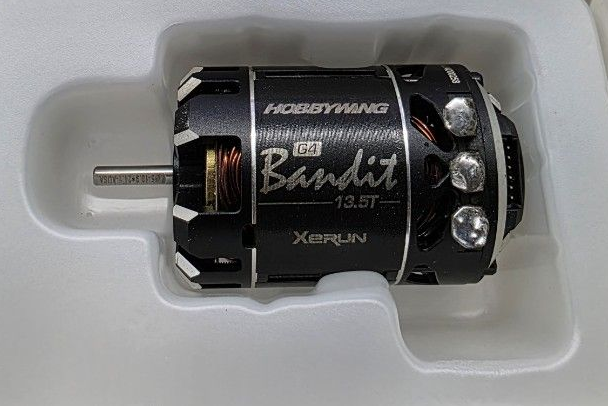
A sensorless brushless motor is the simpler of the two. Instead of having hardware that tells the ESC where the rotor is, the controller guesses based on the feedback it gets from the motor itself. Once the motor is spinning, that guesswork is pretty reliable, which makes sensorless systems punchy, powerful, and efficient. They’re also cheaper and more robust because there’s no sensor board or sensor cable to worry about. But where they can fall short is at low speeds. When you try to creep forward, you often feel that little stutter or “cogging” effect. For a basher tearing across a field or a boat flying across a pond, it’s barely noticeable. But if you’re trying to maneuver with precision, it can be a dealbreaker.
Sensored motors, on the other hand, take the guesswork out of the equation. They use tiny Hall effect sensors built into the motor to constantly tell the ESC the exact position of the rotor. That means the controller always knows what’s going on, even from a dead stop. The difference in feel is immediate: instead of hesitation or jerks, you get smooth, linear power all the way from a crawl to full throttle. This makes sensored setups the favorite among racers, drifters, and crawlers—basically anyone who values precise throttle control and consistency. The trade-off is cost and complexity. Sensored systems are more expensive, and that extra sensor wire means one more thing to route carefully and keep safe from damage. They’re also a little more delicate in wet or muddy conditions compared to the sealed simplicity of a sensorless motor.
So which is better? For most bashers, budget builds, or boats that live at high RPM anyway, sensorless is plenty and delivers the most fun per dollar. But if you’re chasing lap times, crawling over rocks with millimeter precision, or sliding an RC drift car sideways through a corner, sensored motors transform the driving experience. They feel less like a digital on-off switch and more like a real throttle you can trust at every speed.
In the end, it comes down to what you want from your RC. Both options deliver brushless power, but sensorless gives you the raw, no-frills punch, while sensored offers refinement and control. One feels wild, the other feels connected—and that choice is part of the fun of building the car that matches your style.