

I have to say that the Tamiya RC car manuals are almost as iconic as the kits themselves.
When you first crack open a Tamiya box, the smell of fresh plastic parts and rubber tires hits you — and right under the lid is that thick, black-and-white manual. For me, that booklet is half the joy of building a Tamiya kit. It’s not just instructions; it’s like being guided through the process by someone who really knows how to build RC cars, step by step. What makes them special is the clarity and care. Every screw, every part, every piece of hardware has its exact size drawn to scale. You can literally place the screw over the illustration to check if it’s the right one. As a beginner, that gave me so much confidence. There was no guesswork — you always felt like Tamiya had your back. And then there’s the little details that make you smile. The “Attention!” symbols reminding you which way a part faces. The exploded diagrams that somehow make complicated assemblies look simple. The occasional note about greasing gears, tightening carefully, or not overtightening screws into plastic. It feels like the manual isn’t just telling you what to do — it’s teaching you how to build.
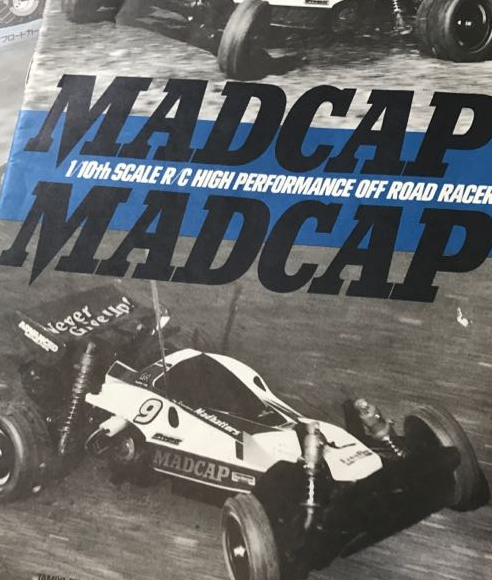
From a hobbyist’s view, the manuals are also a kind of collectible history. Flick through old Hotshot or Avante manuals, and you’ll see that the layout hasn’t really changed much in decades — the same clean drawings, the same careful numbering, the same methodical pace. For me, that consistency is part of Tamiya’s magic. Building a TT-02 today feels connected to someone building a Frog back in the ’80s.
And honestly, they’re works of art in their own way. The technical line drawings are so precise and neat that even after the car is built, I find myself flipping through the manual just to admire the diagrams. Sometimes I even keep manuals of kits I don’t own, just because they’re fun to read through — like a mix of engineering sketchbook and model-building guide.
In the end, Tamiya manuals are one of the reasons why their kits are so beginner-friendly yet still loved by veterans. They turn what could be a frustrating process into a calm, enjoyable experience, almost like a meditation session with plastic, screws, and grease. For me, they’re not just manuals — they’re part of the hobby’s soul.


