The rise of 3D printing has been a game-changer for RC hobbyists. Custom hulls, unique designs, and rapid prototyping are all possible from a home printer—but a question I see pop up all the time is: are 3D-printed RC boats sturdy enough for real use?
The short answer: it depends—but for most hobbyists, the answer is yes, if you plan smart.
First, you’ve got to consider material choice. PLA is easy to print and gives a crisp, smooth finish, but it’s brittle and can crack if your boat smashes into a dock or rocks. ABS or PETG are better for durability, offering more flex and impact resistance. Nylon is even tougher, but trickier to print. Many builders even combine 3D printing with a thin fiberglass coat for extra strength—suddenly your hull goes from “cool but delicate” to “ready to bash.”
Next is print design and settings. Wall thickness, infill percentage, and layer orientation make a huge difference. Thin walls and low infill may look fine on a shelf, but on the water, they flex, twist, or even split under stress. Hobbyists often print hulls with 3–5mm walls, solid bottom layers, and 30–50% infill to strike a balance between weight and strength. Layer lines matter too—print orientation can affect how your boat handles impacts.
Shape and structure also play a role. Traditional RC hulls have ribs, bulkheads, and reinforced areas in high-stress zones. You can mimic this in 3D printing by adding internal bracing, thicker stringers, or structural supports, which really boosts durability without adding a ton of weight.
Finally, don’t forget real-world testing. A 3D-printed hull may survive gentle cruising, but hitting a wake, dock, or rocks too hard can crack it. That’s why many hobbyists treat their prints like prototypes: test, learn, reinforce, and iterate. After a few tweaks, a 3D-printed hull can hold up surprisingly well, especially for scale boats, pond cruisers, or lightweight speedboats.
So, are 3D-printed RC boats sturdy enough? Absolutely—if you choose the right material, optimize your print settings, and reinforce stress points. They might not yet replace molded plastic for high-speed racing or extreme bashing, but for custom designs, experimentation, and just having fun on the water, a well-printed hull is more than up to the task.
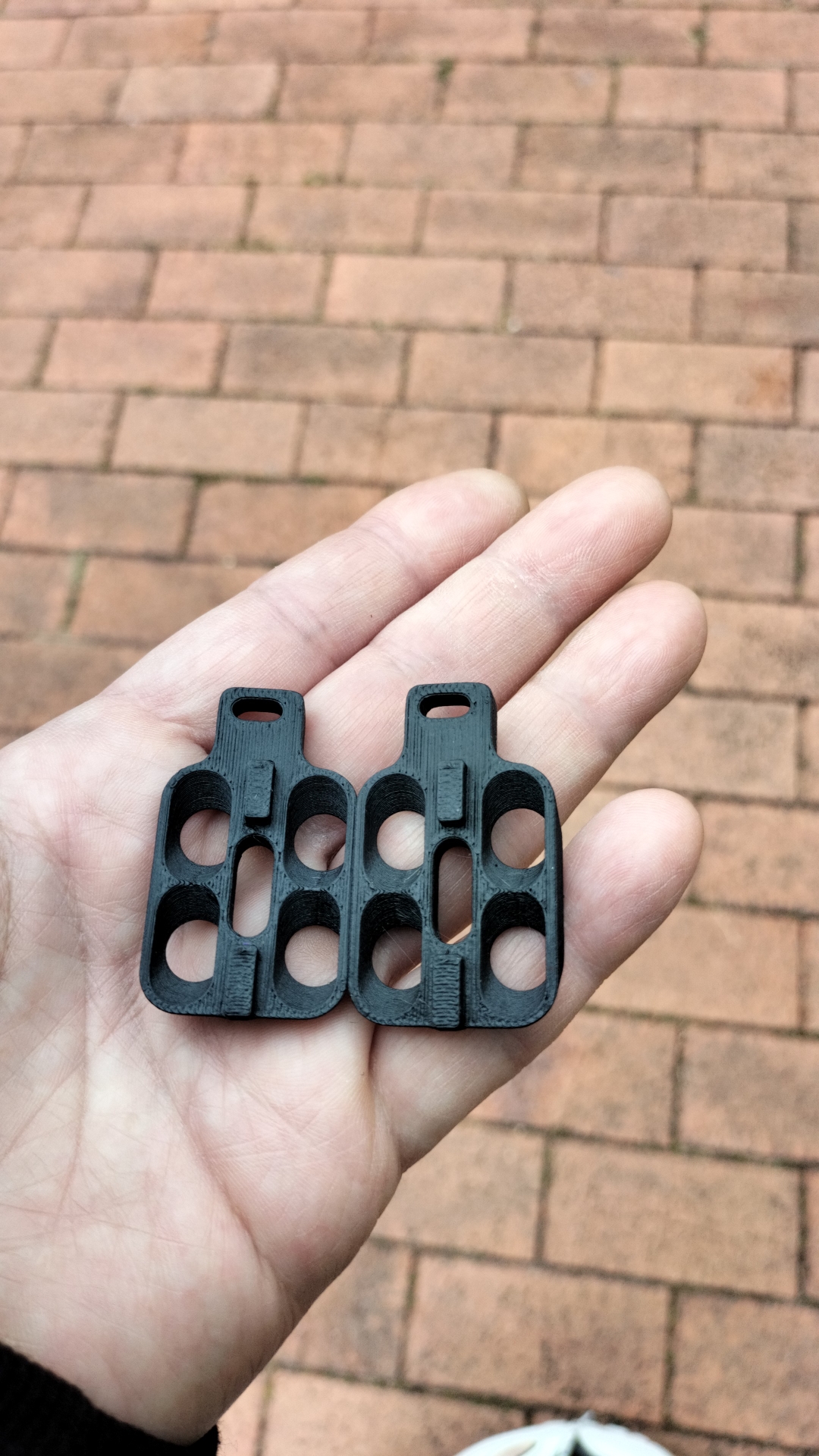
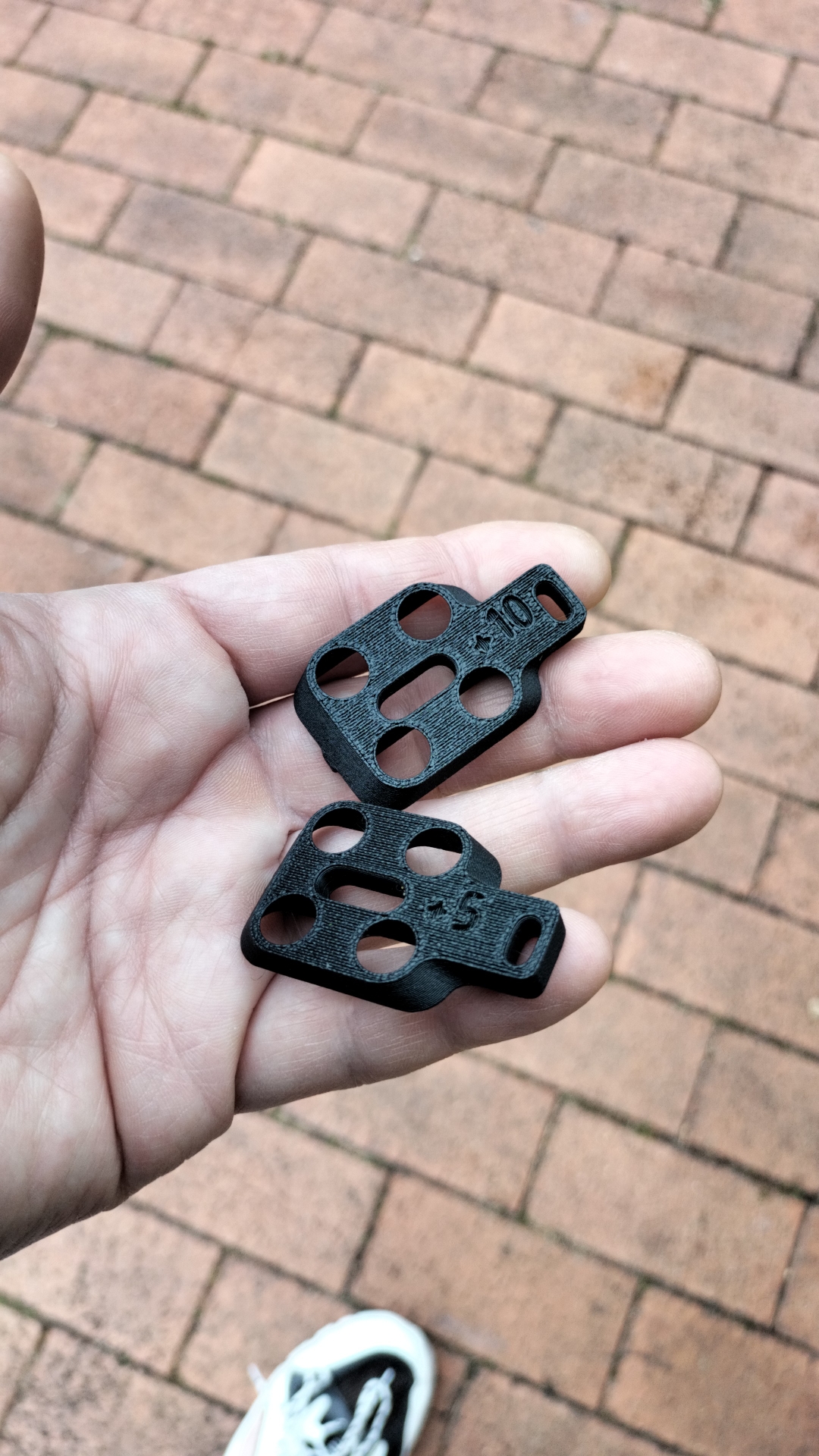
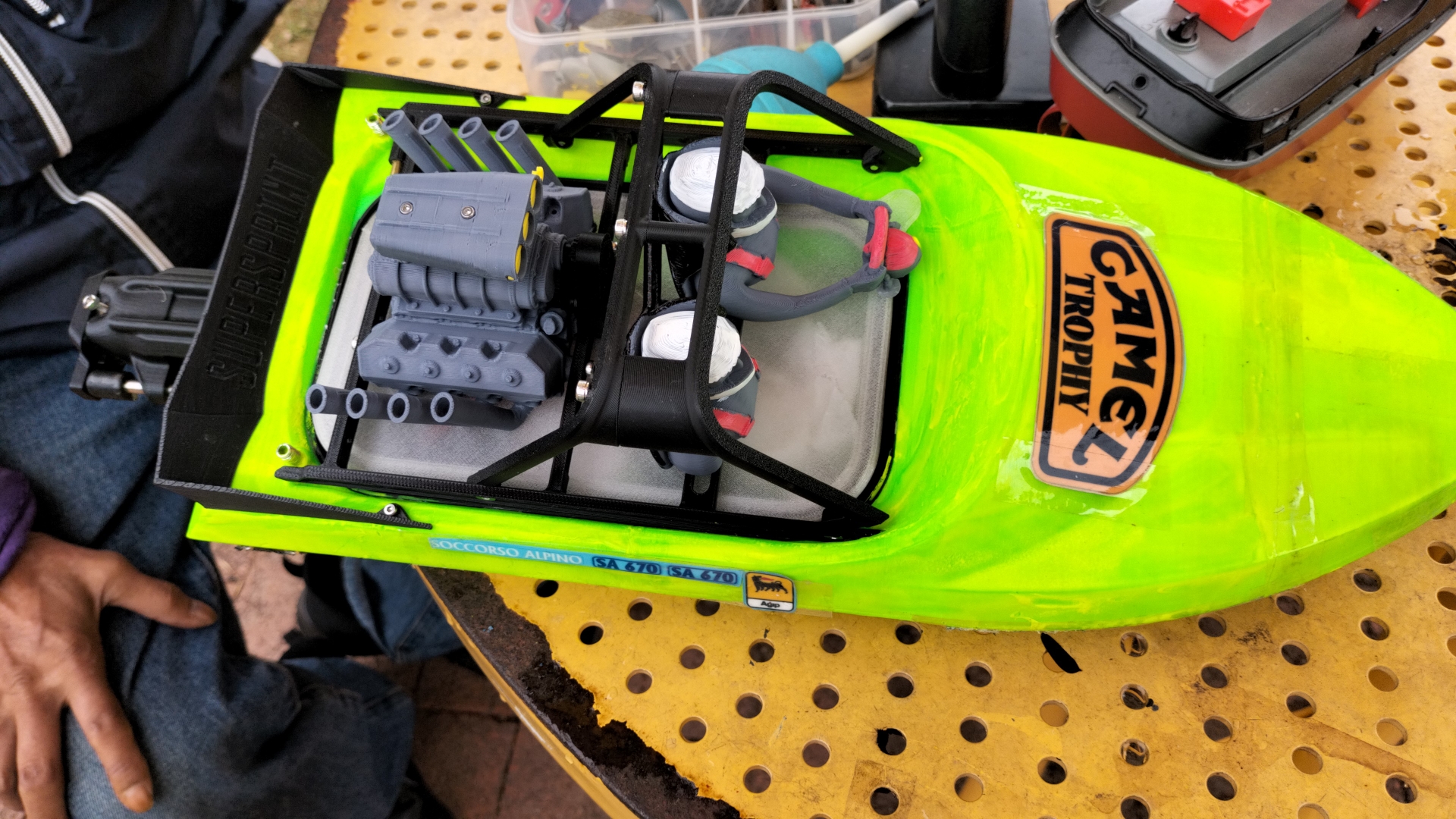
These vids and photos show a 3D printed high power boat with Jet pump engine. More will be discussed in our upcoming RC Boat book.
3D printing an RC boat hull is an exciting and customizable option that allows for precision, complex designs, and rapid prototyping. However, there are important factors to consider when choosing this method.
You can create unique hull shapes and features that would be difficult to achieve with traditional methods. Software like Fusion 360, Tinkercad, or Blender allows for easy design modifications.
Talking about Material Selection:
- PLA: Easy to print but absorbs water and becomes brittle in heat. Needs sealing with epoxy.
- PETG: Better water resistance and durability, but harder to print cleanly.
- ABS & ASA: Strong, lightweight, and water-resistant but require a heated enclosure.
- Nylon & Carbon Fiber Blends: Excellent strength but expensive and tricky to print.
- In any case, 3D prints are naturally porous and may leak. Sealing with epoxy resin, polyurethane, or fiberglass is often necessary.
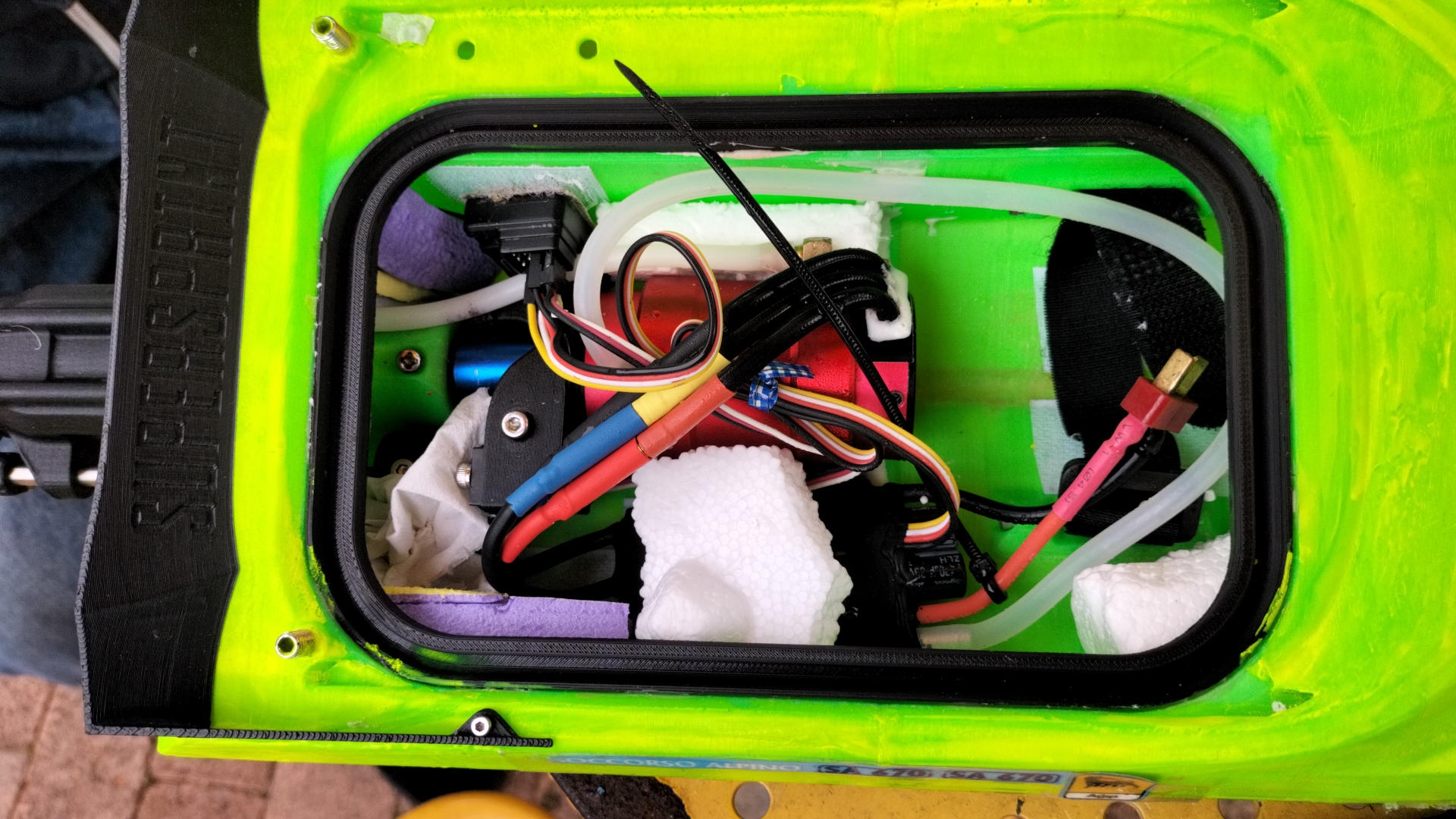
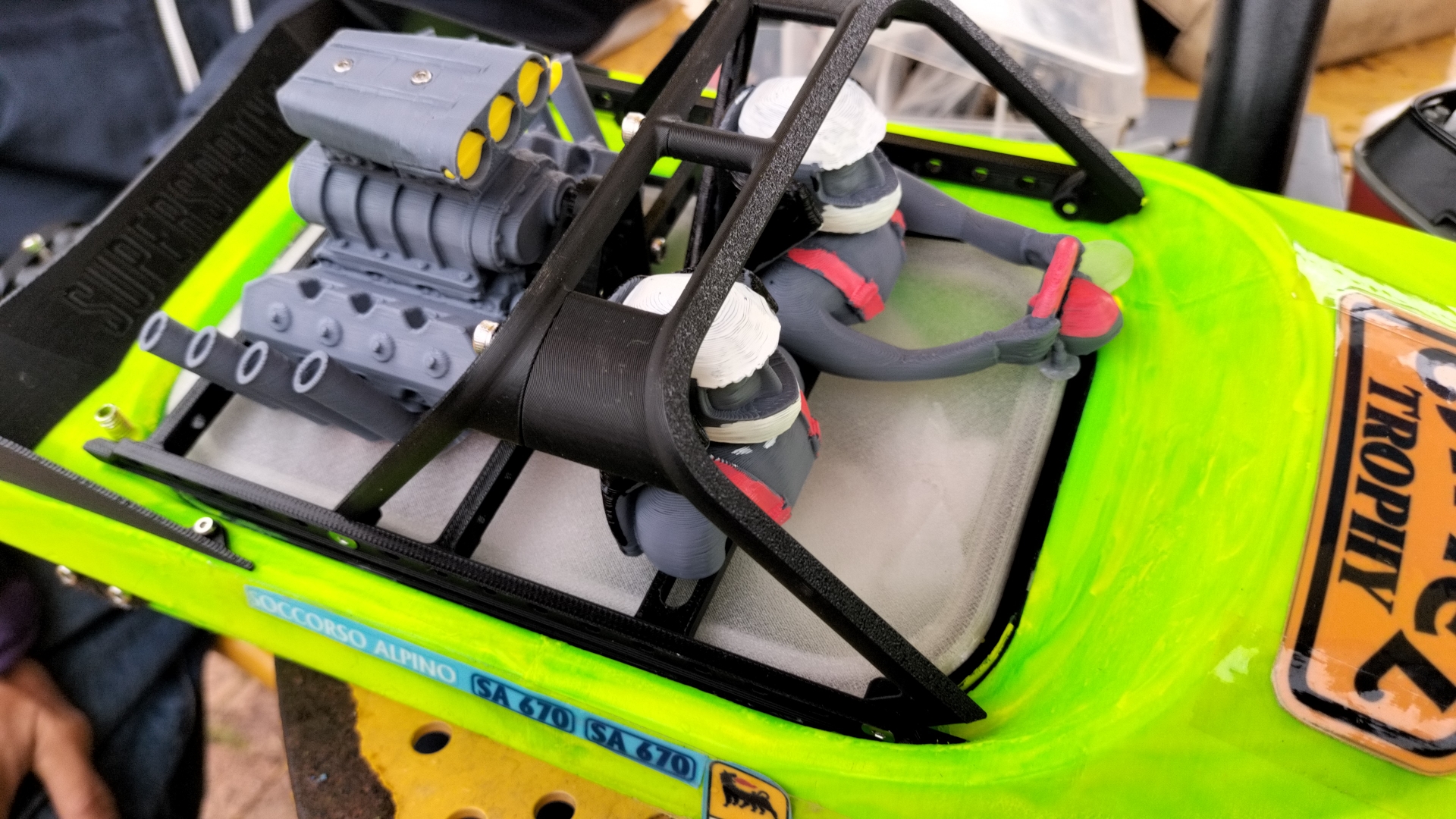
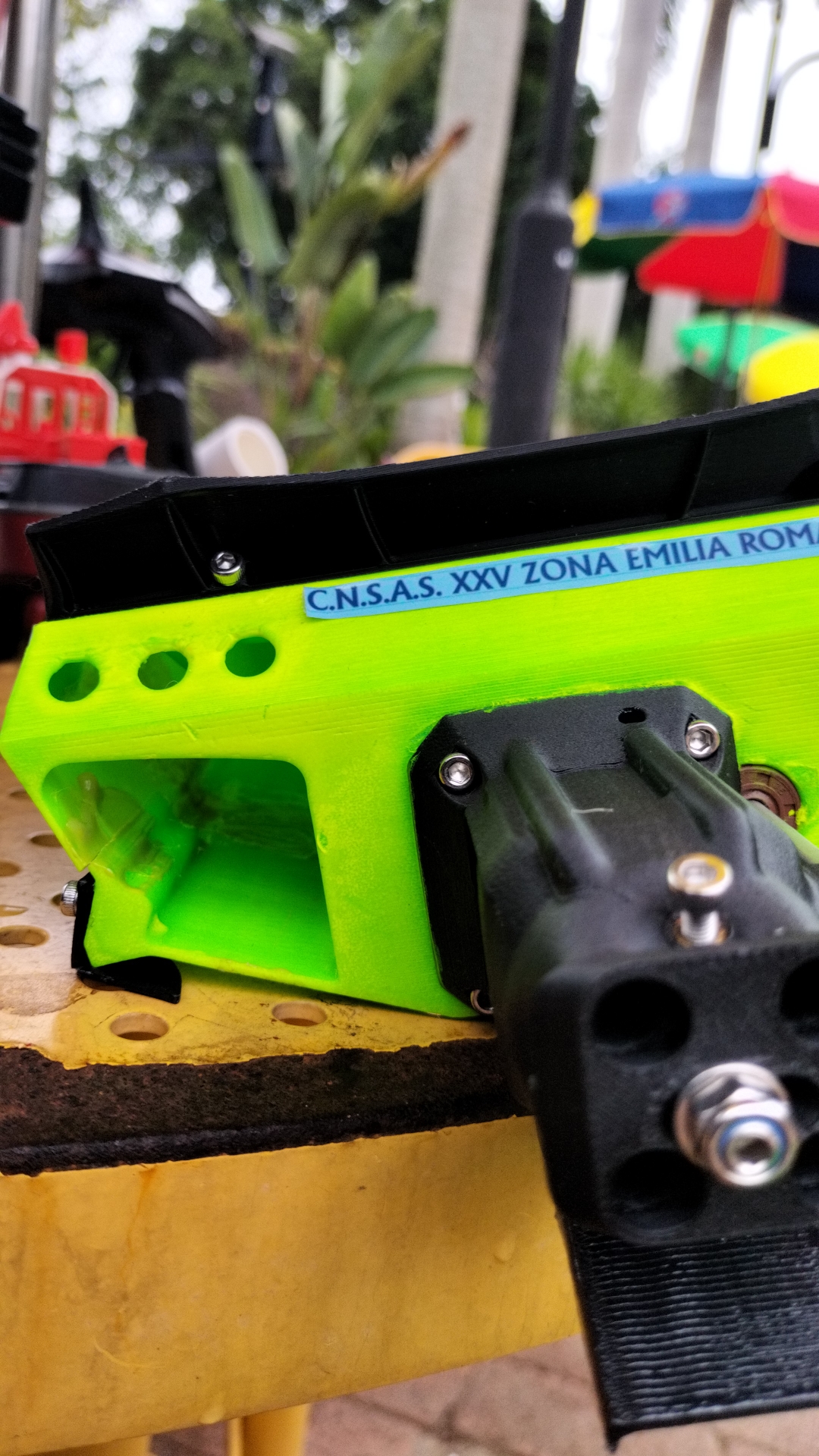
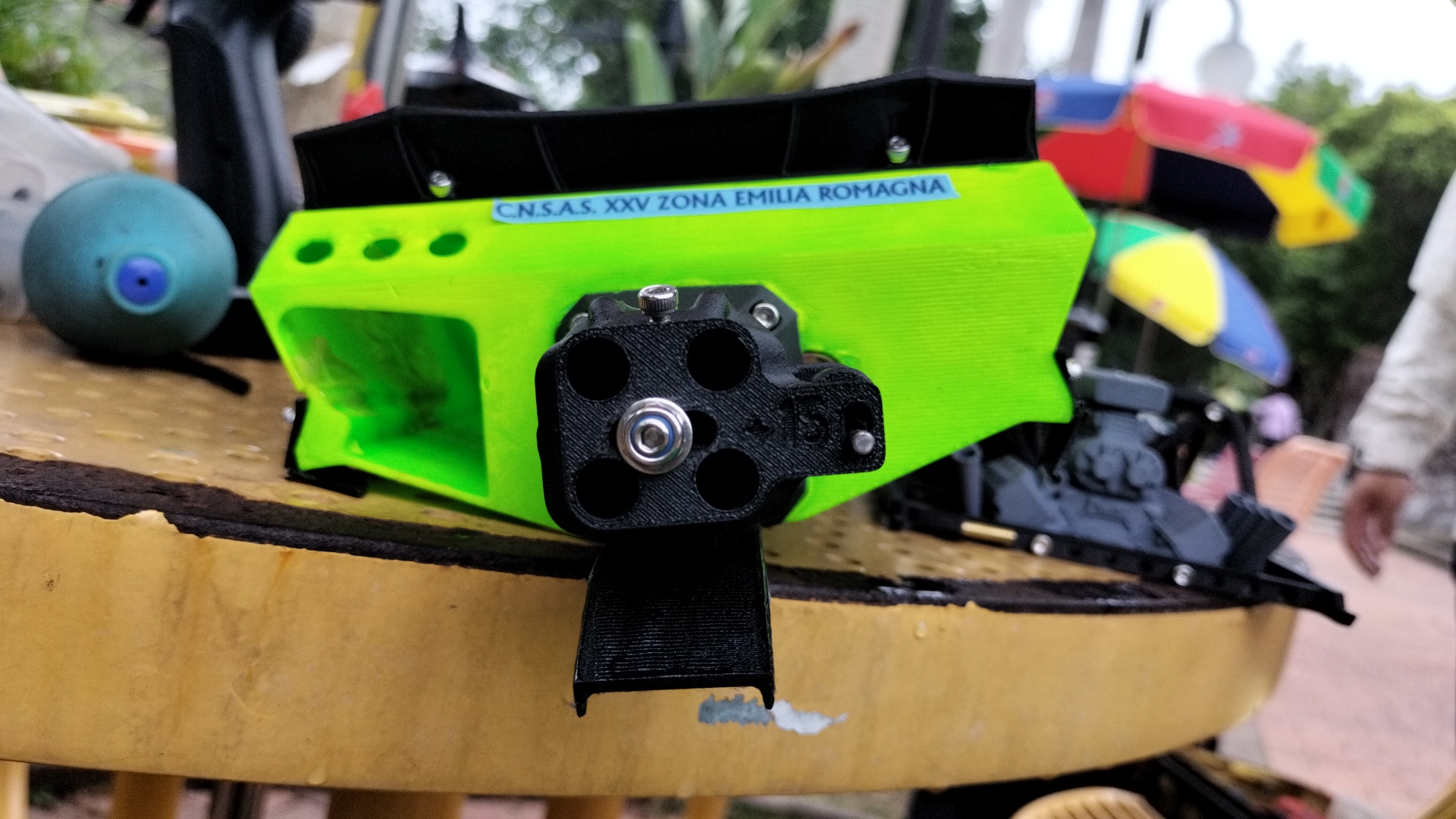
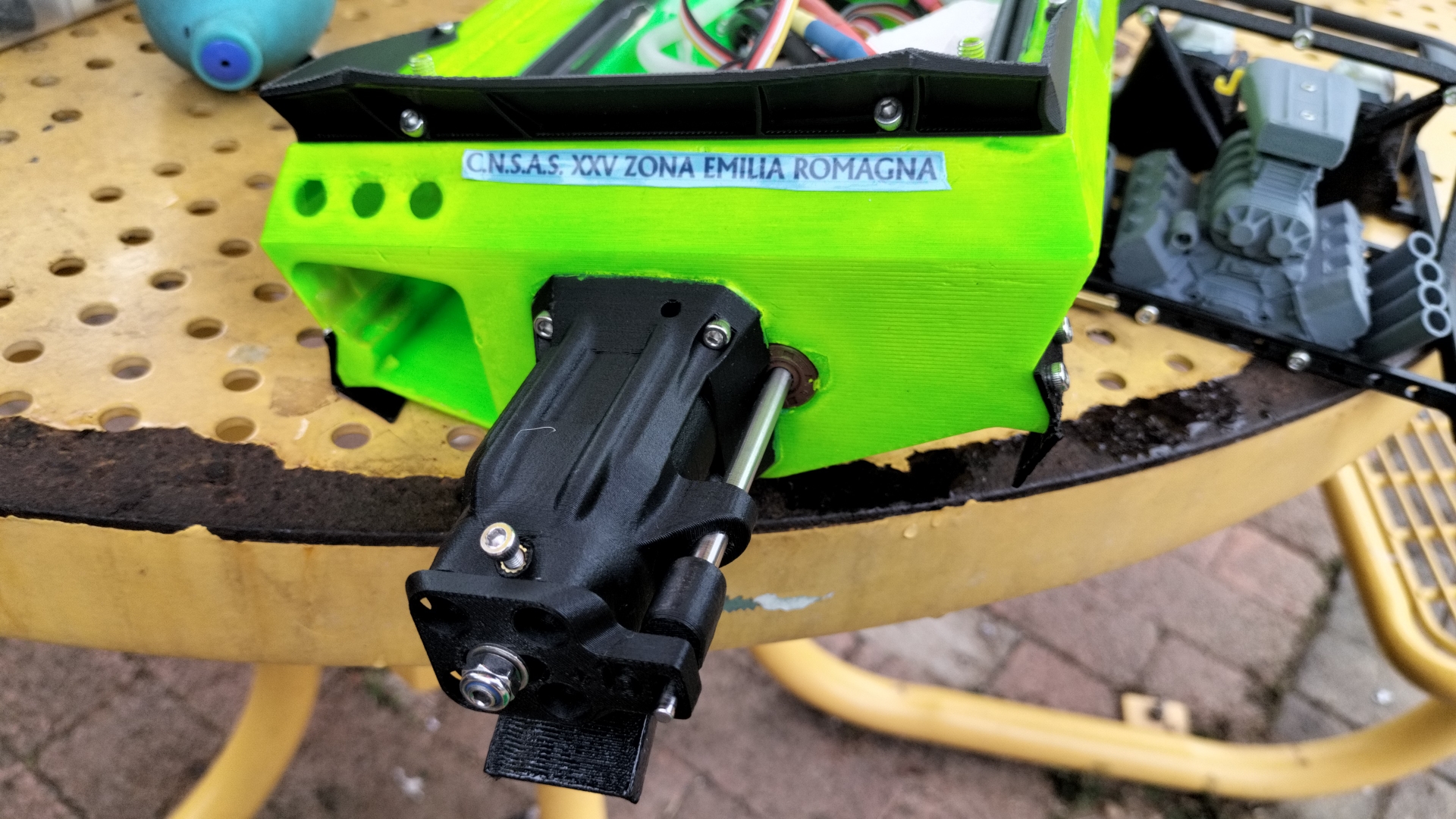
An RC boat jet pump is a propulsion system that uses water intake and expulsion to generate thrust, similar to full-sized jet boats. It consists of several key components working together to pull in water, accelerate it through an impeller, and force it out through a nozzle, creating forward motion.
At the front of the system, a water intake is positioned at the bottom of the hull, typically with a grate to prevent debris from entering. Water flows into this intake as the boat moves, or it is actively drawn in by the impeller. The impeller, which is a rotating blade housed within a cylindrical pump unit, is powered by a motor. As it spins at high speeds, it increases the velocity of the water, pushing it into a narrowing passage called the stator. The stator contains stationary vanes that help straighten and direct the water flow, improving efficiency by reducing turbulence and increasing thrust.
After passing through the stator, the high-speed water exits through a nozzle at the rear of the pump. This nozzle is often adjustable, allowing for directional control by pivoting left or right, which helps steer the boat. Some advanced jet pumps also include a reverse bucket, which can be lowered over the nozzle to redirect water forward, enabling braking or reversing.
Jet pump propulsion is particularly effective for shallow water navigation since it lacks an exposed propeller that could hit obstacles. It also provides strong acceleration and maneuverability, making it a popular choice for high-performance RC boats designed for agility and speed. However, jet pumps require precise engineering to maintain efficiency, as improper design can lead to excessive drag or cavitation, reducing performance.