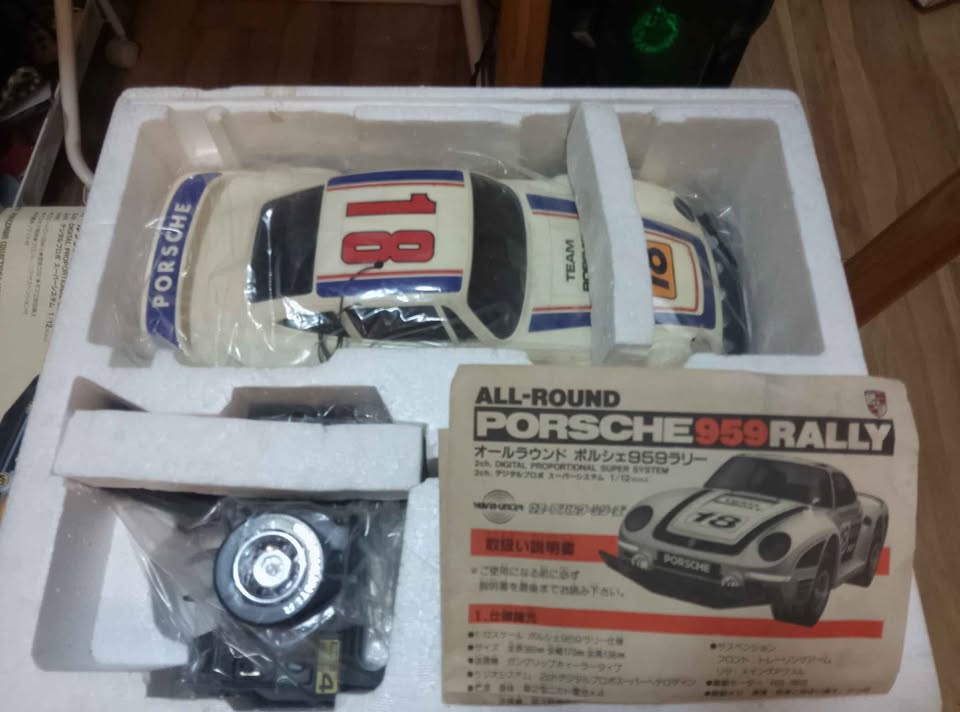

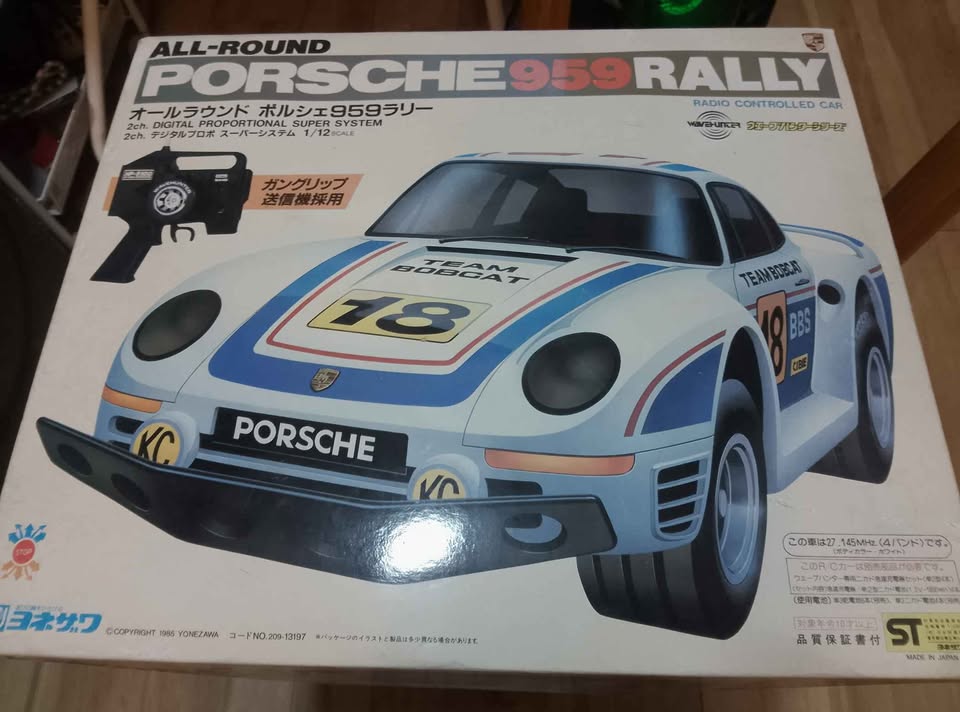
There’s a certain smell that hits you when you open a dusty cardboard box in a flea market or an old hobby shop. It’s a mix of aging paper, oxidized metal, and that distinct scent of 1980s plastic. And when you peel back the lid to reveal a faded wedge of yellow plastic shaped like a Porsche 935 or a battered buggy with a cracked rear wing, it’s not just a toy you’ve found—it’s a portal. For a growing number of enthusiasts, collecting vintage Japanese RC cars is more than a hobby; it’s a quest to reclaim a piece of their childhood and preserve a fascinating chapter of engineering and design. Whether it was the dream of owning a Tamiya Grasshopper or the memory of a Taiyo Jet Hopper ripping across the living room carpet, these machines are tiny time machines.
The late 1970s through the 1980s was an explosive era for radio-controlled cars. While the technology existed before, Japanese companies like Tamiya, Kyosho, Taiyo, and Nikko perfected it, bringing it into the mainstream. They didn’t just sell toys; they sold dreams. Tamiya, often called the Godfather of the hobby, revolutionized the market with their intricate kits. The box art alone—featuring wild illustrations of buggies jumping dunes—was enough to make a kid save up their allowance for months. On the other side of the spectrum, companies like Taiyo offered Ready-to-Run toys that were affordable and durable, bringing the magic of RC to the masses.
For collectors today, the fun begins with the hunt. Scouring online auctions, flea markets, and estate sales for that one elusive model, like the rare Taiyo Super Fight F1 which was only sold in Japan and Europe, is an adventure in itself. But finding a car is just the first chapter. After three or four decades, these machines are rarely in working order. The electronics are often fried, the plastic has yellowed from UV exposure, and the decals are peeling. This is where the real passion kicks in. Restoring these cars is a labor of love blending detective work, mechanical skill, and artistic patience. Dedicated hobbyists spend hours carefully disassembling crusty gearboxes, sourcing new old stock parts, and fabricating new pieces. They often employ techniques like using hydrogen peroxide and UV light to reverse the yellowing of the plastic, or they become graphic designers to scan, recreate, and print new stickers when replacements are impossible to find. Bringing a dead classic back to life is incredibly satisfying. There is a moment, after weeks of work, when you finally install a modern receiver, squeeze the trigger on the controller, and hear that familiar electric whirr for the first time in a generation.
One of the most beautiful aspects of this hobby is that it’s not a solitary one. The passion for vintage Japanese RC has spawned a global community that is warm, welcoming, and incredibly active. In Japan, the heart of the culture, events are thriving. Enthusiasts gather for meetups where you might see legendary drivers take a vintage Yokomo for a spin on a dirt track. There are RC Picnics held near lakes, blending the love of old cars with camping and the outdoors. Even Tamiya itself celebrates its heritage with events where historically significant machines, usually only seen in a museum, are taken out and run hard. These events aren’t about who has the most pristine car. They are about sharing stories, the joy of seeing a 1970s sidecar racer wobble around a track, and comparing the patina on two well-loved chassis.
If you don’t have the time or skill to restore a forty-year-old original, there’s never been a better time to be a fan. Manufacturers have realized the power of nostalgia. Tamiya frequently re-releases their classic kits like The Hornet, The Frog, The Grasshopper, and the comical Lunchbox, often in packaging that replicates the original box art. There is something uniquely satisfying about building one of these kits as an adult. You slow down, you clip the pieces from the sprue, and you relive the patience you never had as a kid. When you finally take that brand-new-but-old-school buggy outside and hear the motor whirr, it is pure time travel.
Ultimately, collecting vintage Japanese RC cars isn’t about the monetary value. It’s about the stories they tell, the bold optimistic design language of 80s Japan, and the engineering ingenuity that laid the groundwork for the high-tech hobby we have today. For some, it is finally owning the car they circled in the magazine as a kid. For others, it is the challenge of the restoration. And for many, it is the camaraderie found at a dusty track or an online forum, sharing a passion with people who get just as excited about a specific screwdriver or a new old stock decal sheet. So whether you are digging through your parents’ attic or browsing auction sites, keep an eye out for that old piece of plastic. It might just be waiting for a second chance to run. And trust me, it’s every bit as fun as you remember.