

If you’ve been exploring 4WD RC cars, you’ve probably noticed that some models use two motors—one driving the front wheels and another driving the rear. At first glance, this sounds like double the power and performance. But is running a dual-motor setup actually a good idea for your build? Let’s dig into the pros and cons.
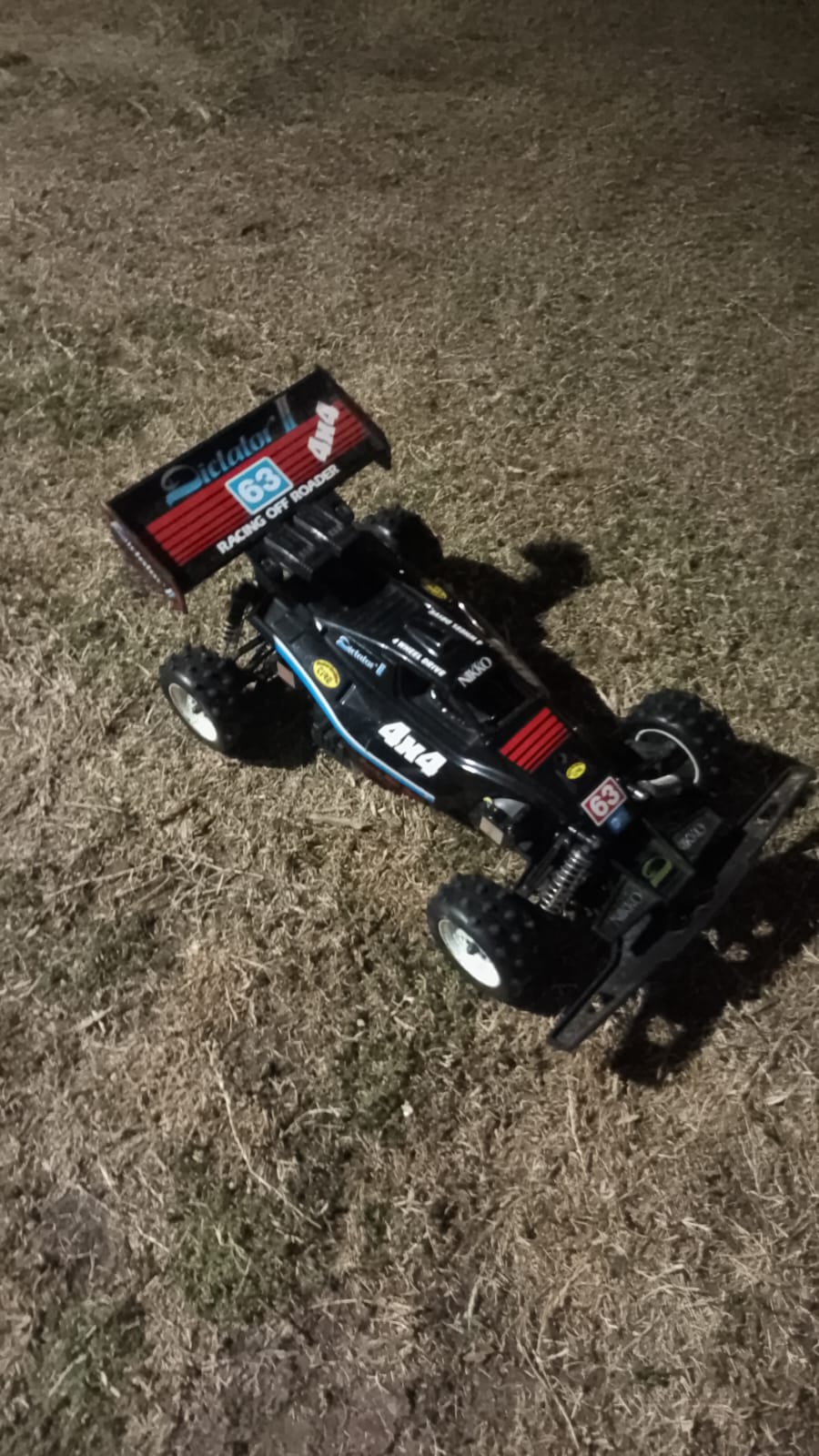

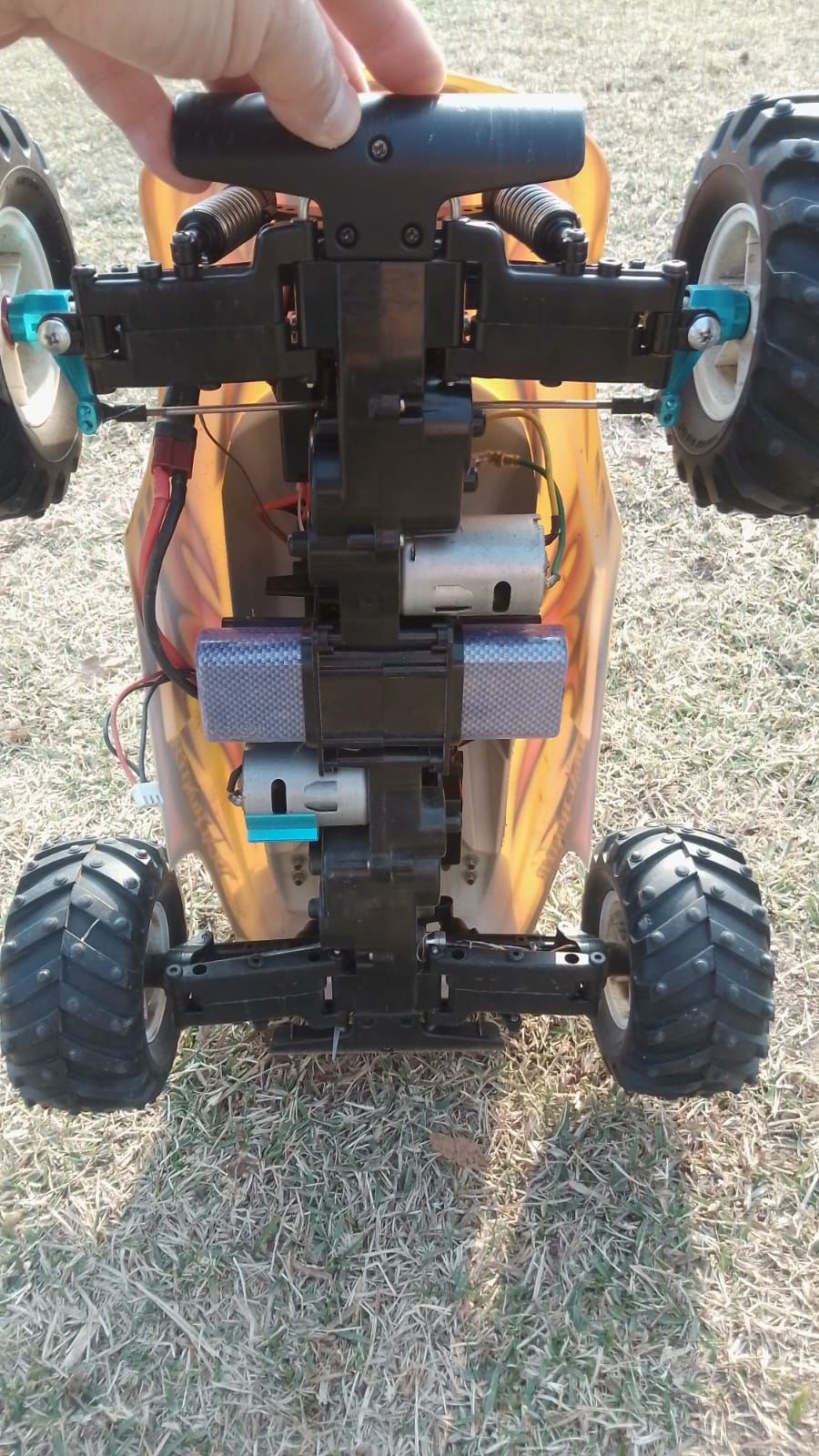
In a traditional 4WD RC car, a single motor sends power through a central drivetrain, usually with a driveshaft splitting torque between front and rear differentials. In a dual-motor setup, each axle gets its own motor—one driving the front wheels, and one driving the rear. These are typically wired in parallel to the same ESC (Electronic Speed Controller) or in some cases, to separate ESCs for independent control.
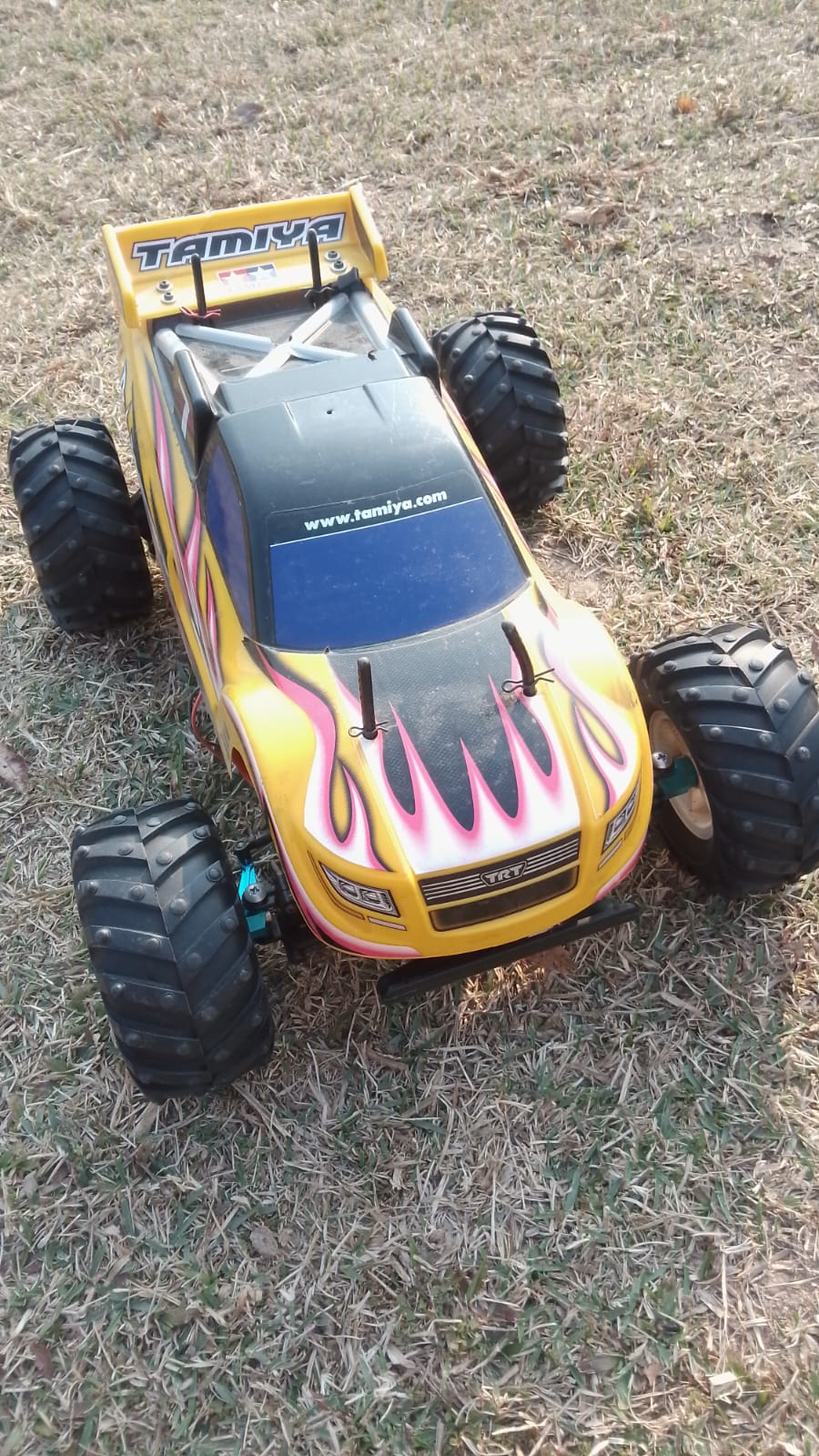
✅ The Advantages of Dual-Motor 4WD
1. Simpler Drivetrain Design
With a motor at each end, the need for a central driveshaft and multiple gears can be eliminated. Fewer mechanical parts mean less friction loss, lower maintenance, and simpler assembly.
2. Balanced Power Distribution
Each motor directly powers its wheels, which can help distribute torque more evenly between the front and rear. This can improve traction, especially on loose surfaces such as sand, gravel, or snow.
3. Redundancy and Reliability
If one motor or drivetrain fails mid-run, the other can sometimes keep the vehicle moving—though at reduced performance. This can be appreciated in off-road conditions or long bashing sessions.
4. Easy Upgrade Path
Want more front-end pull for sharper cornering? Swap in a slightly higher RPM front motor. Need better climbing torque? Upgrade the rear motor to one with stronger low-end torque. Mixing and matching can provide a custom handling profile.
❌ The Downsides of a Dual-Motor System
1. Weight and Efficiency Issues
Two motors mean extra weight at both ends and potentially higher power consumption. This can slightly lower overall efficiency, reduce battery life, and affect the vehicle’s balance.
2. Synchronization Problems
Even small differences in motor characteristics can cause torque imbalance. One end may pull harder than the other, leading to understeer, oversteer, or drivetrain stress. Matching motor specs is crucial but rarely perfect in real-world use.
3. Complex Wiring and ESC Setup
Running two ESCs (if not a shared one) adds wiring complexity. Managing throttle calibration, braking behavior, and power distribution can require fine-tuning—something beginners may find challenging.
4. Heat Management
With two motors working hard, heat buildup can become an issue, especially in enclosed chassis designs. This often requires additional cooling or spacing considerations.
If you’re building a crawler, monster truck, or a vehicle focused on traction over speed, dual-motor setups can offer superior torque control and durability on tough terrain. But for high-speed racers or lightweight buggies, a well-tuned single-motor 4WD system usually performs better, is easier to maintain, and runs more efficiently.


