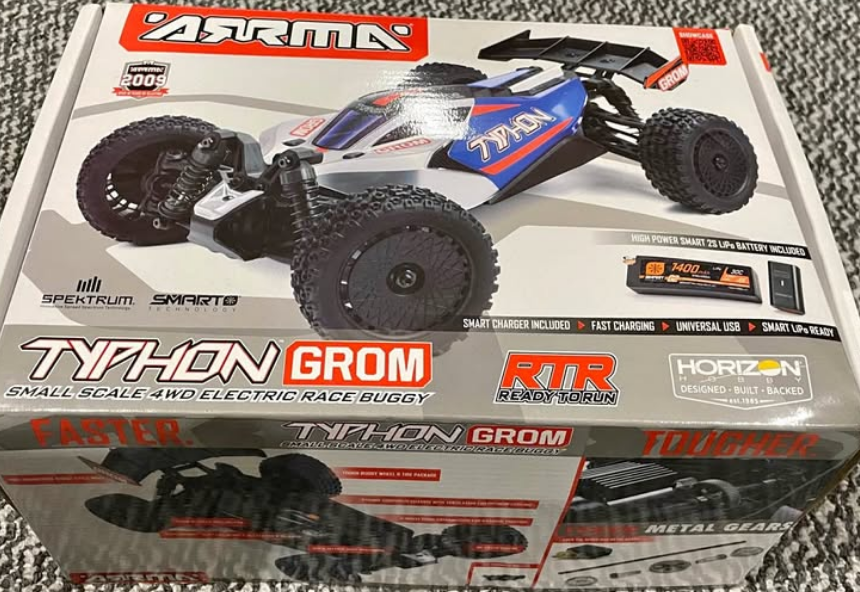
Small-scale race buggies are becoming more popular because they fit the modern RC racing lifestyle better than ever before. What was once considered a niche or beginner category has evolved into a serious racing segment that appeals to new drivers, experienced racers, clubs, and families alike.
One of the biggest reasons for this growth is cost. Large-scale race classes can be expensive to enter and maintain, with high-priced kits, electronics, tires, and frequent repairs. Small-scale buggies dramatically reduce those expenses. The vehicles cost less to purchase, parts are cheaper to replace, and crashes tend to cause less damage. This lower financial barrier allows more people to participate without feeling priced out of the hobby.
Track accessibility has also played a major role. Small-scale buggies do not require large outdoor facilities, making them ideal for indoor tracks, community centers, gymnasiums, and compact club layouts. As space becomes more limited and expensive, clubs find it easier to build and maintain tracks designed for smaller vehicles. This flexibility has helped keep racing alive in areas where full-size tracks would be impractical.
From a racing perspective, small-scale buggies offer closer, more exciting competition. Because the cars are lighter and slightly slower, races tend to be tighter and more skill-driven. Driver control, consistency, and racecraft matter more than raw power. Mistakes are less punishing, allowing racers to recover and stay competitive throughout a heat. Many drivers find this style of racing more engaging and rewarding.
Advances in technology have also transformed small-scale racing. Modern small-scale buggies now feature oil-filled shocks, adjustable suspension geometry, proper differentials, brushless motors, and LiPo batteries. These improvements give them the feel of true race machines rather than toy-grade models. The driving experience closely mirrors larger-scale buggies, just in a more compact and manageable format.
Another key factor is year-round racing. Small-scale buggies thrive indoors, allowing clubs to host events regardless of weather conditions. This consistency keeps racers engaged throughout the year and helps build stronger racing communities. Indoor racing also attracts casual hobbyists who may not want to commit to weather-dependent outdoor events.
For new drivers, small-scale buggies provide a gentler learning curve. The reduced speed and lighter weight make them less intimidating, while lower repair costs encourage experimentation and practice. Beginners can focus on improving their skills without the fear of costly mistakes, which keeps them motivated and involved longer.
Families and younger racers have also embraced small-scale classes. Parents appreciate the affordability, safety, and ease of transport, while younger drivers can become competitive more quickly. This has contributed to the growth of youth racing programs, which play a critical role in sustaining the future of the hobby.
Social media has further amplified the popularity of small-scale racing. Compact tracks, close battles, and scaled-down jumps look exciting on video and are easy to film. Home-built tracks and micro-racing clips perform especially well online, drawing more attention to the category and inspiring others to try it.
Convenience is another major appeal. Small-scale buggies require less equipment, fewer tools, and minimal pit space. Everything fits into a small bag, setup time is shorter, and battery charging is quick. For racers with busy schedules, this simplicity makes it much easier to stay active in the hobby.
Ultimately, small-scale race buggies are growing in popularity because they bring the fun back into RC racing. They reduce pressure, lower costs, and emphasize skill and enjoyment over excess. While they are not replacing larger-scale racing, they are redefining what accessible, competitive, and sustainable RC racing looks like for the future.