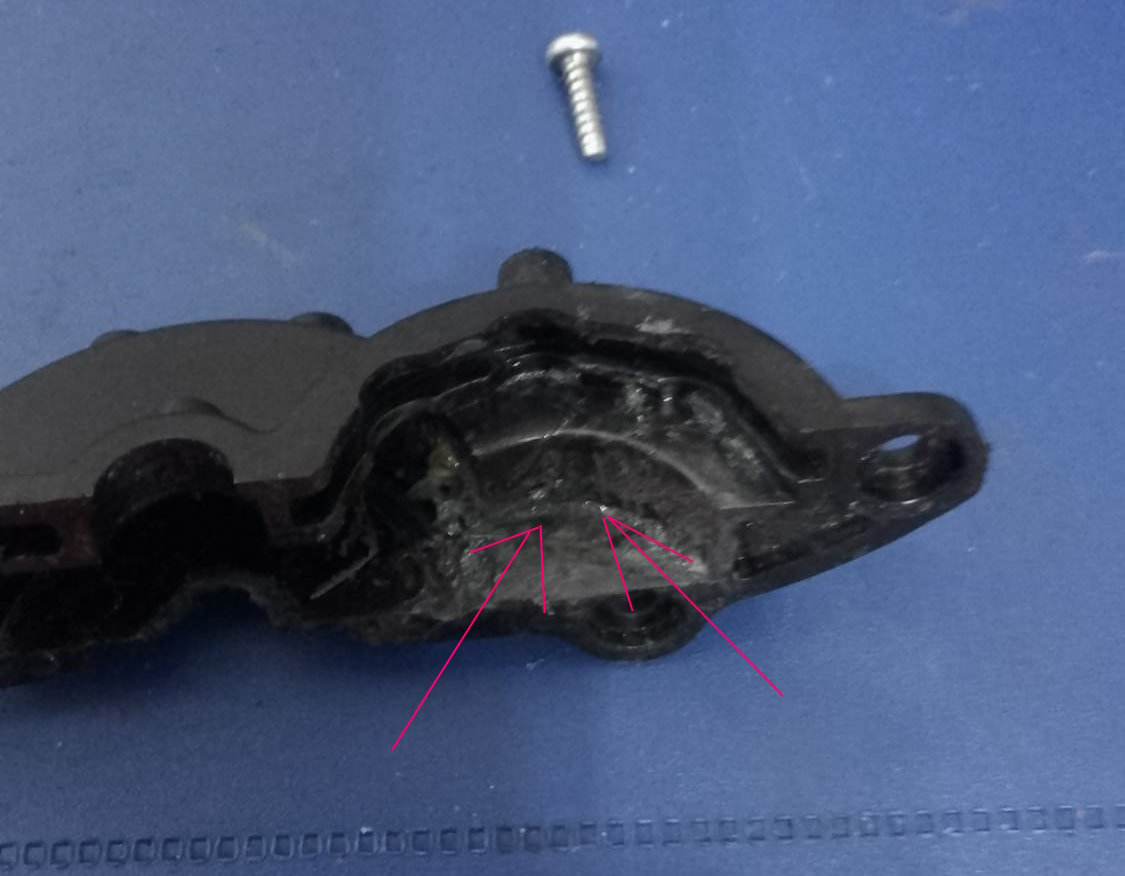
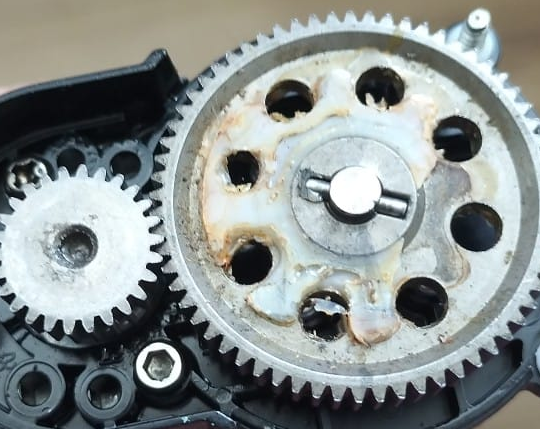
Yes, metal RC car gears are generally SLIGHTLY noisier than plastic gears, although this is often a trade-off for strength and durability. The main reason for the increased noise is that metal gears have a much harder contact surface. Unlike plastic, which naturally absorbs some vibration and softens the gear mesh, metal transmits vibrations directly, creating a sharper mechanical sound when the gears engage.
Another factor contributing to the noise is the precision and tight tolerances typically found in metal gear trains. Because metal gears are designed to handle more power and torque, especially in high-performance brushless setups, they’re often cut to run tightly with little room for error. This tight mesh tends to amplify gear whine, especially under acceleration or braking. In contrast, plastic gears often have a bit of natural flexibility that helps dampen the sound.
Metal gears are also heavier, and this extra mass creates more rotational inertia. When speed changes rapidly, such as during hard acceleration or deceleration, the heavier components produce more mechanical noise than their lighter plastic counterparts.
Despite the SLIGHTLY increased noise, metal gears are widely used because they offer significant advantages. They can handle more torque, resist wear better, and won’t strip under load like plastic gears might. That’s why you’ll find metal gears in high-power applications like bashers, crawlers, and competition RC cars.
However, the noise from metal gears can be reduced significantly with proper setup. Ensuring correct gear mesh is critical—too tight and the gears whine and wear quickly; too loose and they can chatter or skip. WHEN MESHING IS PROPERLY DONE, THE NOISE WILL BE NEGLIGIBLE!
Applying a thick, tacky lubricant such as molybdenum or lithium-based grease helps to cushion the contact points and quiet the mesh. Gears can also be broken in using a lapping process, where you run them gently under low load with a fine abrasive paste (like toothpaste) to smooth out microscopic imperfections. Using sound-dampening materials such as foam pads, stiffer covers, or rubber motor mounts can also help reduce the transmission of noise through the chassis.