
Catching the Wind: Why RC Sailboating is Pure Zen on the Water
Most of the RC world is obsessed with speed. Whether it’s cars, planes, or powerboats, the chase is usually about who can go faster, turn tighter, and push the limits of what the gear can handle. But step onto the shore with an RC sailboat in your hands, and the vibe changes completely. RC sailboating isn’t about raw speed—it’s about rhythm, patience, and the quiet thrill of working with nature instead of against it.
The first time you ease a sailboat onto the water, you realize how different it feels from firing up a motor. There’s no throttle scream, no whirring gears—just silence. You set the sails, feel the tug of the wind on the rig, and suddenly your little boat is alive, gliding across the pond with nothing but air moving it along. It’s oddly calming, almost meditative.
But don’t mistake calm for boring. RC sailing is full of strategy. The wind never blows the same way twice, and every tack and jibe is a little puzzle to solve. Do you cut close to the wind and risk stalling, or play it safe with a broad reach and let the speed build gradually? Even just sailing a triangle around a buoy can keep you hooked for an afternoon. And if you ever get into racing, you’ll discover how intense it gets—sailors reading gusts, fighting for the best line, and pulling off smart maneuvers with nothing more than rudder and sheet control.
What’s great is how accessible it is. A simple ready-to-sail kit can get you on the water in no time, and the learning curve is friendly. Beginners can cruise around a pond with minimal setup, while experienced sailors dive deep into trimming sails, balancing ballast, and fine-tuning rigs. It’s one of those hobbies where you can enjoy it casually, then slowly fall down the rabbit hole of tuning and technique without even realizing it.
And then there’s the atmosphere. RC sailboating has this wonderful mix of relaxation and community. Gather at a local lake with a few other skippers, and suddenly it’s a social event—people chatting, comparing setups, maybe racing a short course, all while soaking up the fresh air. It’s less “in your face” than other RC activities, but every bit as rewarding.
At the end of the day, RC sailboating is about connection—to the water, to the wind, and to a slower pace of RC fun that a lot of us forget exists. If you’ve never tried it, grab a sailboat, head to the pond, and let the wind take over. You’ll be surprised how addictive it can be, and how quickly you’ll start watching the sky for signs of the next perfect sailing day.
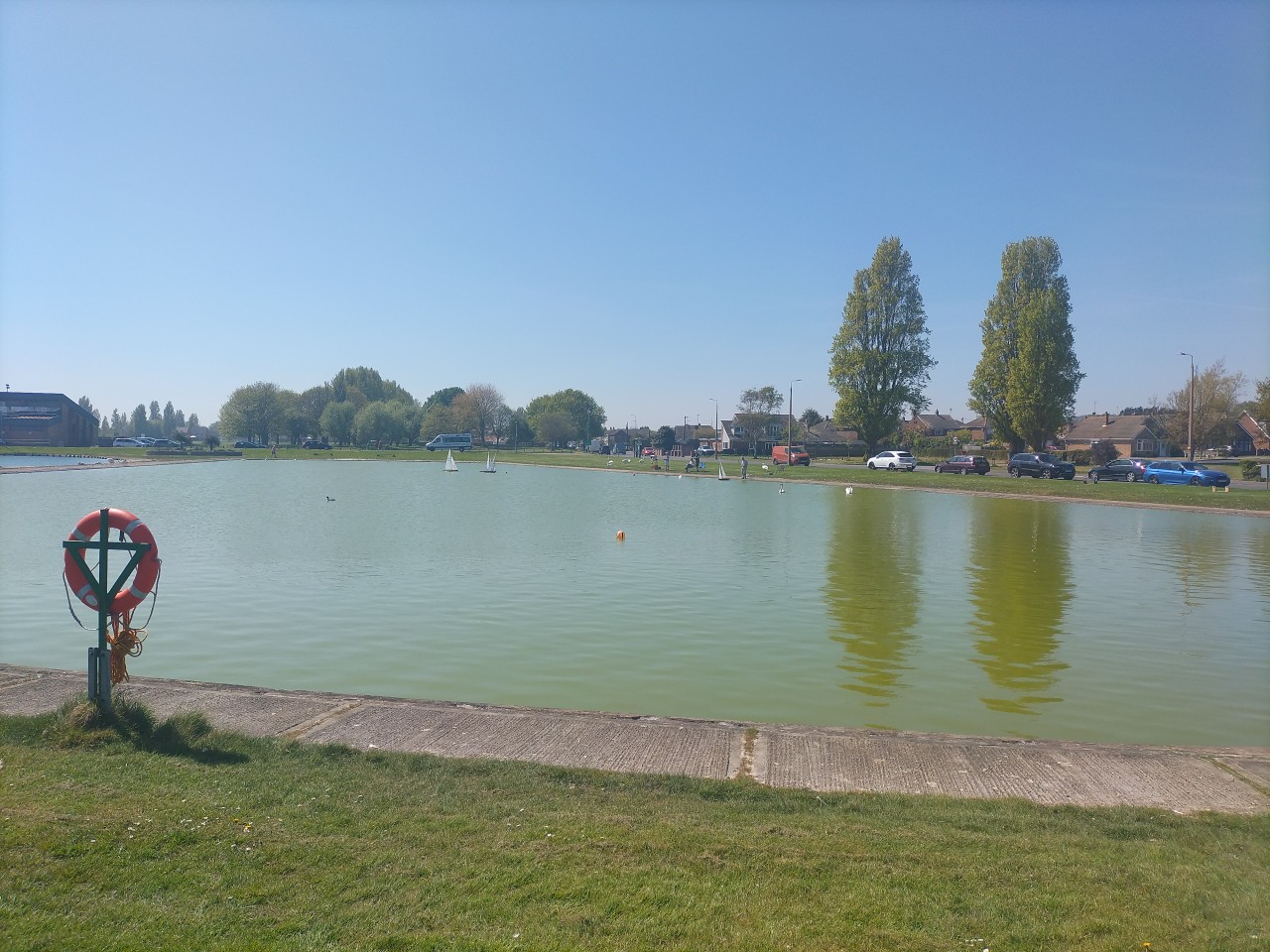
Much like full-sized sailboats, RC sailboat models rely entirely on wind for propulsion, using adjustable sails and a rudder to navigate through the water. What makes RC sailboats especially appealing to hobbyists is the combination of realistic sailing dynamics, elegant design, and the skill required to control them effectively.
At the heart of an RC sailboat is its hull—the main body that supports the mast and boom, which in turn hold the sails. The sails, usually consisting of a mainsail and a jib, are adjusted by servo motors that respond to the user’s remote commands. Another servo controls the rudder, allowing the sailor to steer the boat. Beneath the hull, a keel with a weighted ballast provides stability and helps the boat resist tipping over in strong winds.