
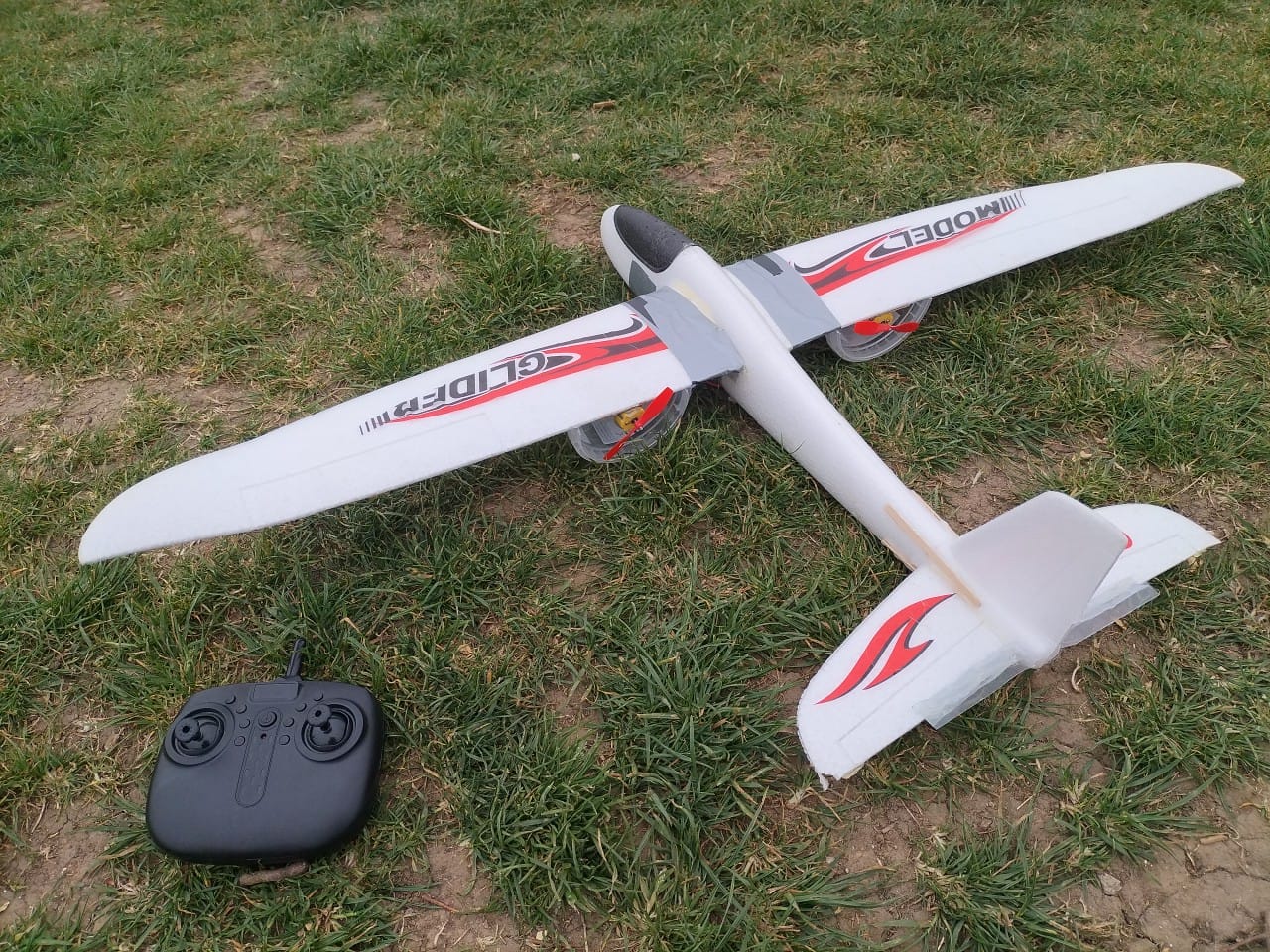
The props can damage during crash landing. Adding a protective shell can prevent such damage.
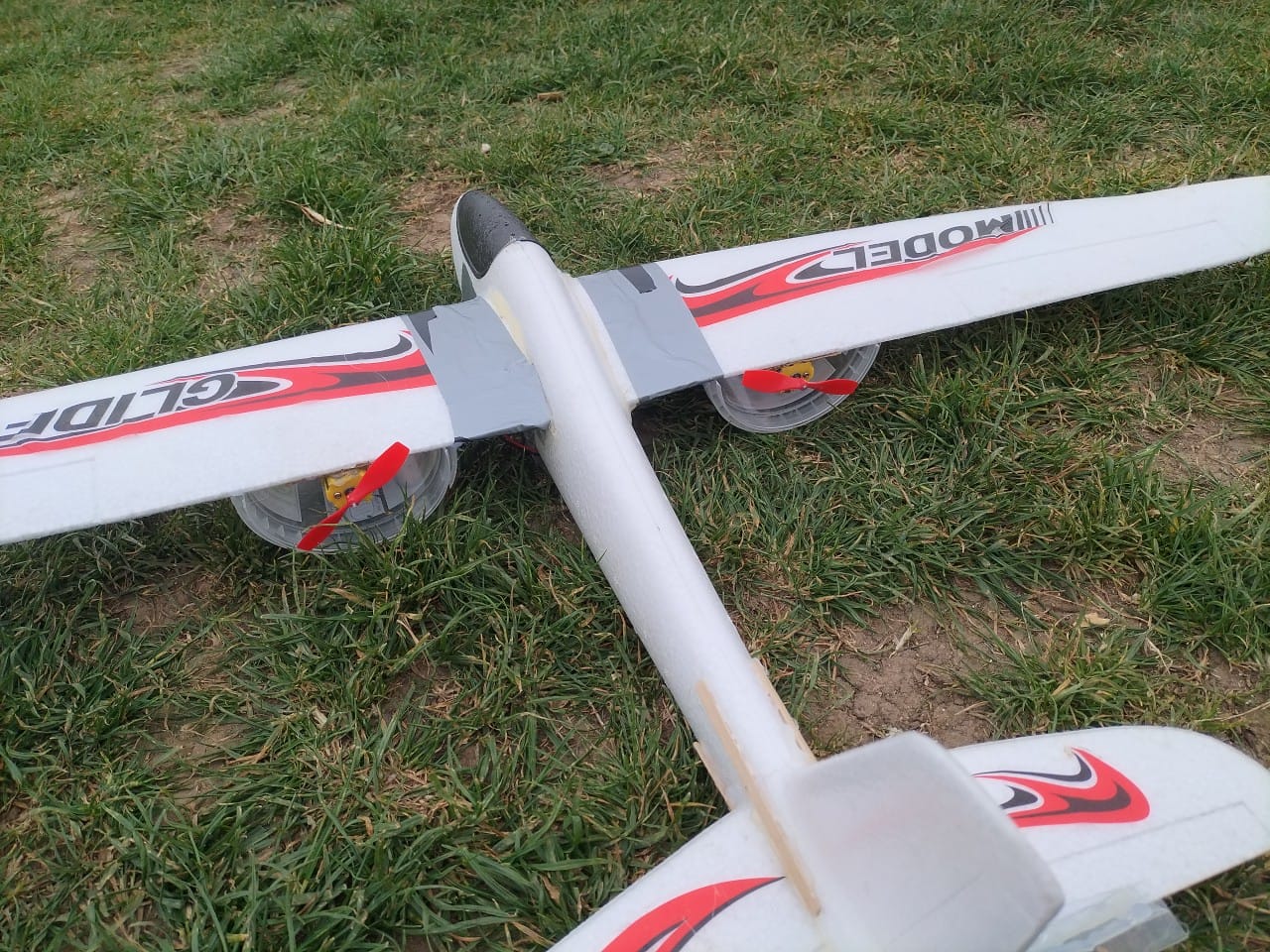
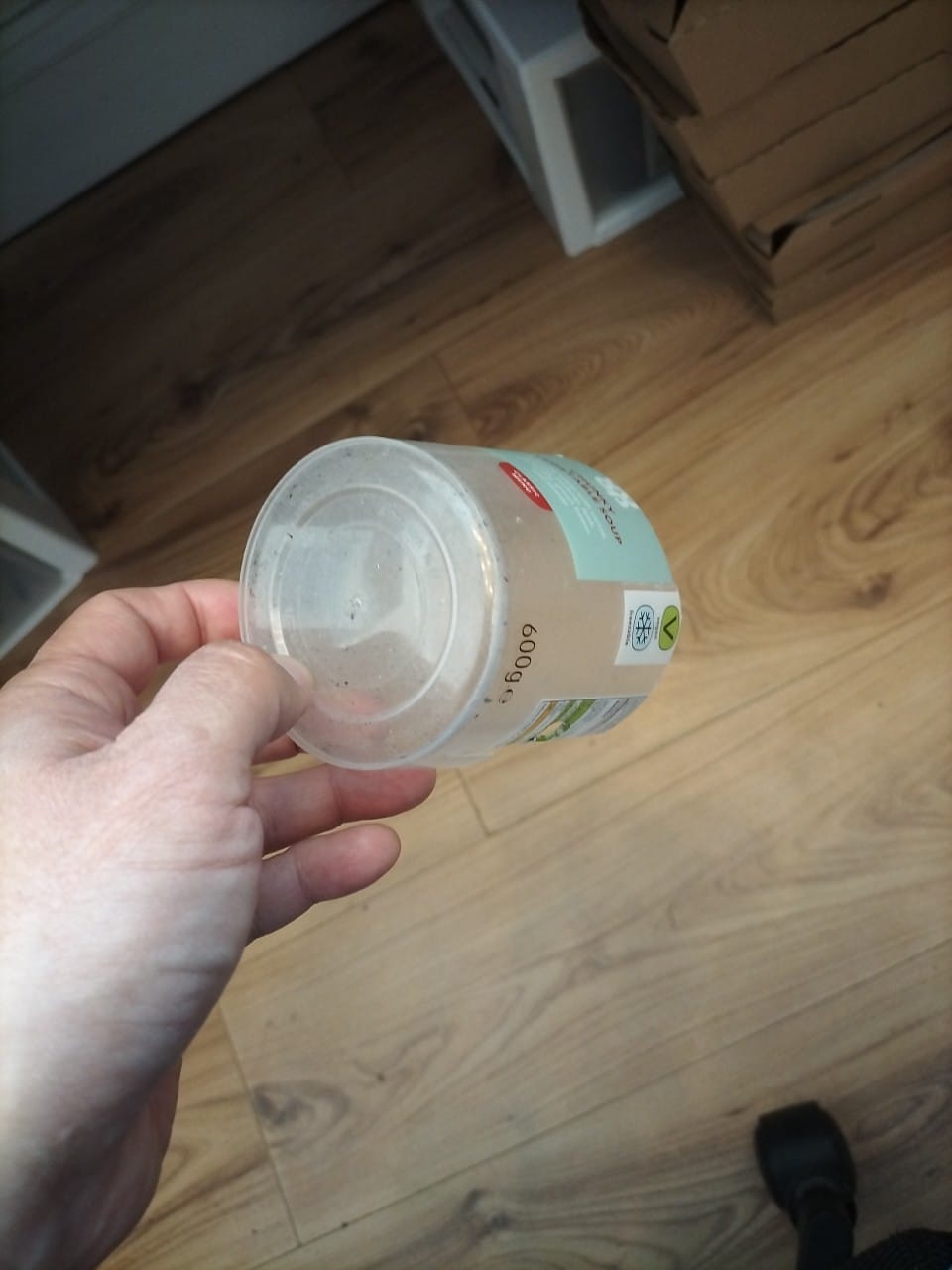
Any light weight plastic container will do….
Glider propellers are deceptively fragile. Even though they look simple, they take a lot of punishment in their day-to-day life, and there are several ways they can get damaged.
1. Hard Landings
The most common culprit is a hard landing. If your glider nose-dives into grass, gravel, or pavement, the prop can hit the ground directly. Even small impacts can bend, crack, or chip the blades, especially if you’re using lightweight plastic or composite props.
2. Debris and Obstacles
Flying through tall grass, sticks, or sand can wreak havoc. Even tiny rocks hitting the spinning prop at high speed can nick the edges or create stress points that eventually lead to cracks. That’s why some hobbyists prefer to launch and land on smooth turf or runways whenever possible.
3. Propeller Strikes During Storage or Transport
Sometimes the damage happens off the field. Props can easily get bent or nicked if you toss your glider into a car trunk, backpack, or crowded workbench without protection. Even a minor bend can reduce efficiency or introduce vibrations during flight.
4. Over-Revving or Motor Misalignment
If you’re using a powered glider, running the prop at too high an RPM for the material or with a misaligned motor shaft can cause warping, cracking, or even sudden failure. Thin plastic props are particularly sensitive to high speeds.
5. Material Fatigue
Over time, repeated flexing and exposure to sunlight or temperature changes can weaken the prop. UV exposure can make plastic brittle, while repeated stress cycles from launches and motor thrust can cause micro-cracks that eventually fail.
6. Improper Installation
If a prop isn’t seated properly on the hub or shaft, it can wobble. That wobble leads to uneven forces and vibration, which eventually chips or cracks the blades.
Preventing Prop Damage
-
Always inspect the prop before each flight.
-
Launch and land on smooth, clean surfaces.
-
Protect props during transport with covers or foam.
-
Use the right prop material for your glider type—plastic, carbon fiber, or composite.
-
Ensure the motor or thrust assembly is properly aligned.
In short, glider prop damage usually comes from impact, stress, or material fatigue, but with careful handling and inspection, you can dramatically extend the life of your props.