

When flying an RC glider, making a sharp turn can significantly increase the area of the wing exposed to the wind, making the glider more vulnerable to being blown away by strong winds. This effect is due to the interaction between aerodynamic forces and wind resistance.
During normal flight, the wings are mostly parallel to the direction of travel, minimizing their exposure to crosswinds. However, when the glider makes a sharp turn:
- Increased Exposed Surface Area: As the glider banks (tilts) into the turn, the wings present a larger surface area to the wind. If the turn is too steep, the glider may temporarily face the wind broadside, exposing a greater portion of the wing and fuselage.
- Higher Wind Force on the Glider: Wind applies more force to a larger exposed area, making it easier for the glider to be pushed off course or even carried away if the wind is strong. The crosswind component becomes more effective at altering the glider’s trajectory, making it harder to maintain controlled flight.
- Loss of Forward Speed and Lift Reduction: In an extreme turn, the glider may lose some forward airspeed because wind resistance (drag) increases. If the airspeed drops too much, the lift generated by the wings can decrease, causing the glider to sink or even stall.
In calm conditions, small corrections can stabilize the glider after a turn. However, in strong winds:
- If the glider is too exposed, it may be carried downwind faster than the pilot can correct.
- If the wind suddenly shifts, the glider might become uncontrollable, making it difficult to regain the intended flight path.
- A lightweight glider is more vulnerable since it lacks the inertia to resist wind forces effectively.
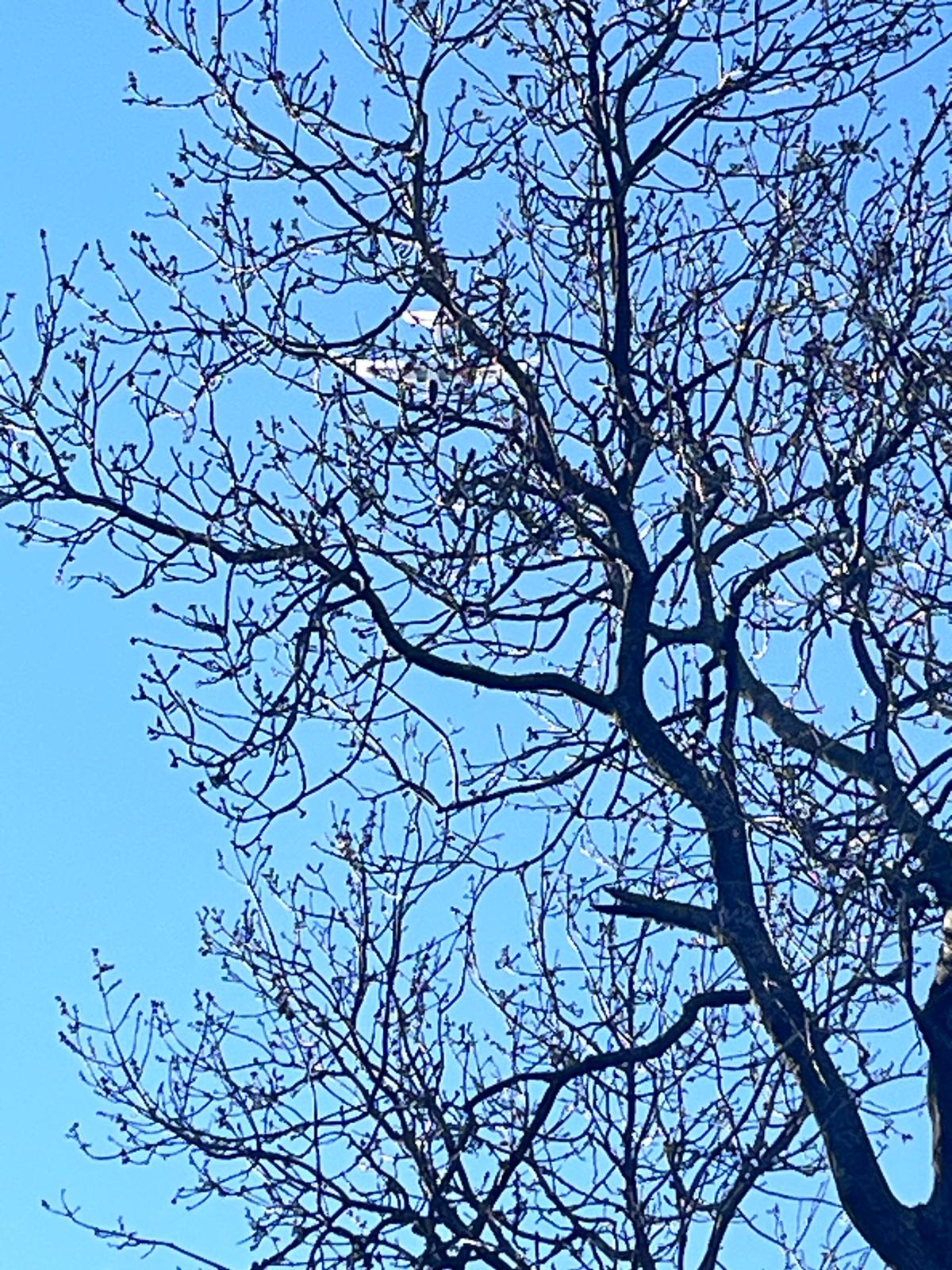
The worst thing that can happen is when the glider is blown to the tree top and stuck in there:


How to Avoid Being Blown Away:
- Make gradual, controlled turns to minimize excessive exposure to crosswinds.
- Keep airspeed up during turns to maintain better control and counteract wind forces.
- Adjust rudder and ailerons smoothly to prevent excessive banking that could lead to unwanted drift.
- Be aware of wind direction and plan turns accordingly to minimize exposure to strong gusts.
Total Views: 284 ,
Categories: