
Why would I still use brushed motor on a RC boat? Water tolerance is defintiely one of my main concerns.
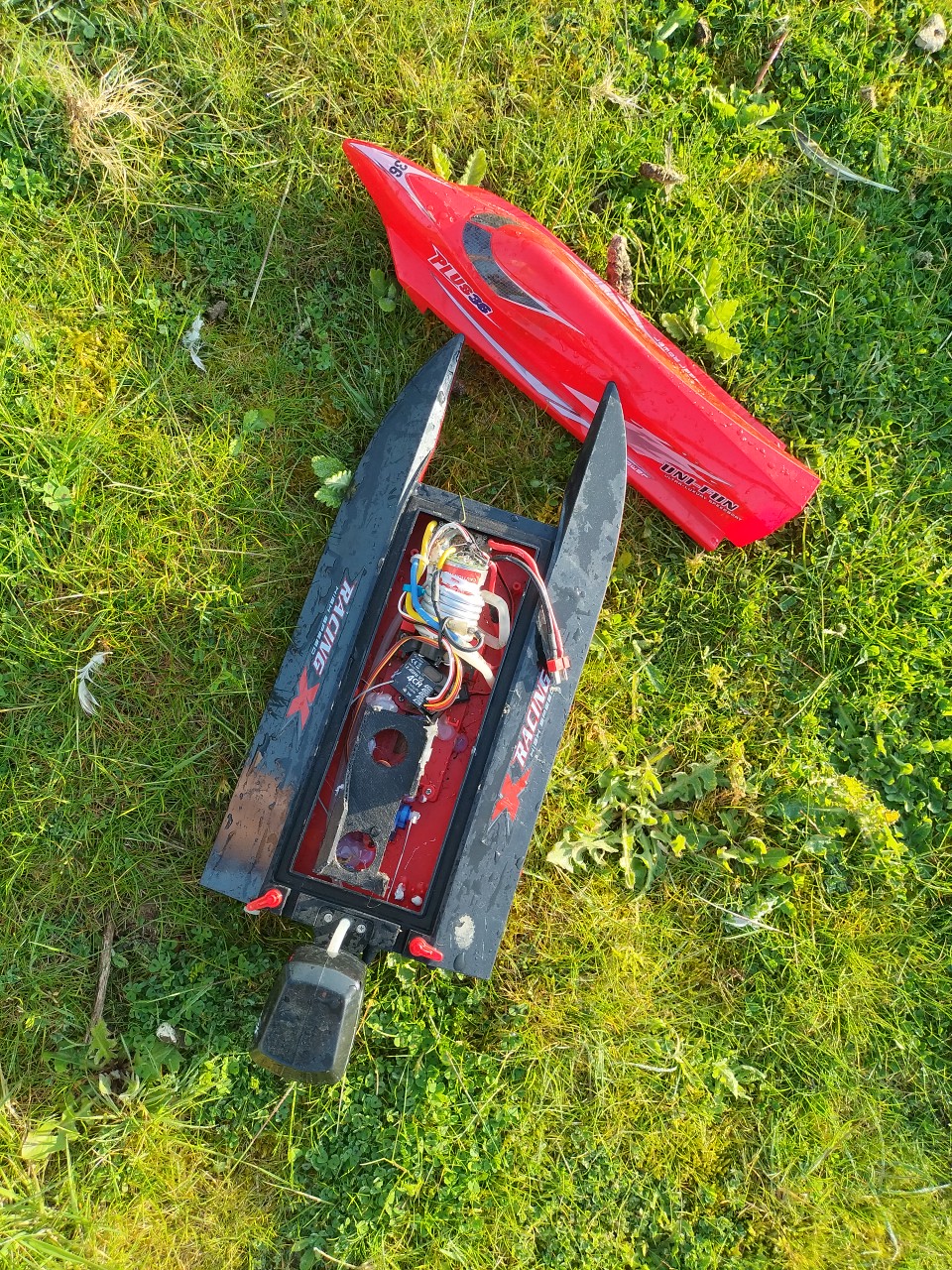

When it comes to water resistance, the answer isn’t so much about brushed vs brushless, but about design and construction. That said, in many practical cases, brushed motors are often more tolerant of water than typical brushless motors. Here’s why:
1. Simpler construction
Brushed motors are basically a metal can, a set of brushes, and a wound armature. There’s nothing fancy to fry if a little water gets in. The brushes and commutator can actually tolerate some moisture without immediate damage, especially if you dry them quickly after a run.2. No sensitive electronics inside the motor
Brushless motors rely on electronic controllers and sensors to run. If water seeps into the motor bell or the wires, it can short the windings or stress the ESC. Even “waterproof” brushless motors often need proper sealing to survive prolonged exposure. Brushed 380s or 540s, by contrast, don’t have built-in electronics—they’re just coils and magnets—so a splash or a damp run is less likely to kill them.3. Forgiving operation
Brushed motors can keep running with minor corrosion or debris inside, whereas a brushless motor can easily stall if dirt or water interferes with the windings or hall sensors. That makes them more practical for casual fun around ponds, puddles, or damp tracks.That said…
Neither motor type is truly waterproof without proper sealing. Prolonged immersion or neglect will corrode brushes, windings, or bearings in a brushed motor, just as it will damage a brushless motor. But for hobbyists who like to run RC cars or boats in damp conditions, a brushed motor is generally more tolerant and easier to recover after a wet session.
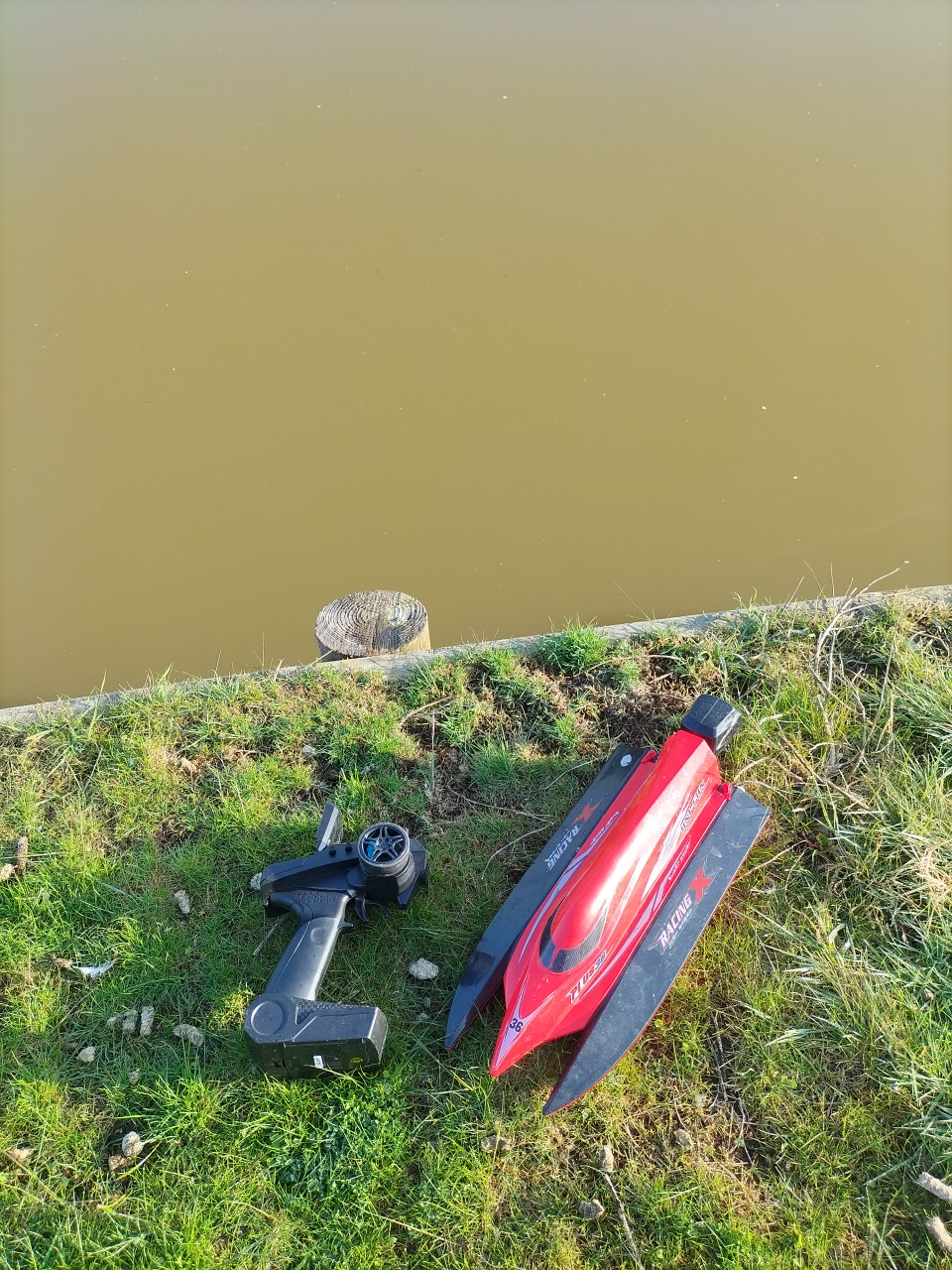
Brushed RC boating on a river


Total Views: 346 ,


